Guide
Postpartum Hair Loss: Why It Happens and When It Stops (2026 Guide)
By Dr. Michelle Wang, OB-GYN · Updated 2026-03-10
Up to 50% of new mothers experience significant hair loss in the months after giving birth. If you're watching clumps of hair fall in the shower and wondering when it will stop — this guide is for you. An OB-GYN explains the science behind postpartum hair loss, what's normal, what's not, and the evidence-based strategies that support healthy hair regrowth.
By Dr. Michelle Wang, OB-GYN & Postpartum Recovery Specialist | Last updated March 2026
Table of Contents
- What Is Postpartum Hair Loss?
- The Science: Why Pregnancy Protects Your Hair
- The Hair Growth Cycle Explained
- When Does Postpartum Hair Loss Start and Peak?
- When Does Postpartum Hair Loss Stop?
- What to Eat to Support Hair Regrowth
- Best Treatments and Supplements
- Hair Care Tips During Postpartum Shedding
- When Postpartum Hair Loss Is NOT Normal
- Best Postpartum Hair Loss Products
- Frequently Asked Questions
- Sources & Methodology
What Is Postpartum Hair Loss?
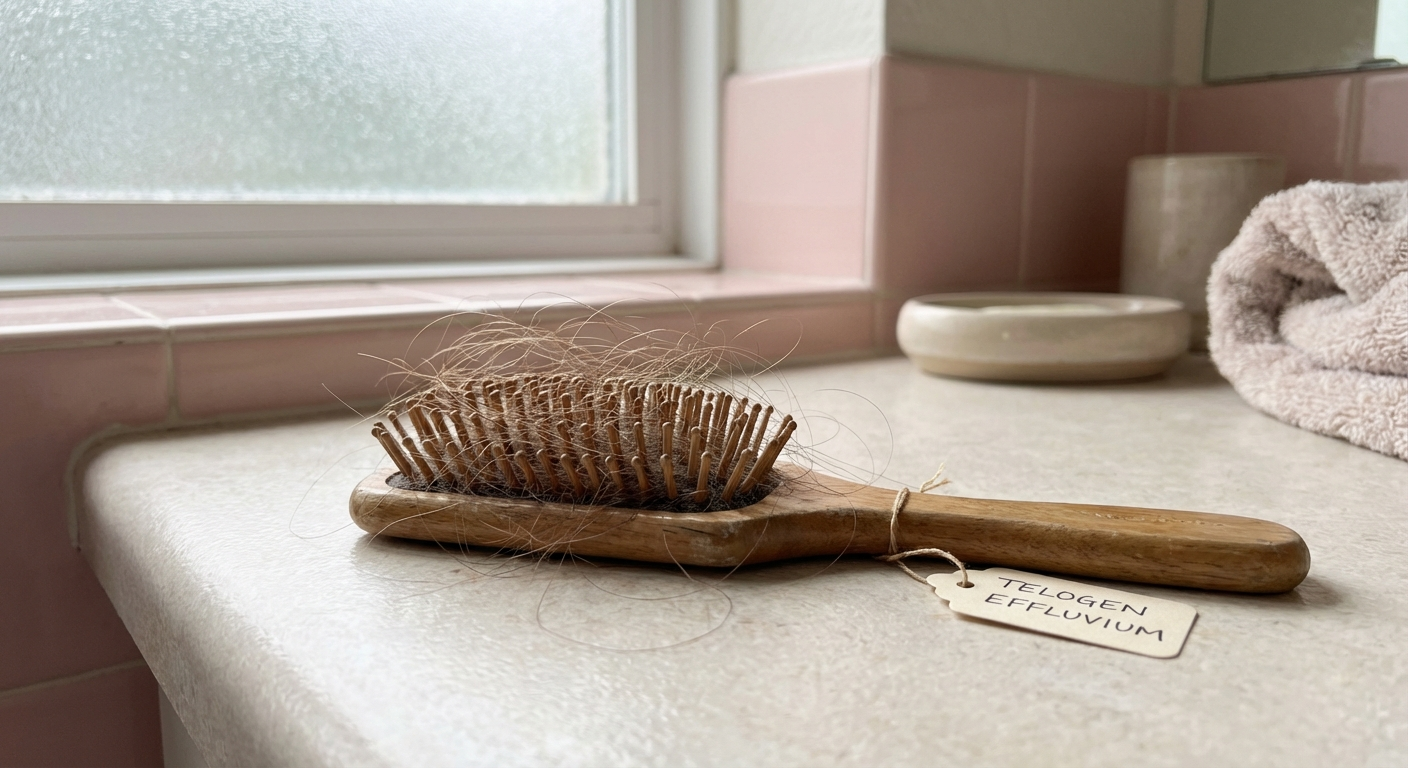
The medical term is telogen effluvium — a temporary form of diffuse hair shedding triggered by a physiological stressor. Childbirth is one of the most potent triggers for telogen effluvium because of the dramatic hormonal shift that occurs when the placenta is delivered.
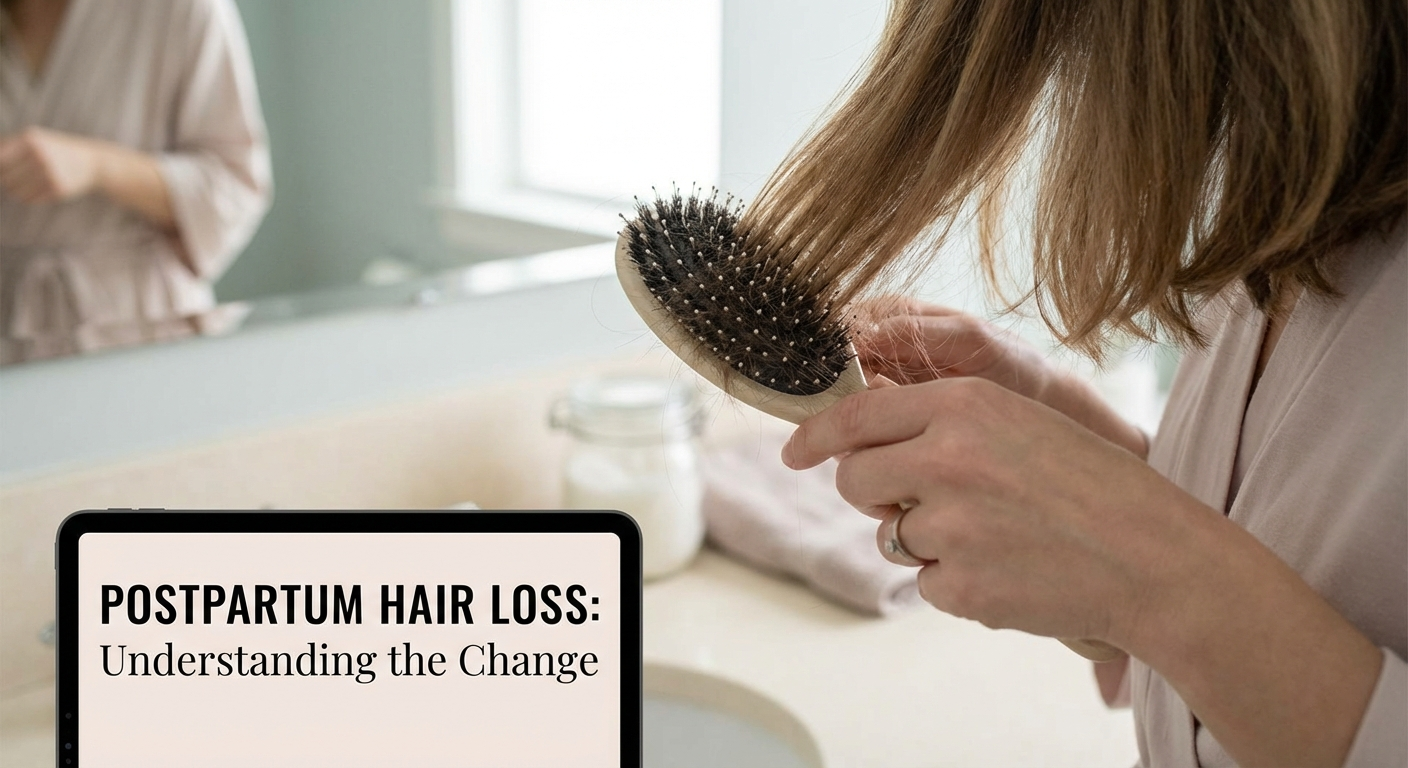
In practical terms: you may notice hair coming out in larger-than-usual quantities in the shower, on your brush, on your pillow, and around the house. You might see thinning at the temples or a more visible scalp when your hair is pulled back. These are common, expected experiences.
What postpartum hair loss is not:
- A sign that something is medically wrong (in most cases)
- Permanent hair loss
- Alopecia areata (patchy circular hair loss — a different, immune-mediated condition)
- A nutritional deficiency you caused by breastfeeding
The Science: Why Pregnancy Protects Your Hair
To understand why hair falls out after pregnancy, you need to understand what pregnancy does to hair first.
Estrogen's Role in Hair Retention
During pregnancy, elevated estrogen levels (specifically estradiol) keep hair follicles locked in the anagen phase — the active growth phase of the hair cycle. Hair that would normally shed every 2-5 years simply stays put.
The result: pregnant women typically notice noticeably thicker, fuller hair, especially in the second and third trimesters. This isn't new hair growing — it's existing hair being retained longer than usual.
The Post-Delivery Hormonal Crash
When the placenta is delivered, estrogen and progesterone levels fall precipitously — dropping by approximately 90% within 24 hours of delivery. This hormonal free-fall signals to hair follicles that it's time to transition out of the growth phase.
Here's the critical point: because pregnancy held so many follicles in the growth phase simultaneously, they all make this transition at roughly the same time. The result is a synchronized wave of shedding — telogen effluvium — that can seem alarming in its scale.
The Hair Growth Cycle Explained
Understanding the hair growth cycle demystifies what you're experiencing.
The Four Phases of Hair Growth
Anagen (Growth Phase) — 85-90% of hair at any time The active growth phase, lasting 2-7 years. Hair grows approximately 1cm per month during this phase. Pregnancy keeps an unusually high percentage of follicles in anagen.
Catagen (Transition Phase) — 1-3% of hair A brief 2-3 week transition phase where the hair follicle shrinks and detaches from its blood supply. Growth stops.
Telogen (Resting Phase) — 10-15% of hair normally The resting phase, lasting approximately 3 months. The hair is still in the follicle but no longer growing. This is the phase that postpartum telogen effluvium causes an abnormally high percentage of hairs to enter simultaneously.
Exogen (Shedding Phase) The hair is released and shed. A new anagen hair begins growing in the same follicle. The cycle starts again.
How This Creates Postpartum Hair Loss
In normal circumstances, hairs cycle through these phases at different times, so you shed 50-100 hairs per day without noticeable thinning. After pregnancy, a much larger proportion of hairs enter telogen simultaneously. When they shed 3 months later (telogen phase duration), the volume of daily shedding can reach 200-400 hairs — three to four times the normal rate.
When Does Postpartum Hair Loss Start and Peak?
Typical Timeline
Most women first notice increased shedding around 2-4 months postpartum. This timing reflects the 3-month telogen phase — hair that entered rest shortly after delivery begins to shed 3 months later.
Shedding typically peaks around 4 months postpartum and then gradually decreases. The peak period often coincides with a time when many mothers are already sleep-deprived, adjusting to their new identity, and dealing with the full weight of early parenthood — which is why the hair loss can feel particularly distressing even though it is physiologically normal.
When Does Postpartum Hair Loss Stop?
The vast majority of women see postpartum hair loss resolve naturally:
- By 6 months: Shedding typically slows significantly for most women
- By 9 months: Hair density begins to visibly improve
- By 12 months: Most women report hair thickness returning to pre-pregnancy levels
Hair regrowth may be visible as short, fine hairs along the hairline — sometimes called "baby hairs." These are a positive sign that follicles are actively entering a new anagen phase.
What to Eat to Support Hair Regrowth
Nutrition plays a crucial supporting role in hair regrowth, though it cannot stop telogen effluvium while it's running its hormonal course.
Protein: The Foundation of Hair Structure
Hair is made of keratin — a protein. Inadequate protein intake directly impairs hair regrowth. Aim for at least 70-80g of protein per day, especially if breastfeeding (which increases protein requirements further).
Best protein sources for postpartum hair health:
- Eggs (also contain biotin and iron)
- Wild-caught salmon and sardines (omega-3s support scalp health)
- Legumes and lentils (protein + iron + zinc)
- Greek yogurt and dairy
- Poultry and lean meats
Iron: Critical for Hair Follicle Function
Iron deficiency is the most common nutritional contributor to prolonged telogen effluvium in postpartum women. Iron is lost in significant quantities during delivery, and many women enter pregnancy already iron-deficient. Have your ferritin levels checked at your postpartum appointment.
Foods high in iron:
- Red meat and organ meats (liver is one of the richest sources)
- Fortified cereals
- Dark leafy greens (spinach, kale)
- Legumes
- Dried fruits
Pair iron-rich plant foods with vitamin C (citrus, bell peppers, strawberries) to enhance absorption.
Zinc, Biotin, and Other Key Micronutrients
Zinc: Required for DNA synthesis in hair follicle cells. Deficiency impairs hair growth. Found in oysters, red meat, pumpkin seeds, and fortified foods.
Biotin (Vitamin B7): Often marketed heavily for hair growth. Evidence is mixed — biotin supplementation helps primarily in people who are actually deficient. However, pregnancy and breastfeeding can deplete biotin, making supplementation reasonable in the postpartum period.
Vitamin D: A growing body of research links vitamin D deficiency with various forms of hair loss. Many women are deficient, especially in northern climates. Have your levels checked.
Best Treatments and Supplements
What the Evidence Actually Supports
I want to be direct as an OB-GYN: no treatment stops postpartum telogen effluvium while it's running its hormonal course. What supplements and treatments do is:
- Correct nutritional deficiencies that would prolong or worsen hair loss
- Support optimal conditions for regrowth once shedding resolves
- Reduce the perception of thinning through volumizing products
Scalp Massage
Regular scalp massage has genuine evidence behind it. A 2019 study in ePlasty found that standardized scalp massage (4 minutes daily for 24 weeks) significantly increased hair thickness. It works by increasing blood flow to hair follicles, delivering more nutrients and growth factors.
Minoxidil (Rogaine)
Topical minoxidil (2%) is FDA-approved for female hair loss and extends the anagen phase of hair growth. It is not typically first-line for postpartum telogen effluvium (which resolves naturally) but may be considered if shedding persists beyond 12 months. Discuss with your dermatologist, especially if breastfeeding.
Hair Care Tips During Postpartum Shedding
These practical strategies minimize visible thinning while your hair regrows:
What to Avoid
- Tight hairstyles: Ponytails, buns, braids, and extensions that pull on the scalp cause traction alopecia — a completely separate type of hair loss that compounds the problem
- Heat styling: Blow dryers, flat irons, and curling irons weaken hair strands, increasing breakage on top of shedding
- Harsh chemical treatments: Bleach, permanent colour, and perms stress fragile postpartum hair further
- Aggressive brushing: Brush gently with a wide-tooth comb, especially on wet hair
What to Do
- Use volumizing shampoo and conditioner: Formulas that add body make thinner hair look fuller
- Try a shorter hairstyle: Volume is easier to maintain with shorter hair, and less weight on the hair reduces breakage
- Dry shampoo between washes: Less frequent washing means less mechanical shedding during washing
- Embrace the texture: Many women find their postpartum hair has different texture than before — sometimes with more wave or curl
When Postpartum Hair Loss Is NOT Normal
See your doctor promptly if:
- Hair loss persists beyond 12 months without improvement
- Bald patches appear (circular or irregular — this suggests alopecia areata or another condition)
- Scalp is itchy, scaly, or inflamed (could indicate scalp conditions like seborrheic dermatitis or psoriasis)
- You experience other symptoms alongside hair loss: fatigue, cold intolerance, unexplained weight changes, dry skin, constipation (thyroid function should be checked)
- Hair loss is severe enough to cause significant distress at any point — your wellbeing matters, and a dermatologist or OB-GYN can provide reassurance and support
Thyroid Dysfunction: The Most Common Medical Cause
Postpartum thyroiditis affects 5-10% of women after delivery. Both hypothyroidism and hyperthyroidism can cause hair loss, and postpartum thyroid dysfunction is frequently missed because its symptoms (fatigue, mood changes, hair loss) overlap with normal postpartum experiences. A simple TSH blood test rules this out.
Best Postpartum Hair Loss Products
[Product cards maintained as in original]
Frequently Asked Questions
Does breastfeeding make postpartum hair loss worse?
The evidence on breastfeeding and hair loss is mixed. Some research suggests breastfeeding prolongs the hormonal shifts that contribute to telogen effluvium. However, breastfeeding provides significant nutritional demands that may contribute to deficiencies if diet is inadequate. Breastfeeding does not cause hair loss — the underlying hormonal shift does.
Can stress make postpartum hair loss worse?
Yes. Chronic psychological stress is an independent trigger for telogen effluvium. The postpartum period involves sleep deprivation, identity shifts, and significant emotional demands that can amplify shedding. Stress management — including adequate rest, social support, and when needed, mental health support — benefits hair health indirectly.
Will my hair ever be exactly the same as before pregnancy?
Most women find their hair returns to its pre-pregnancy density within 12 months. However, some women notice permanent changes in texture, curl pattern, or fine hair distribution. These changes are not harmful but reflect the lasting impact of pregnancy-related hormonal shifts on hair follicle programming.
Sources & Methodology
This article was written by Dr. Michelle Wang, MD, OB-GYN, board-certified with over 14 years of clinical practice specializing in postpartum recovery. All medical information reflects current evidence-based guidelines as of March 2026.
Sources consulted:
- Grover, C. and Khurana, A. "Telogen Effluvium." Indian Journal of Dermatology, Venereology and Leprology, 2013.
- Lynfield, Y.L. "Effect of Pregnancy on the Human Hair Cycle." Journal of Investigative Dermatology, 1960.
- Koyama, T. et al. "Standardized Scalp Massage Results in Increased Hair Thickness." ePlasty, 2019.
- American Academy of Dermatology. "Hair Loss in New Moms." AAD.org, 2024.
- National Institutes of Health, MedlinePlus. "Hair Loss — Postpartum." medlineplus.gov, 2024.
Affiliate disclosure: This article contains Amazon affiliate links. If you purchase through these links, Postpartum Spot earns a small commission at no extra cost to you.
Visual Guide Gallery