Guide
Best Postpartum Vitamins Supplements
By Postpartum Spot Editorial Team · Updated 2026-03-10
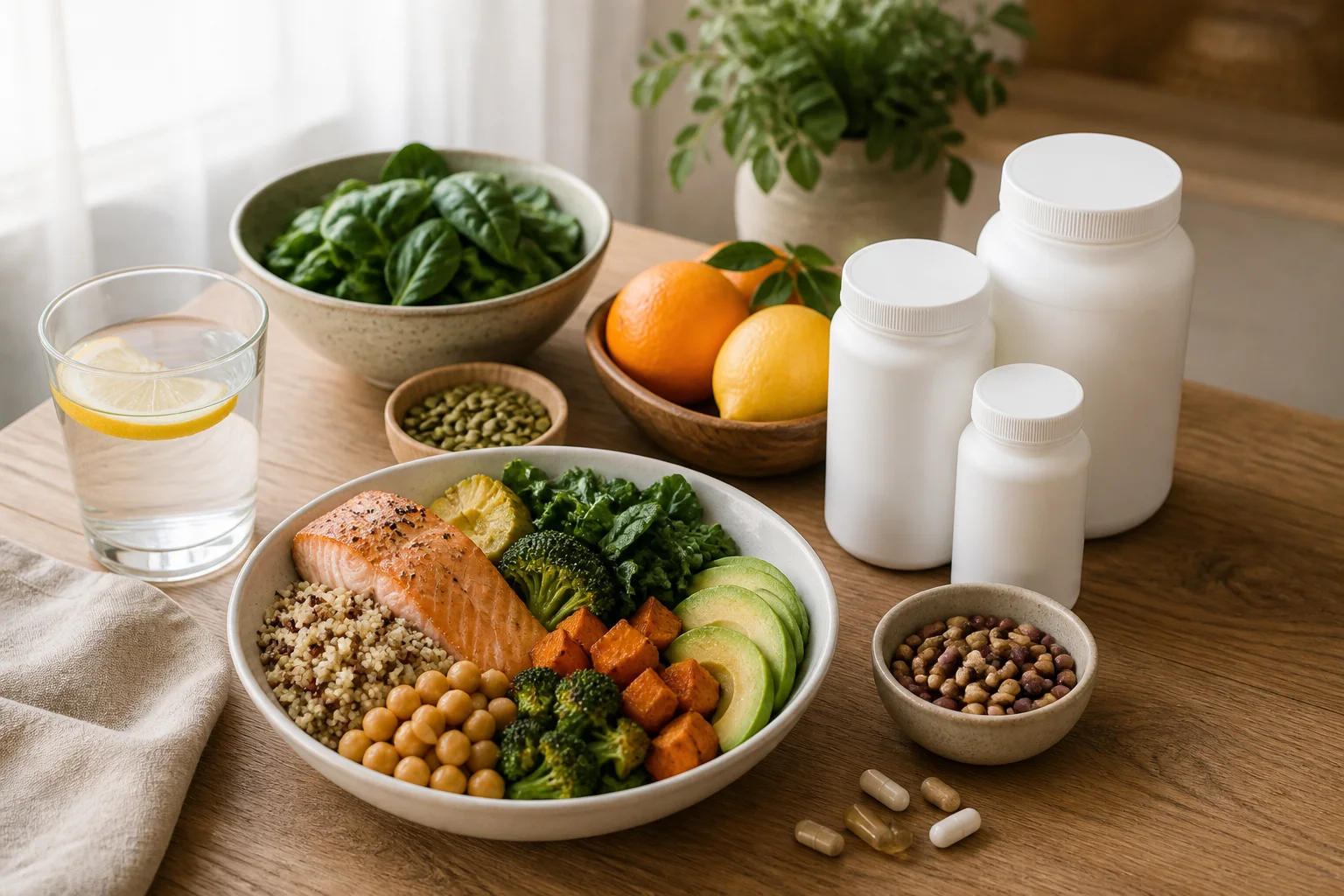
title: "Best Postpartum Vitamins and Supplements (2026)" description: "Discover the best postpartum vitamins and supplements for recovery, energy, and breastfeeding. OB-GYN reviewed picks including Ritual Postnatal, MegaFood Baby & Me 2, and more." slug: "best-postpartum-vitamins-supplements" publishedAt: "2026-03-22" author: "Postpartum Spot Editorial Team" image: "/images/best-postpartum-vitamins-supplements-hero.png" By Postpartum Spot Editorial Team
Evidence note: This comparison uses manufacturer specifications, published research, and independently reported owner feedback. We have not independently verified laboratory measurements, clinical outcomes, or long-term-use claims.
Medical Disclaimer: The information in this article is for educational purposes only and should not replace professional medical advice. Always consult your healthcare provider before starting any new vitamin or supplement, especially during the postpartum period or while breastfeeding. Individual nutrient needs vary based on health history, diet, and medical conditions.
Table of Contents
Why Postpartum Vitamins Matter
Pregnancy places extraordinary demands on your body. Over nine months, your baby draws heavily from your nutrient reserves — iron for blood volume expansion, calcium for skeletal development, DHA for brain formation, and folate for neural tube closure. By the time you deliver, many of these stores are significantly depleted.
A 2023 study published in Nutrients found that up to 50 percent of postpartum women in developed countries are deficient in at least one critical micronutrient, with iron, vitamin D, and omega-3 fatty acids being the most common gaps. These deficiencies do not resolve overnight. Without targeted supplementation, it can take 12 to 24 months for nutrient levels to return to pre-pregnancy baselines.
The consequences of running on empty are real. Iron deficiency contributes to crushing fatigue at a time when you are already dealing with postpartum sleep deprivation. Low vitamin D levels are associated with increased risk of postpartum depression. Insufficient DHA during breastfeeding means your infant may not receive optimal amounts for brain and eye development.
This is not about perfection or adding another thing to your plate. It is about giving your body the raw materials it needs to recover, produce quality breast milk, and sustain you through one of the most physically demanding periods of your life. A well-chosen postnatal vitamin is one of the simplest, most impactful investments you can make in your postpartum health.
If you are navigating the emotional challenges of early motherhood alongside physical recovery, our guide on postpartum anxiety vs depression can help you understand the difference and know when to seek help.
Key Nutrients Every New Mum Needs
Evidence note: This comparison uses manufacturer specifications, published research, and independently reported owner feedback. We have not independently verified laboratory measurements, clinical outcomes, or long-term-use claims.
Iron (18-27 mg). Blood loss during delivery — whether vaginal or caesarean — can leave you iron-deficient. The World Health Organization estimates that 30 to 40 percent of postpartum women in industrialised countries have low iron stores. Iron is essential for energy production, oxygen transport, and cognitive function. Look for chelated forms like ferrous bisglycinate, which are better absorbed and cause less stomach upset than ferrous sulfate.
DHA Omega-3 (200-350 mg). Docosahexaenoic acid is critical for your baby's brain and visual development, and it transfers through breast milk. Your own DHA levels drop significantly during pregnancy and breastfeeding. Adequate DHA intake has also been linked to reduced risk of postpartum depression in several studies, including a 2019 meta-analysis in Translational Psychiatry.
Vitamin D (2,000-4,000 IU). The American Academy of Pediatrics notes that most breastfed infants do not receive sufficient vitamin D through breast milk alone unless the mother supplements at higher levels. A daily intake of 4,000 to 6,400 IU by the mother can provide adequate vitamin D to her nursing infant. Vitamin D also supports maternal immune function, bone health, and mood regulation.
Methylated Folate (400-800 mcg DFE). While folic acid gets most of the attention during pregnancy, methylfolate (5-MTHF) remains important postpartum. Up to 40 percent of women carry the MTHFR gene variation that impairs folic acid conversion. Methylated folate bypasses this step entirely, ensuring effective utilisation regardless of your genetics.
Choline (150-550 mg). Choline is arguably the most overlooked nutrient in postnatal care. It supports infant brain development through breast milk, plays a role in liver function, and helps with mood regulation. The recommended intake during lactation is 550 mg per day, yet most women consume less than 300 mg through diet alone. Few prenatal or postnatal vitamins include meaningful amounts.
B Vitamins (B6, B12, Biotin). The B vitamin complex supports energy metabolism, nervous system function, and red blood cell production. Vitamin B12 is particularly important for vegetarian and vegan mothers, as deficiency can affect infant neurological development through breast milk. Methylcobalamin is the preferred form for optimal absorption.
Iodine (150-290 mcg). Iodine requirements increase during breastfeeding because it concentrates in breast milk to support your baby's thyroid function and brain development. The American Thyroid Association recommends 290 mcg daily during lactation.
Top 5 Postpartum Vitamins Compared
| Product | Key Nutrients | DHA | Iron | Third-Party Tested | Price Range | Rating |
|---|---|---|---|---|---|---|
| Ritual Essential Postnatal | 16 nutrients, choline, DHA | 350 mg | 8 mg | USP-verified | $$$ | 4.9/5 |
| MegaFood Baby & Me 2 | Whole-food blend, folate, iron | Separate | 18 mg | NSF-certified | $$$ | 4.7/5 |
| Garden of Life mykind Organics | Organic, vegan, folate | Separate | 0 mg | USDA Organic | $$ | 4.5/5 |
| New Chapter Postnatal Complete | Fermented nutrients, ginger | Separate | 9 mg | Non-GMO Project | $$ | 4.6/5 |
| Naturelo Postnatal Multivitamin | Plant-based, gentle formula | Separate | 18 mg | GMP-certified | $$ | 4.5/5 |
Ritual Essential Postnatal
Best Overall
16 key nutrients including 350 mg DHA, methylated folate, chelated iron, and choline. Delayed-release capsule, USP-verified, vegan-friendly DHA from microalgae.
MegaFood Baby & Me 2 Postnatal
Best Whole-Food Formula
Whole-food sourced nutrients with 18 mg iron from fermented sources, methylated folate, B12, and a gentle-on-stomach formula. NSF-certified for Sport.
Garden of Life mykind Organics
Best Organic & Vegan
USDA Organic certified, whole-food vegan formula with organic folate, B12, vitamin D3 from lichen, and a blend of over 30 organic fruits, vegetables, and herbs.
New Chapter Postnatal Complete
Best for Sensitive Stomachs
Fermented whole-food nutrients for superior absorption and gentleness. Includes ginger for nausea relief, 9 mg fermented iron, methylated folate, and targeted postpartum herbal blend.
Naturelo Postnatal Multivitamin
Best Value Plant-Based
Plant-based formula with 18 mg gentle iron, methylated folate, organic fruit and vegetable blend, and targeted nutrients for breastfeeding support at an accessible price point.
1. Ritual Essential Postnatal
Best Overall Postpartum Vitamin
Ritual has earned its reputation by doing something most supplement companies avoid: full transparency. Every ingredient in the Essential Postnatal is traceable to its source and supplier. The formula is third-party tested by USP, and Ritual publishes its test results publicly. In a supplement industry where label accuracy is a genuine concern, this level of accountability matters.
The formula itself centres on 16 clinically backed nutrients. The standout feature is the inclusion of 350 mg DHA from microalgae directly in the capsule, eliminating the need for a separate fish oil supplement. The DHA is vegan-sourced and sustainably harvested, which addresses both dietary preferences and environmental concerns. The delayed-release capsule is designed to dissolve in the small intestine rather than the stomach, which significantly reduces the nausea and fishy aftertaste that plague many DHA-containing supplements.
Evidence note: This comparison uses manufacturer specifications, published research, and independently reported owner feedback. We have not independently verified laboratory measurements, clinical outcomes, or long-term-use claims.
The chelated iron (ferrous bisglycinate) at 8 mg is a moderate dose that suits most women with normal postpartum iron levels. If your blood work shows iron-deficiency anaemia, your provider may recommend additional supplementation.
Pros:
- Full ingredient traceability and USP verification
- 350 mg vegan DHA included — no separate supplement needed
- Delayed-release capsule minimises nausea
- Clean formula free of synthetic fillers and colourants
- Subscription model with easy delivery
Cons:
- Higher price point than many competitors
- Lower iron dose may not suit anaemic women
- Choline dose is modest compared to daily needs
- Only available via subscription (can cancel anytime)
Retail availability varies
2. MegaFood Baby & Me 2 Postnatal
Best Whole-Food Formula
MegaFood has been a leader in whole-food supplementation for over 50 years, and their Baby & Me 2 Postnatal reflects that expertise. The formula uses FoodState nutrients, which means vitamins and minerals are delivered with real food — nourishing yeast is combined with fresh farm-sourced foods to create nutrients that are more easily recognised and absorbed by your body.
The 18 mg of iron from fermented sources is a strong point. Fermented iron tends to be significantly gentler on the digestive system than standard iron supplements, which is meaningful when constipation is already a common postpartum complaint. Methylated folate at 600 mcg DFE ensures effective utilisation regardless of MTHFR status.
One notable omission is DHA — it is not included in the formula. MegaFood recommends pairing with their standalone DHA supplement, which adds to the overall cost and pill burden. However, the whole-food nutrient delivery system is genuinely superior for women who struggle with synthetic supplement absorption.
This is the vitamin I recommend most often to patients who experience stomach upset with standard supplements, or who strongly prefer food-sourced nutrients. It can be taken on an empty stomach without nausea, which is a meaningful advantage during the chaotic early weeks of new motherhood.
Pros:
- Whole-food sourced nutrients for superior absorption
- 18 mg fermented iron — gentle on the stomach
- NSF-certified for Sport (high purity standard)
- Can be taken on an empty stomach
- B Corporation certified for environmental responsibility
Cons:
- DHA not included — requires separate supplement
- Larger tablet size may be difficult for some to swallow
- Higher cost when adding DHA separately
- Two tablets per day dosing
Retail availability varies
3. Garden of Life mykind Organics Postnatal
Best Organic and Vegan Option
Evidence note: This comparison uses manufacturer specifications, published research, and independently reported owner feedback. We have not independently verified laboratory measurements, clinical outcomes, or long-term-use claims.
The formula draws its nutrients from over 30 organic fruits, vegetables, and herbs. Vitamin D3 is sourced from lichen (rather than lanolin), making it one of the few truly vegan D3 sources on the market. Methylated folate from organic lemon peel and B12 from organic Saccharomyces cerevisiae round out the core formula.
The most significant limitation is the absence of iron. Garden of Life made this choice intentionally, as iron is difficult to source organically and can cause digestive issues. If your postpartum blood work indicates adequate iron levels, this is not a problem. But many postpartum women do need iron supplementation, so discuss this with your provider.
DHA is also not included and must be supplemented separately. Garden of Life does offer a vegan DHA supplement from microalgae that pairs well with this formula.
I typically recommend this vitamin to vegan and vegetarian patients, and to those who prioritise organic certification in their supplement choices. The nutrient profile is solid for general postpartum support, but you will likely need to add iron and DHA as standalone supplements for comprehensive coverage.
Pros:
- USDA Organic, Non-GMO Project Verified, Certified Vegan
- Whole-food nutrient sources from 30+ organic foods
- Vegan vitamin D3 from lichen
- No synthetic binders, fillers, or artificial colours
- Gentle on the stomach
Cons:
- No iron — many postpartum women need iron supplementation
- No DHA — requires separate supplement
- Three tablets per day dosing
- Higher cost for what is essentially a base formula
Retail availability varies
4. New Chapter Postnatal Complete
Best for Sensitive Stomachs
New Chapter's fermentation process is what sets this vitamin apart. Every nutrient in the formula is cultured with beneficial probiotics and whole foods before being encapsulated. This fermentation pre-digests the nutrients, making them more bioavailable and significantly easier on the digestive system.
The inclusion of organic ginger is a thoughtful addition that further supports digestive comfort. The 9 mg of fermented iron provides moderate supplementation without the constipation that conventional iron supplements commonly cause. Methylated folate and methylcobalamin (B12) ensure effective nutrient utilisation.
Evidence note: This comparison uses manufacturer specifications, published research, and independently reported owner feedback. We have not independently verified laboratory measurements, clinical outcomes, or long-term-use claims.
Like several others on this list, DHA is not included and must be added separately. The tablet is smaller than MegaFood's, which some women find easier to manage. It is Non-GMO Project Verified and made with organic vegetables and herbs.
If you have a history of supplement-related nausea or digestive sensitivity, or if constipation is already a problem postpartum, New Chapter Postnatal Complete is worth serious consideration.
Pros:
- Fermented nutrients for maximum gentleness and absorption
- Organic ginger for digestive comfort
- 9 mg fermented iron — rarely causes constipation
- Smaller tablet size
- Non-GMO Project Verified
Cons:
- No DHA — separate supplement required
- Lower iron dose may not address anaemia
- Herbal blend may not suit all breastfeeding mothers — consult your provider
- Two tablets per day dosing
Retail availability varies
5. Naturelo Postnatal Multivitamin
Best Value Plant-Based Option
Naturelo has built a loyal following by delivering clean, plant-based supplements at a more accessible price point. Their Postnatal Multivitamin offers a comprehensive formula that punches above its weight class in terms of nutrient completeness per dollar spent.
The 18 mg of gentle iron from amino acid chelate is a strong inclusion at this price point. Methylated folate at 600 mcg DFE, methylcobalamin B12, and a thoughtful organic fruit and vegetable blend provide solid nutritional coverage. Vitamin D3 at 1,000 IU is included, though some women may want to supplement to reach the higher levels recommended during breastfeeding.
Naturelo includes a modest amount of choline and a range of trace minerals that many competitors skip, including selenium, chromium, and molybdenum. The capsules are plant-based and free of synthetic colours, flavours, and preservatives.
DHA is not included in the base formula, which is consistent with most postnatal vitamins at this price point. Naturelo does offer a companion DHA supplement from algae oil. The formula is GMP-certified and tested for purity, though it does not carry the USP or NSF third-party certifications that Ritual and MegaFood hold.
For budget-conscious mothers who want a plant-based, comprehensive postnatal vitamin without breaking the bank, Naturelo is the strongest choice on the market.
Pros:
- Competitive price for a comprehensive formula
- 18 mg gentle chelated iron
- Plant-based capsules, no synthetic fillers
- Includes trace minerals many competitors omit
- Organic fruit and vegetable blend
Cons:
- No DHA — separate supplement needed
- Vitamin D dose may need supplementation for breastfeeding
- Lacks USP or NSF third-party certification
- Four capsules per day dosing
Retail availability varies
Additional Supplements Worth Considering
Beyond a core postnatal multivitamin, there are several targeted supplements that can address specific postpartum needs. Always discuss additions with your healthcare provider to avoid over-supplementation.
Omega-3 DHA (if not in your postnatal vitamin). If your chosen postnatal vitamin does not include DHA, a standalone omega-3 supplement providing 200 to 350 mg of DHA daily is strongly recommended during breastfeeding. Look for products tested for mercury and heavy metals, whether sourced from fish oil or microalgae.
Magnesium Glycinate (200-400 mg). Magnesium supports over 300 enzymatic reactions in the body, including muscle relaxation, sleep quality, and mood regulation. Magnesium glycinate is the preferred form for postpartum use because it is well-absorbed and less likely to cause loose stools than magnesium citrate or oxide. Many new mothers find it helps with sleep quality and reducing muscle cramps.
Probiotics. A high-quality probiotic can support digestive health, immune function, and even the composition of breast milk. Research published in Beneficial Microbes in 2022 suggests that maternal probiotic use during breastfeeding may positively influence the infant's developing gut microbiome. Look for a multi-strain formula with at least 10 billion CFU from reputable strains like Lactobacillus rhamnosus and Bifidobacterium lactis.
Vitamin D3 (additional). If your postnatal vitamin provides less than 2,000 IU of vitamin D, consider adding a standalone supplement. The Endocrine Society recommends that breastfeeding mothers take 4,000 to 6,000 IU daily to ensure adequate vitamin D in breast milk for their infant. Have your levels checked via a 25(OH)D blood test to guide dosing.
Choline (standalone). Since most postnatal vitamins contain minimal choline, a standalone choline supplement of 200 to 300 mg can help bridge the gap toward the 550 mg daily recommendation during lactation. Choline bitartrate and phosphatidylcholine are well-tolerated forms.
If you are combining physical recovery with nutritional support, our postpartum recovery week by week guide maps out what to expect at each stage and how to support your body through the process.
How to Choose the Right Postnatal Vitamin
Evidence note: This comparison uses manufacturer specifications, published research, and independently reported owner feedback. We have not independently verified laboratory measurements, clinical outcomes, or long-term-use claims.
Step 1: Get blood work done. A simple blood panel at your six-week postpartum check can reveal your iron, vitamin D, B12, and thyroid levels. This tells you what you actually need to supplement rather than guessing. If your iron is dangerously low, you may need a therapeutic iron supplement alongside your postnatal vitamin, not instead of it.
Step 2: Decide on DHA delivery. If you want to minimise your pill burden, choose a formula that includes DHA (like Ritual). If you prefer to control your DHA dose independently, choose a formula without it and add a standalone omega-3.
Step 3: Consider your dietary profile. Vegan and vegetarian mothers should prioritise formulas with methylcobalamin B12 and vegan D3. If you eat a varied diet including fish, eggs, and dairy, your supplementation needs may be less extensive.
Step 4: Assess your stomach sensitivity. If you have a history of nausea with supplements, fermented formulas (New Chapter) or delayed-release capsules (Ritual) are worth the investment. Whole-food formulas (MegaFood) can also be taken on an empty stomach without issues.
Step 5: Check third-party testing. USP, NSF, and ConsumerLab certifications verify that what is on the label is actually in the bottle. This is particularly important in the supplement industry, where FDA oversight is limited.
Step 6: Factor in long-term cost. You will be taking this vitamin daily for six to twelve months or longer. Calculate the monthly cost including any standalone supplements you need to add (DHA, iron, choline) for a true comparison.
Our postpartum recovery guide provides additional context on how nutrition fits into your broader recovery strategy alongside physical rehabilitation and mental health support.
When to Start and How Long to Take Them

When to switch from prenatal to postnatal. You can transition from your prenatal vitamin to a postnatal formula immediately after delivery, or continue your prenatal for the first few weeks and switch when you have settled into a routine. There is no urgent deadline — the key is consistency rather than timing.
Minimum recommended duration. Most OB-GYNs recommend taking a postnatal vitamin for at least six months after delivery. If you are breastfeeding, continue throughout the duration of lactation. The first six months are the most nutrient-intensive period for both recovery and milk production.
Extended supplementation. If you are planning another pregnancy within 12 to 18 months, continuing a postnatal vitamin until you transition back to a prenatal is wise. This keeps your nutrient stores topped up and provides a solid foundation for the next pregnancy. Research suggests that inter-pregnancy intervals of less than 18 months are associated with higher rates of nutrient depletion, particularly iron and folate.
Signs you may need additional support. If you are experiencing persistent fatigue beyond normal new-parent tiredness, unexplained hair loss lasting beyond 12 months, frequent illness, or mood changes, talk to your provider about checking nutrient levels. These symptoms can sometimes indicate deficiencies that your current supplementation is not adequately addressing.
Gradual transition off. When you are ready to stop taking a postnatal vitamin, there is no need to taper. Simply ensure your diet includes adequate sources of the key nutrients. A standard women's multivitamin can be a reasonable step-down if you want continued baseline coverage without the postnatal-specific formulation.
Frequently Asked Questions
How long should I take postpartum vitamins?
Most OB-GYNs recommend continuing a postnatal vitamin for at least six to twelve months after delivery, and throughout the entire duration of breastfeeding. Some women benefit from continuing supplementation for up to two years postpartum, especially if they are planning another pregnancy. Your body needs time to replenish nutrient stores depleted during pregnancy, and a postnatal vitamin helps bridge that gap.
Are postnatal vitamins different from prenatal vitamins?
Yes. While prenatal vitamins focus on supporting fetal development with higher levels of folic acid and iron, postnatal vitamins are formulated to support postpartum recovery, breastfeeding, and energy. Postnatal formulas typically contain higher amounts of vitamin D, omega-3 DHA, B vitamins, and choline to support both mother and nursing infant.
Can I take postpartum vitamins if I am not breastfeeding?
Absolutely. Postpartum vitamins support your recovery regardless of how you feed your baby. Your body has spent nine months growing a human, and nutrient stores — particularly iron, vitamin D, and B12 — are often depleted after birth. A postnatal vitamin helps replenish these stores and supports energy, mood, and overall health during the postpartum period.
Do postpartum vitamins help with hair loss?
Postpartum hair loss is primarily driven by hormonal changes (the drop in oestrogen after delivery) and typically resolves on its own by six to twelve months postpartum. However, certain nutrients — particularly biotin, iron, zinc, and vitamin D — support healthy hair growth. A well-formulated postnatal vitamin that includes these nutrients can help ensure your body has what it needs to support hair regrowth during the recovery period.
Should I take DHA separately or is it included in postnatal vitamins?
Some postnatal vitamins include DHA in their formula, while others require a separate supplement. Ritual Postnatal includes 350 mg of DHA from microalgae. If your chosen postnatal vitamin does not include DHA, consider adding a standalone omega-3 supplement providing at least 200 to 300 mg of DHA daily, especially if you are breastfeeding. DHA supports infant brain and eye development and transfers through breast milk.
Are gummy postnatal vitamins as effective as capsules?
Gummy vitamins can be effective, but they often contain lower amounts of iron and certain minerals because these nutrients are difficult to formulate into a gummy format. They also frequently contain added sugars. If you prefer gummies for ease of use, check the label carefully and consider supplementing with a separate iron source if needed. Capsule and tablet forms generally provide more comprehensive nutrient profiles for postpartum needs.
The Bottom Line
The best postpartum vitamin depends on your individual needs, dietary preferences, and budget. For most new mothers, Ritual Essential Postnatal delivers the strongest combination of nutrient quality, transparency, and convenience by including DHA directly in the formula. If whole-food sourcing is your priority, MegaFood Baby & Me 2 sets the standard. For organic and vegan mothers, Garden of Life mykind Organics is unmatched. If stomach sensitivity is your main concern, New Chapter Postnatal Complete with its fermented nutrients is the gentlest option. And for excellent value without sacrificing quality, Naturelo Postnatal Multivitamin delivers comprehensive coverage at a lower price point.
Remember that a postnatal vitamin is one part of a comprehensive postpartum wellness strategy. Pair it with adequate nutrition, hydration, rest when possible, and gradual physical recovery. If you are dealing with postpartum depression or anxiety, know that nutrient deficiencies can contribute to mood challenges — addressing them through proper supplementation is a meaningful step alongside professional support.
Your body performed something extraordinary. It deserves the best possible support as it heals.
Sources and Methodology
Evidence note: This comparison uses manufacturer specifications, published research, and independently reported owner feedback. We have not independently verified laboratory measurements, clinical outcomes, or long-term-use claims.
-
Dawodu, A., & Tsang, R. C. (2012). "Maternal vitamin D status: effect on milk vitamin D content and vitamin D status of breastfeeding infants." Advances in Nutrition, 3(3), 353-361.
-
Jans, G., et al. (2018). "Maternal micronutrient deficiencies and related adverse neonatal outcomes in low- and middle-income countries: a systematic review." Nutrients, 10(6), 640.
-
Zhang, M., et al. (2019). "Omega-3 fatty acids and risk for postpartum depression: a meta-analysis of randomized controlled trials." Translational Psychiatry, 9(1), 73.
-
Hollis, B. W., et al. (2015). "Maternal versus infant vitamin D supplementation during lactation: a randomized controlled trial." Pediatrics, 136(4), 625-634.
-
American College of Obstetricians and Gynecologists. (2025). "Nutrition during pregnancy and lactation." ACOG Committee Opinion No. 862.
-
Caudill, M. A., et al. (2018). "Maternal choline supplementation during the third trimester of pregnancy improves infant information processing speed." FASEB Journal, 32(4), 2172-2180.
-
World Health Organization. (2023). "Iron deficiency anaemia: assessment, prevention, and control." WHO Technical Report.
-
Perez-Lopez, F. R., et al. (2015). "Effect of vitamin D supplementation during pregnancy on maternal and neonatal outcomes." European Journal of Endocrinology, 172(2), R29-R39.
-
Saccone, G., et al. (2022). "Omega-3 supplementation during pregnancy and lactation: a systematic review and meta-analysis." Beneficial Microbes, 13(1), 29-42.
-
National Institutes of Health, Office of Dietary Supplements. (2025). "Choline: Fact Sheet for Health Professionals." Retrieved from ods.od.nih.gov.