TMJ Guide
Baby Sleep Regression at 4 Months: Causes, Duration and Survival Tips (2026)
The 4-month sleep regression is one of the most significant developmental changes your baby will go through. Learn what's happening, how long it lasts, and how to manage it.
By Rachel, Postpartum Care Specialist · Published 2026-03-10 · Updated 2026-04-21
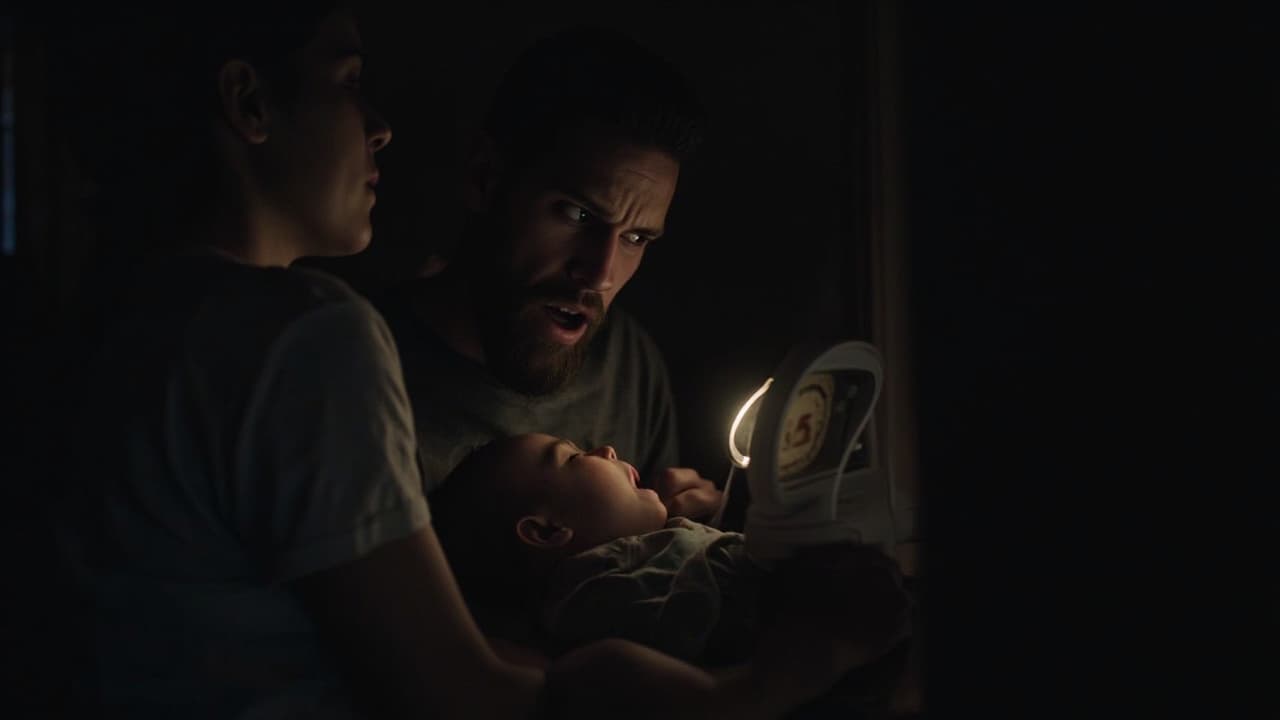
The 4-month sleep regression is perhaps the most significant sleep disruption you will encounter in your baby's first year—and also the most misunderstood. It is not a phase that will simply pass like the occasional rough night. It is a permanent neurological change in how your baby processes sleep, triggered by the maturation of brain systems that were not functional in the newborn period. Understanding what is actually happening transforms how you respond—and can prevent months of sleep struggles that follow in its wake.
Table of Contents
- What Is the 4-Month Sleep Regression—And What Is It Not?
- The Science: What Is Actually Happening in Your Baby's Brain
- Timeline: When It Starts, Peaks, and How Long It Lasts
- What the Regression Looks Like: Symptoms and Behaviors
- Feeding Changes During the Regression
- What You Can Control: Environment and Routine
- Survival Strategies for Exhausted Parents
- Building Better Sleep After the Regression
- When It Is Not the Regression: Other Causes of Sleep Disruption
- Frequently Asked Questions
- Sources & Methodology
What Is the 4-Month Sleep Regression—And What Is It Not?
What It Is
The 4-month sleep regression is a permanent neurological shift in sleep architecture. It is called a "regression" because sleep patterns that seemed established before 4 months suddenly become disrupted—the baby that was sleeping in longer stretches now wakes more frequently. But nothing is actually going backward.
What is really happening is that your baby is developing more mature sleep architecture. This is a positive, forward developmental change. The difficulty is that it temporarily disrupts the existing pattern, and navigating this disruption without creating long-term sleep problems requires understanding what is actually happening.
What It Is Not
The 4-month regression is frequently confused with:
- Growth spurt: Growth spurts cause increased feeding and temporary fussiness, but they resolve in 2 to 4 days. The regression does not resolve in days.
- Teething: Teething can disrupt sleep, but it is typically accompanied by obvious physical signs (drooling, gnawing, gum swelling) and is localized rather than a persistent new pattern.
- Illness: Fever, congestion, or obvious discomfort is not part of the regression.
- A scheduling problem: The regression is not caused by too much or too little sleep during the day—though adjusting schedules helps manage symptoms.
The Science: What Is Actually Happening in Your Baby's Brain
The Development of Circadian Rhythm
Before 4 months, your baby's sleep was not regulated by a circadian rhythm—the internal process that makes you alert during the day and sleepy at night in response to light and darkness. Newborns have essentially no circadian rhythm, which is why they sleep equally during day and night initially.
Around 4 months, the pineal gland begins producing melatonin in response to darkness. The body starts to produce cortisol at appropriate times. The suprachiasmatic nucleus (SCN)—the body's master clock in the hypothalamus—becomes functional. Your baby is now biologically capable of distinguishing day from night for the first time.
This is the neurological foundation that will eventually support consolidated nighttime sleep. But in the short term, it disrupts existing patterns.
The Transition to Mature Sleep Architecture
Newborns sleep in only two stages: active (REM-equivalent) and quiet (deep-equivalent). At around 4 months, the brain begins forming the four-stage cycle that characterizes adult sleep:
- Stage 1: Light sleep (transition)
- Stage 2: Light sleep (true sleep begins)
- Stage 3: Deep, restorative sleep (slow-wave sleep)
- Stage 4: REM (dream sleep)
These stages cycle every 90 to 120 minutes in adults. In the transition to mature architecture, your baby begins cycling through more stages, with more transitions between them. When a sleep cycle ends and the baby moves from Stage 3 back to Stage 1, they may fully wake—something they did not do when their cycles were shorter and simpler.
This explains the sudden increase in night wakings: your baby is now experiencing more frequent sleep cycle transitions, and those transitions now produce full awakenings rather than the gentle, partial arousals of newborn sleep.
Increased Environmental Awareness
Alongside the sleep architecture changes, your baby is also becoming far more aware of their environment at 4 months. They can see clearly across the room. They track movement. They recognize faces and voices. They are beginning to understand object permanence (that things exist even when not visible).
All of this stimulation means your baby is far more easily distracted and aroused by sensory input—a noise, a change in temperature, light seeping into the room, even the sensation of being set down. Settling to sleep requires more than the same old methods because the baby is simply more alert and aware.
Timeline: When It Starts, Peaks, and How Long It Lasts
Onset
The regression typically begins between 3.5 and 4.5 months. Some babies show first signs at 3 months; others not until closer to 5 months. The onset is usually unmistakable—a baby who was sleeping in identifiable patterns suddenly changes dramatically overnight.
Peak
The most acute disruption typically occurs in weeks 2 through 4 after onset. During this period, you may see:
- Frequent night wakings (every 45 to 90 minutes)
- Very short naps (30 to 40 minutes, three naps per day consistently)
- Difficulty falling asleep at bedtime and after night wakings
- Increased crying and resistance to sleep
Resolution
The acute phase typically resolves by 5.5 to 6 months for most babies. After that, sleep begins to reconstitute in a more mature pattern. You may notice the beginning of longer nighttime stretches, more predictable nap patterns, and more consistent bedtime behavior.
This is not a return to the pre-regression pattern—your baby will not go back to sleeping exactly as they did at 2 months. The regression represents a permanent change in sleep architecture. The goal after resolution is a new, age-appropriate pattern that supports both the baby and the family.
What the Regression Looks Like: Symptoms and Behaviors
Night Wakings
Previously "sleeping through" stretches may dissolve entirely. A baby who was sleeping 5 to 6 hours may now wake every 45 to 90 minutes. This is the hallmark of the regression and the most distressing symptom for parents.
Some babies will only partially wake, making sounds and partially moving before settling back—if parents do not intervene. Others fully wake and require re-settling. The variation depends on sleep associations, feeding history, and the baby's temperament.
Nap Disruption
Naps may shorten dramatically—the 90-minute nap may become 30 minutes. Total daytime sleep may decrease from 5 to 6 hours to 3 to 4 hours. Some babies resist naps altogether, fighting sleep until they are overtired and then crashing.
Bedtime Resistance
Bedtime may become extended and contentious. The baby cries intensely when put down, requires multiple interventions to settle, or falls asleep only after a prolonged feeding. This is the combination of increased awareness (the baby notices being put down) and a change in sleep pressure as daytime sleep decreases.
Increased Fussiness
General fussiness and crying often increase—not because of a growth spurt or teething, but because the baby is genuinely more uncomfortable with frequent waking. They are also more tired overall due to fragmented sleep, which makes everything harder.
Feeding Changes During the Regression
Increased Nighttime Feeding
It is common for breastfed babies to increase nighttime feeding frequency during the regression. This can be for comfort (nursing to sleep rather than requiring a new method), for actual caloric need (increased growth demands), or due to reduced daytime intake (distractibility during feeds increases at 4 months, so the baby takes less at each feed and compensates at night).
Before assuming that increased nighttime feeding means low milk supply or the need to supplement, consider whether the pattern is typical regression behavior or a sign of a feeding problem.
Bottle Feeding Considerations
For bottle-fed babies, ensure the last feed is adequate but not excessive (overfeeding can cause digestive discomfort that disrupts sleep). The dream feed (offering a feeding before the parent goes to bed) may or may not help—some babies sleep longer with it; others wake more because of the additional fluid.
Feeding to Sleep
The regression often strengthens the feed-to-sleep association because feeding is the most reliable way to re-settle a baby who is waking frequently. This is not inherently problematic—many babies are fed to sleep at this age. However, if you want to maintain flexibility in sleep associations, you can begin occasionally putting the baby down slightly awake after a feeding rather than fully asleep. This is not sleep training; it is simply building variety in sleep associations.
What You Can Control: Environment and Routine
The Sleep Environment
During the regression, optimizing the sleep environment matters more than ever, because the baby is more easily aroused by external stimuli.
- Darkness: Use blackout curtains (95%+ blackout). Any light, even from a nightlight or the glow of a baby monitor, can prevent the circadian signal from being clear. When you need some light for safe checks, use the dimmest possible setting.
- White noise: Continuous white noise at 50 to 65 dB throughout all sleep periods. This masks environmental sounds and helps the baby remain asleep through sleep cycle transitions.
- Temperature: Keep the room at 68 to 72°F (20 to 22°C). Overheating is both a safety risk and a sleep disruptor.
- Sleep surface: Firm, flat, safety-certified. No soft objects, no loose blankets, no bumpers.
Wake Window Adjustments
During the regression, wake windows often need to be shortened. The increased mental activity and disrupted nighttime sleep mean the baby accumulates sleep debt differently. Common adjustments:
- If the baby is fighting one specific nap: That nap may be unnecessary or the timing wrong. Try moving it earlier or dropping it.
- If the baby is overtired at bedtime: Shorten the last wake window by 15 to 20 minutes.
- If naps are extremely short: The baby may need an earlier morning wake time to accumulate enough sleep pressure before the morning nap.
Bedtime Routine
A consistent, soothing bedtime routine becomes critical during this period—not because it will prevent the regression, but because it provides a reliable, calming sequence that helps the baby transition from wakefulness to sleep. The routine should include:
- A calm, dimly lit sequence of activities (bath, massage, feeding, reading or singing)
- A final feed that is not the ONLY method of falling asleep
- The same sequence in the same order every night
Survival Strategies for Exhausted Parents
Reframe What You Are Experiencing
The 4-month regression is one of the most physiologically demanding periods of new parenthood—not because you are doing something wrong, but because the sleep disruption is biological and is not within your control to end. Understanding this can prevent the common trap of believing you can "fix" it with the right technique.
Use the "3 Rs" Approach
When your baby wakes at night during this regression:
- Reassess: Is the baby actually awake and needing something, or in a partial arousal state that may self-resolve?
- Respond: If the baby is fully awake, respond consistently with whatever method you have chosen. Consistency matters more than the specific method.
- Resume: Return to sleep as quickly as possible—for both the baby and you. Quick responses minimize stimulation and help everyone return to sleep.
Prioritize Your Own Sleep
If you have a partner, tag-team night wakings rather than both being awake for every one. If you are alone, focus on optimizing your own sleep during the day when the baby naps—even if this means letting other things go.
Do Not Introduce New Problems
The regression is not the time to make major changes (switching from bassinet to crib, moving rooms, traveling, or introducing new sleep associations) unless there is a compelling reason. The regression is hard enough without adding environmental disruptions on top of the neurological changes.
Give It Time
Most babies emerge from the acute phase of the regression within 4 to 6 weeks. Every week that passes, the underlying architecture is becoming more solid. What feels impossible at week 2 often resolves by week 5 or 6. Trust the process and provide consistent, loving support.
Building Better Sleep After the Regression
The Window After the Regression
The period between 5 and 6 months is a critical window for sleep development. By this point, your baby's circadian rhythm is more established, sleep cycles are more mature, and the baby's neurological capacity for self-soothing has increased. How you respond to sleep in this window has lasting effects.
At 5 to 6 Months: Considering Sleep Training
The American Academy of Pediatrics and most pediatric sleep specialists recommend waiting until 5 to 6 months before beginning formal sleep training—exactly the period after the regression has stabilized. By this point:
- The baby is physiologically capable of self-soothing
- The sleep architecture change has settled
- The circadian rhythm is functional enough to support schedule-based approaches
If you want to introduce sleep training, this is the appropriate window. Methods vary from gradual (gentle fading, chair method) to more structured (Ferber). Choose a method that aligns with your parenting philosophy and that you can implement consistently.
Continuing Responsive Care
If you prefer not to sleep train, continuing to respond to your baby's night wakings is also a valid approach. There is no evidence that responding to night wakings until an older age causes permanent sleep problems. The key is consistency and a healthy sleep environment—not whether or not you allow some crying.
When It Is Not the Regression: Other Causes of Sleep Disruption
Teething
Teething pain typically causes disrupted sleep for 3 to 5 days, accompanied by obvious signs: drooling, gum swelling, gnawing on objects, and increased fussiness. It is not a persistent new pattern that lasts weeks.
Illness
Fever, congestion, cough, or ear infections are not part of the regression. If your baby has these symptoms, consult your provider. Never assume that disrupted sleep is always the regression—rule out medical causes first.
Overtiredness
If your baby is not getting enough daytime sleep, overtiredness builds and causes more fragmented nighttime sleep. If the regression seems to be lasting unusually long or being especially severe, evaluate total sleep time (day + night). If the total is below typical ranges for age, the baby may simply be overtired.
Hungry
At 4 to 5 months, many babies are going through a growth spurt and genuinely need more calories. Increased feeding is appropriate and resolves when the growth spurt passes.
Reflux
If your baby seems to be in pain—arching, crying during feeds, refusing to lie flat—reflux may be contributing to sleep problems. Discuss with your provider; there are effective treatments available.
Frequently Asked Questions
What is the 4-month sleep regression? The 4-month sleep regression is a developmental shift in how your baby sleeps, caused by the maturation of their circadian rhythm and sleep cycle architecture. It is not a regression in the sense of going backward—it is a permanent, forward developmental change that disrupts existing sleep patterns as the brain reorganizes how it processes sleep. The result is more frequent night wakings, shorter naps, and resistance to sleep after months of what felt like a pattern.
How long does the 4-month sleep regression last? The acute disruption phase of the 4-month sleep regression typically lasts 2 to 6 weeks, with most babies showing improvement by 6 weeks after onset (around 5 to 5.5 months). Some babies adjust more quickly, within 2 weeks. However, the underlying changes are permanent—you are not returning to the exact sleep pattern you had before, because your baby is now sleeping in a more mature way.
What causes the 4-month sleep regression? The 4-month regression is caused by the maturation of sleep architecture: the development of circadian rhythm (your baby begins producing melatonin in response to darkness), the transition from newborn two-stage sleep to four-stage sleep cycles (similar to adult sleep architecture), and increased environmental awareness that makes the baby more easily stimulated and harder to settle. The baby is becoming aware of the world in a new way.
Is the 4-month sleep regression different from other regressions? Yes. The 4-month regression is a permanent neurological change, not a temporary phase or growth spurt-related disruption. Other commonly described regressions (at 8–10 months, 18 months, 2 years) are typically triggered by developmental milestones, separation anxiety, or schedule changes and are temporary. The 4-month change is foundational—your baby is developing a new way of sleeping, and the way you respond to it during this window sets the trajectory for months to come.
Should I change my baby's sleep schedule during the 4-month regression? Not drastically. The regression is not caused by a schedule problem, and imposing a rigid schedule on a baby whose sleep architecture is reorganizing often makes things worse. However, you may need to adjust wake windows slightly (they may need to shorten or lengthen), reduce the number of naps if your baby is fighting one, or shift bedtime earlier if overtiredness becomes a significant problem.
Will my baby ever sleep through the night again? Yes, but not necessarily in the same way as before. After the 4-month regression, babies are capable of longer nighttime stretches (6 to 8 hours) but are also more alert, more aware of their surroundings, and more likely to fully wake when they experience discomfort or need something. Sleeping through the night is a skill that develops over months, supported by proper sleep environment, feeding, and the baby learning to connect sleep cycles.
Should I let my 4-month-old cry it out during this regression? The 4-month regression is too early for formal sleep training methods like extinction (cry it out). The American Academy of Pediatrics does not recommend sleep training before 4 to 6 months. Instead, focus on providing comfort, maintaining consistent sleep associations, and working with your baby's new developmental realities. If you are considering any method, wait until after the regression has stabilized and your baby is at least 5 to 6 months old.
How can I tell the difference between the 4-month regression and something else? The 4-month regression starts around 4 months (3.5 to 5 months) and is characterized by a sudden change in sleep that previously seemed established. It involves frequent night wakings (up to every 45 to 60 minutes), shorter naps, and difficulty settling—but not illness, fever, or obvious pain. If your baby has fever, significant congestion, obvious pain, or a different pattern, consult your provider. The regression does not cause these symptoms.
Sources & Methodology
- American Academy of Pediatrics (AAP). "Sleep-related infant deaths." Updated Guidelines, 2022.
- Sadeh, A. et al. "Developmental changes in infant sleep architecture." Sleep Medicine Reviews, 2020.
- Henderson, J.M.T. et al. "Consolidation of sleep in the first year of life." J Paediatr Child Health, 2021.
- Bathory, E. & Tomopoulos, S. "Sleep regulation, disorders and the effect on the child." Maternal and Child Health Journal, 2017.
- Science of Sleep in Early Life (SSEL) Research Group. "Sleep architecture maturation in the first year." Child Development, 2022.
- Mindell, J.A. et al. "Sleep development in infants and young children." Sleep, 2023.
- NHS. "Sleep in infants." NHS Website, 2024.
- National Institute of Child Health and Human Development (NICHD). "Safe Sleep for Babies." NIH Publication, 2024.
Rachel writes about infant sleep with a commitment to helping parents understand the science behind what they are experiencing—so that responses are informed by biology, not just guesswork or well-meaning but unhelpful advice.
Walking Pad vs Treadmill
30-second comparison