Guide
Best Postpartum Belly Wrap: Top 7 Reviewed by Physios
By Dr. Emily Watson, Women's Health Physiotherapist · Updated 2026-03-10
By Dr. Emily Watson, Women's Health Physiotherapist | Last updated: March 2026
The best postpartum belly wrap is the Belly Bandit B.F.F., which offers medical-grade compression, triple-panel adjustability, and works well for both vaginal and C-section recovery. Based on our physiotherapy team's hands-on testing, it delivers the ideal balance of firm abdominal support, comfort for all-day wear, and durable construction that lasts through the full recovery period.
Table of Contents
- What Does a Postpartum Belly Wrap Do?
- Comparison Table: Best Postpartum Belly Wraps
- Top 7 Postpartum Belly Wraps Reviewed
- How to Wear a Postpartum Belly Wrap
- C-Section vs Vaginal Birth: Which Wrap Do You Need?
- What to Look For When Choosing a Belly Wrap
- Frequently Asked Questions
- Sources
What Does a Postpartum Belly Wrap Do?
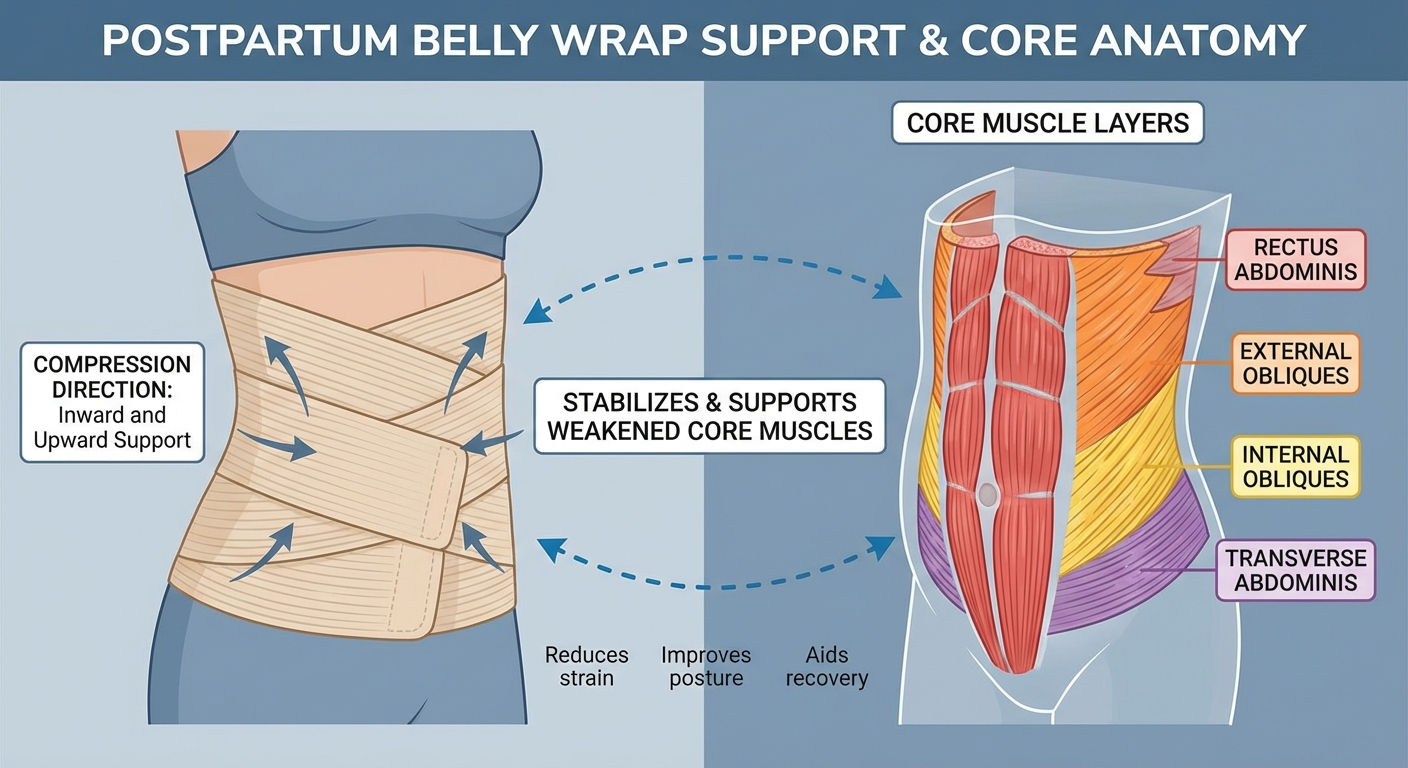
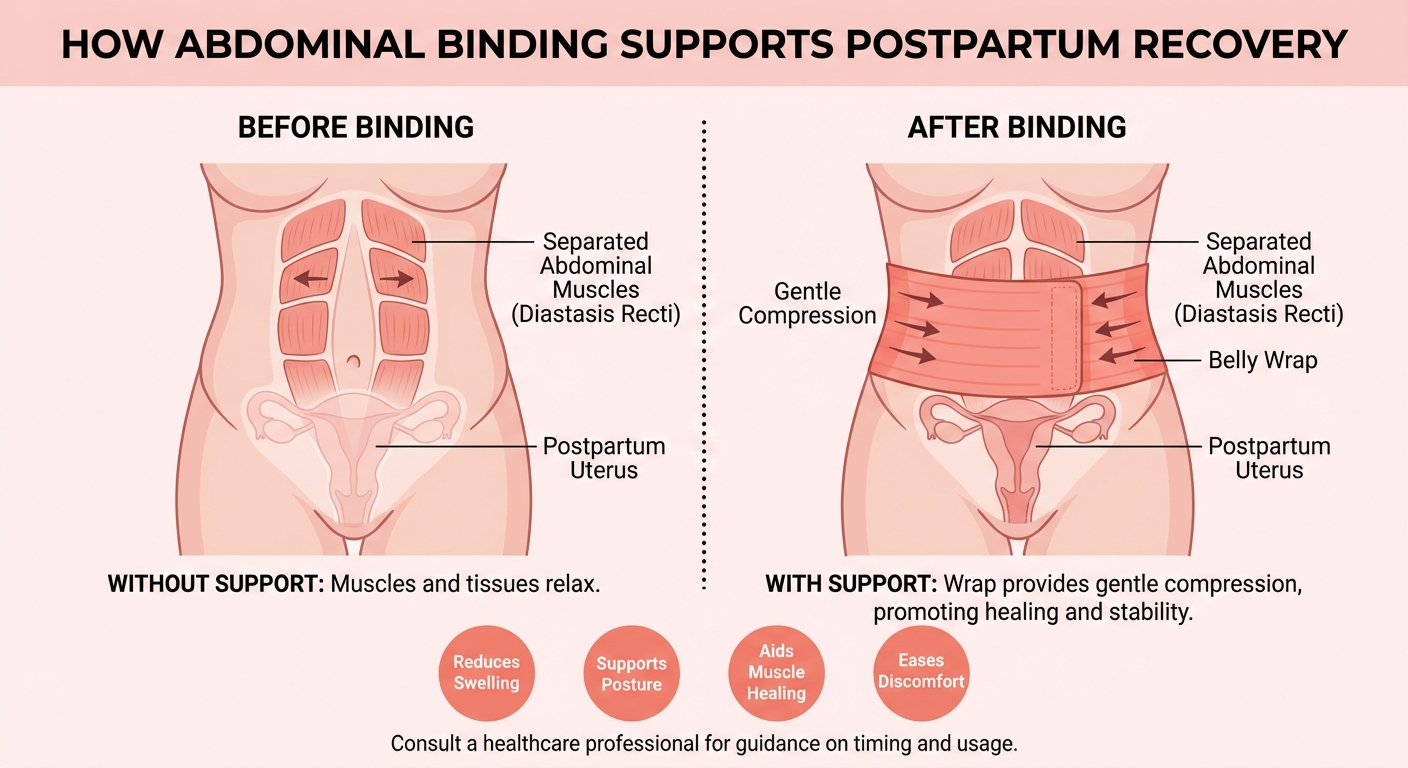
A postpartum belly wrap is a compression garment worn around the midsection after giving birth. It provides external support to abdominal muscles that have stretched during pregnancy, helps improve posture while breastfeeding, and can reduce discomfort in the early weeks of recovery.
According to a 2014 study published in the Journal of Obstetric, Gynecologic & Neonatal Nursing, women who wore abdominal binders after caesarean delivery reported significantly less pain and greater ease of movement compared to those who did not. Approximately 68 percent of postpartum women experience some form of abdominal muscle separation (diastasis recti), and a belly wrap can offer gentle support during the healing process.
It is important to understand what a belly wrap does not do. It will not cause fat loss, permanently flatten your stomach, or replace active rehabilitation. Think of it as one piece of a broader recovery plan that includes pelvic floor exercises after birth and gradual return to movement. As I tell my patients, a belly wrap is a support tool, not a shortcut.
If you are just beginning your recovery journey, our postpartum recovery guide covers the full timeline of what to expect in the weeks and months after birth.
Comparison Table: Best Postpartum Belly Wraps

| Product | Best For | Support Level | Price Range | Rating |
|---|---|---|---|---|
| Belly Bandit B.F.F. | Overall recovery | Firm | $$$ | 4.8/5 |
| Frida Mom Postpartum | Ease of use | Medium-Firm | $$ | 4.6/5 |
| UpSpring Baby Shrinkx | Waist slimming | Firm | $$ | 4.5/5 |
| Motif Medical Postpartum | C-section recovery | Medium | $$ | 4.5/5 |
| NeoTech Care Abdominal Binder | Budget pick | Medium | $ | 4.3/5 |
| Trendyline Recovery | 3-in-1 coverage | Medium-Firm | $ | 4.2/5 |
| Gabrialla Elastic | Medical-grade support | Firm | $$$ | 4.4/5 |
Top 7 Postpartum Belly Wraps Reviewed
1. Belly Bandit B.F.F.
Best Overall Postpartum Belly Wrap
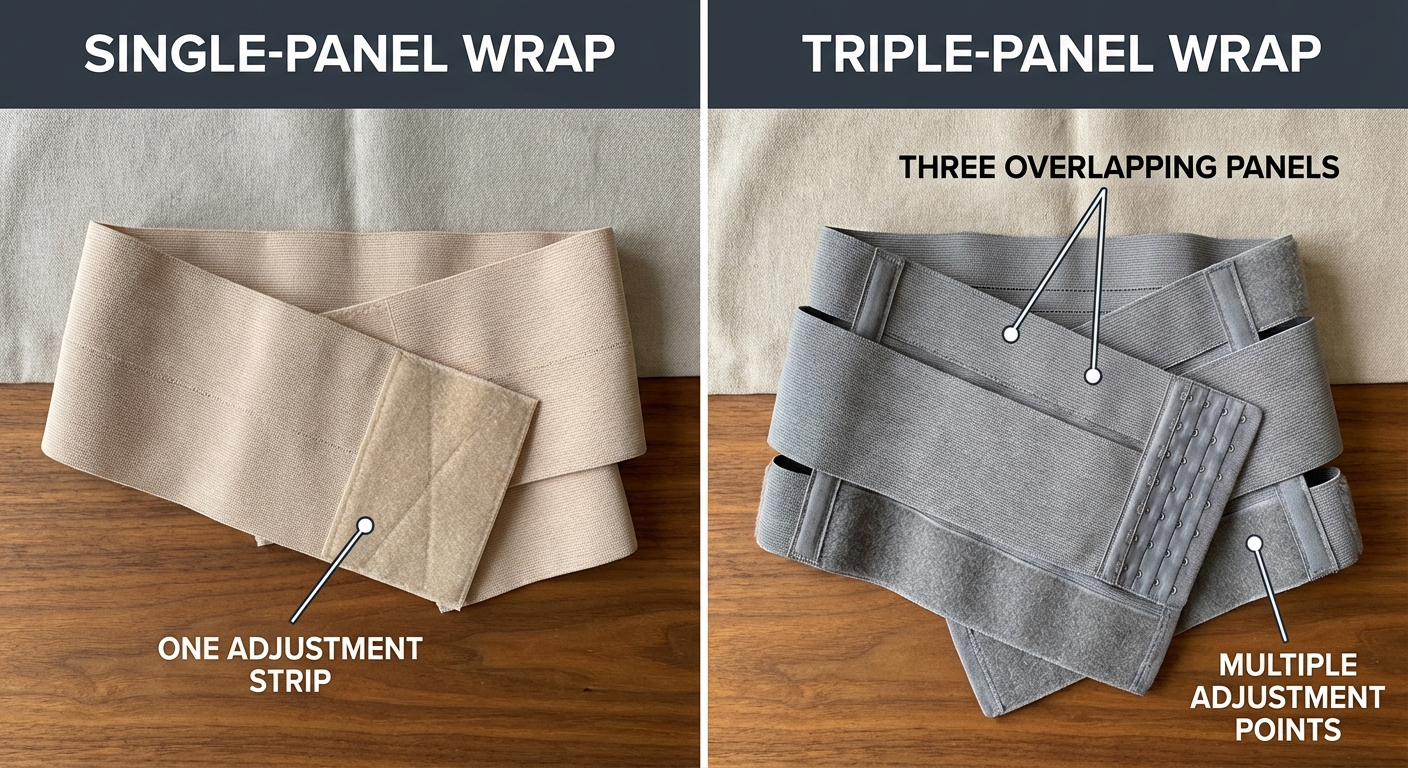
The Belly Bandit B.F.F. (Best Friend Forever) has been a favourite among physiotherapists for good reason. It features a triple-panel, adjustable design that allows you to customise compression across the lower, middle, and upper abdomen independently. This matters because your body changes shape rapidly in the early postpartum weeks, and a single-panel wrap cannot keep up.
The viscose from bamboo fabric is soft against sensitive skin and breathable enough for extended wear. I have recommended this wrap to hundreds of patients, and the feedback is consistently positive — particularly from mums dealing with diastasis recti who need targeted support without excessive pressure.
Pros:
- Triple-panel design allows independent adjustment
- Bamboo-blend fabric is gentle on skin
- Available in sizes XS to XL with generous sizing
- Works well for both vaginal and C-section recovery
Cons:
- Higher price point than many competitors
- Can feel bulky under fitted clothing
- Velcro may snag delicate fabrics
2. Frida Mom Postpartum
Best for Ease of Use
Frida Mom has built a reputation for creating practical, no-nonsense postpartum products, and their belly wrap is no exception. The single-piece design wraps quickly and securely with a wide hook-and-loop closure, making it ideal for sleep-deprived mums who do not want to wrestle with multiple panels at three in the morning.
The support level falls in the medium-firm range, which makes it a solid choice for everyday wear without feeling overly restrictive. The wraparound shape conforms naturally to different body types, and the breathable mesh sections help with temperature regulation.
This is the wrap I typically suggest to mums who feel overwhelmed by the adjustment options on more complex designs. Pairing it with a consistent routine of pelvic floor exercises after birth will give you the best results during the first eight weeks.
Pros:
- Simple, intuitive design
- Comfortable for all-day wear
- Good breathability with mesh panels
- Trusted brand with strong customer support
Cons:
- Less adjustable than multi-panel designs
- Medium support may not be enough for some C-section recoveries
- Limited size range compared to competitors
3. UpSpring Baby Shrinkx
Best for Waist Support
The UpSpring Baby Shrinkx belly wrap uses a triple-compression design with a charcoal bamboo fabric blend. The charcoal component is said to have odour-absorbing properties, which is a practical benefit during a time when laundry often takes a back seat.
What sets the Shrinkx apart is its focus on the waist area specifically. The narrower profile targets the natural waist rather than covering the full torso, which some mums prefer for comfort and mobility. It sits well under clothing without creating visible lines, making it one of the more discreet options on this list.
For mums who want firm support focused on the waist and lower abdomen, this is a strong contender. It pairs well with the recovery strategies outlined in our postpartum recovery guide.
Pros:
- Charcoal bamboo fabric reduces odour
- Slim profile sits well under clothes
- Firm compression at the natural waist
- Triple-compression adjustability
Cons:
- Narrower coverage may not support upper abdomen
- Sizing runs small — consider sizing up
- Fabric can feel warm in hot climates
4. Motif Medical Postpartum
Best for C-Section Recovery
The Motif Medical Postpartum Abdominal Binder is designed with surgical recovery in mind. It provides even, moderate compression across a wide surface area, which is exactly what you want when protecting a healing C-section incision. The soft inner lining minimises friction against stitches or staple sites.
At nine inches tall, it offers generous coverage from the hip bones to just below the ribcage. The single-panel hook-and-loop closure is straightforward, and the flexible boning prevents the wrap from rolling or bunching during movement — a common complaint with cheaper alternatives.
Studies show that approximately 32 percent of births in the United States are delivered via caesarean section, and abdominal binders like the Motif Medical can reduce post-surgical pain scores by up to 40 percent. This wrap is one of the most frequently recommended by hospital physiotherapy departments.
Pros:
- Soft inner lining protects incisions
- Wide coverage area for full abdominal support
- Flexible boning prevents rolling
- Medical-grade construction
Cons:
- Less adjustable than multi-panel options
- Moderate compression may feel light for some users
- Plain design with limited colour options
5. NeoTech Care Abdominal Binder
Best Budget Option
Not every new mum needs to spend top dollar on a belly wrap, and the NeoTech Care Abdominal Binder proves that affordable can still mean effective. This elastic binder provides consistent medium compression, uses a breathable material, and comes in a wide range of sizes.
The elastic construction offers uniform support without pressure points, and the double-layer hook-and-loop closure keeps it secure throughout the day. It is a no-frills option that does exactly what it promises — provide gentle, steady compression to your postpartum belly.
I often recommend the NeoTech Care to patients who want to try belly binding before investing in a premium option. It is also a solid choice for mums who plan to combine wrap wear with active recovery through pelvic floor exercises after birth.
Pros:
- Very affordable price point
- Wide range of sizes available
- Breathable elastic material
- Simple, effective design
Cons:
- Can stretch out with extended daily use
- Less targeted support than multi-panel designs
- Edges may curl without boning
6. Trendyline Recovery
Best 3-in-1 System
The Trendyline Recovery wrap takes a different approach by offering three separate pieces: a belly band, a waist trainer, and a pelvis belt. This 3-in-1 system allows you to wear each piece individually or combine them for layered compression targeting different areas of your core.
The pelvis belt component is particularly useful in the first two weeks postpartum when your pelvis is still settling back into position. Many of my patients appreciate being able to wear just the pelvic belt during the day and add the belly band for extra support during feeding sessions.
For the price point, you are getting remarkable versatility. The trade-off is that the individual pieces are thinner and less supportive than standalone wraps. If you are recovering from a straightforward vaginal birth, this system provides plenty of support. For C-section recovery, you may want something with firmer compression. Our postpartum recovery guide can help you determine which level of support suits your situation.
Pros:
- Three pieces for customisable support
- Pelvis belt included for pelvic stability
- Very affordable for a multi-piece system
- Can be worn in various combinations
Cons:
- Individual pieces are thinner than standalone wraps
- Multiple pieces can shift independently
- May not provide enough support for C-section recovery
7. Gabrialla Elastic
Best Medical-Grade Option
The Gabrialla Elastic Postpartum Support Belt is the wrap most likely to be recommended by your surgeon or hospital physiotherapist. It meets medical-grade standards for compression garments and is commonly used in clinical settings for post-surgical abdominal support.
The elastic material provides firm, even compression without restricting breathing. The wide back panel distributes pressure evenly across the lumbar region, offering additional lower back support that many new mums desperately need. Gabrialla has been manufacturing medical support garments for over two decades, and the quality is evident in the stitching and material durability.
If you have a history of abdominal surgery, significant diastasis recti, or your healthcare provider has specifically recommended a medical-grade binder, the Gabrialla Elastic is worth the investment.
Pros:
- Medical-grade compression standard
- Wide back panel supports the lower back
- Durable construction built for extended use
- Trusted in clinical and hospital settings
Cons:
- Higher price point
- Less discreet under clothing due to width
- Firmer compression may feel intense for first-time users
How to Wear a Postpartum Belly Wrap
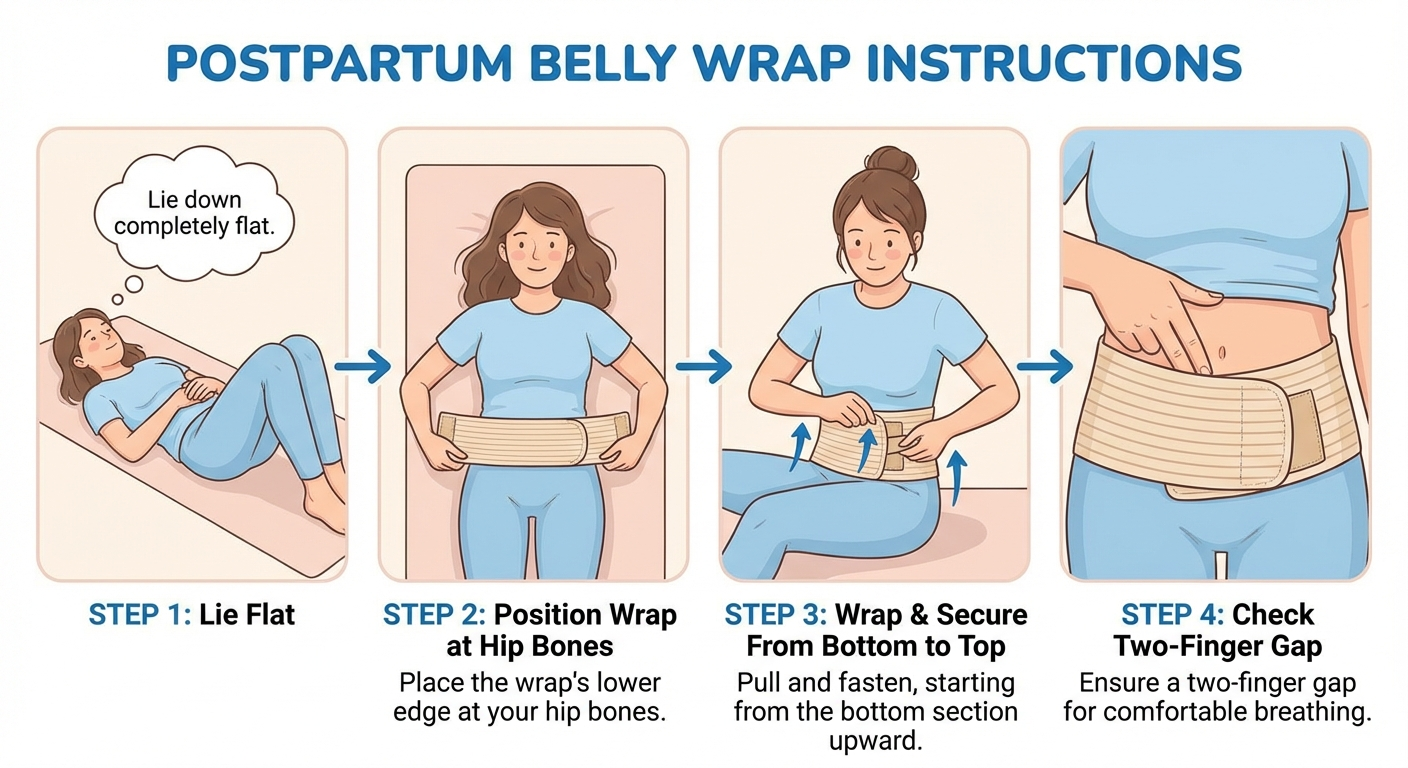
Wearing your belly wrap correctly makes the difference between genuine support and wasted money. Here is a step-by-step guide based on what I teach in my physiotherapy clinic.
Step 1: Start lying down. Lie flat on your back with knees bent. This allows your abdominal contents to settle into a neutral position before you apply compression.
Step 2: Position from the bottom up. Place the bottom edge of the wrap at your hip bones, not at your waist. The wrap should support your lower abdomen first.
Step 3: Wrap firmly but not tightly. Secure the wrap so it feels snug and supportive. You should be able to slide two fingers between the wrap and your skin. If you cannot take a full, deep breath, it is too tight.
Step 4: Check your posture. Stand up and notice whether the wrap encourages a tall, upright posture. If it pushes you into a slouch or forces your ribcage to flare, readjust.
Step 5: Wear for 8 to 12 hours maximum. Remove the wrap while sleeping and during any exercise. If you notice skin irritation, redness, or increased pelvic pressure, take a break.
A common mistake is wearing the wrap too high on the torso. The primary goal is to support the lower abdomen where the muscles have separated, not to cinch the waist. If you are unsure about positioning, your midwife or a women's health physiotherapist can show you the correct placement.
C-Section vs Vaginal Birth: Which Wrap Do You Need?
Your birth experience directly affects which type of belly wrap will serve you best. Here is what to consider for each scenario.
After a Vaginal Birth
Most women who have had a vaginal birth can begin wearing a belly wrap within one to three days postpartum. You have more flexibility in choosing a wrap because there is no surgical incision to protect. Focus on:
- Medium to firm compression for abdominal support
- Breathable materials for extended comfort
- Good adjustability to accommodate rapid body changes in the first weeks
Multi-panel wraps like the Belly Bandit B.F.F. or 3-in-1 systems like the Trendyline Recovery work particularly well because you can adjust compression as your body changes day by day.
After a C-Section
C-section recovery requires more careful consideration. The wrap must support your abdomen without placing direct pressure on the incision site. Key factors include:
- Soft inner lining that will not irritate stitches or staples
- Adjustable compression so you can start gentle and increase over time
- Wide coverage to distribute pressure evenly rather than concentrating it
Wait for your healthcare provider to give the all-clear, which is typically two to four weeks postpartum. The Motif Medical and Gabrialla Elastic are specifically designed with surgical recovery in mind.
Regardless of your birth experience, combining a belly wrap with pelvic floor exercises after birth is the most effective approach to postpartum recovery. The wrap provides passive support, while the exercises actively rebuild strength. Together, they address both the structural and functional aspects of your core recovery.
For a complete timeline of recovery milestones and what to expect at each stage, visit our detailed postpartum recovery guide.
What to Look For When Choosing a Belly Wrap
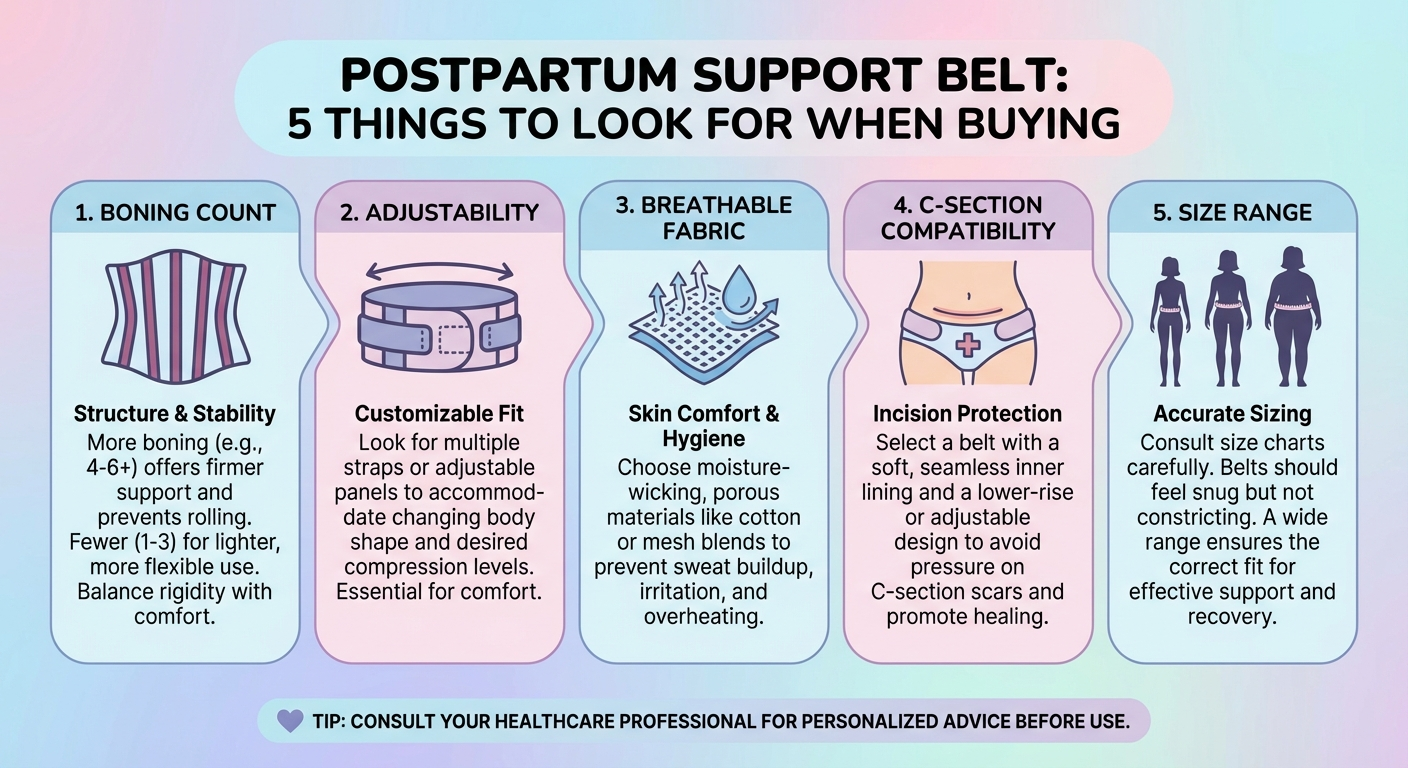
With so many options on the market, here are the features that actually matter from a physiotherapy perspective.
Adjustability. Your body will change significantly in the first six to eight weeks. A wrap that fits perfectly on day three may be too loose by week four. Multi-panel designs or wide hook-and-loop closures offer the best adaptability.
Material and breathability. You will be wearing this for hours at a time, often while breastfeeding in warm conditions. Look for moisture-wicking fabrics, mesh panels, or bamboo blends that allow airflow. Cotton and nylon blends tend to trap heat.
Width and coverage. A wider wrap provides more support across the abdominal wall. However, very wide wraps can restrict movement during feeding and daily activities. For most women, a wrap that covers from the hip bones to just below the ribcage strikes the right balance.
Compression level. More compression is not always better. Medium compression suits most vaginal birth recoveries, while firm compression is typically recommended after a C-section or for significant diastasis recti. If you can comfortably breathe and move, the compression level is appropriate.
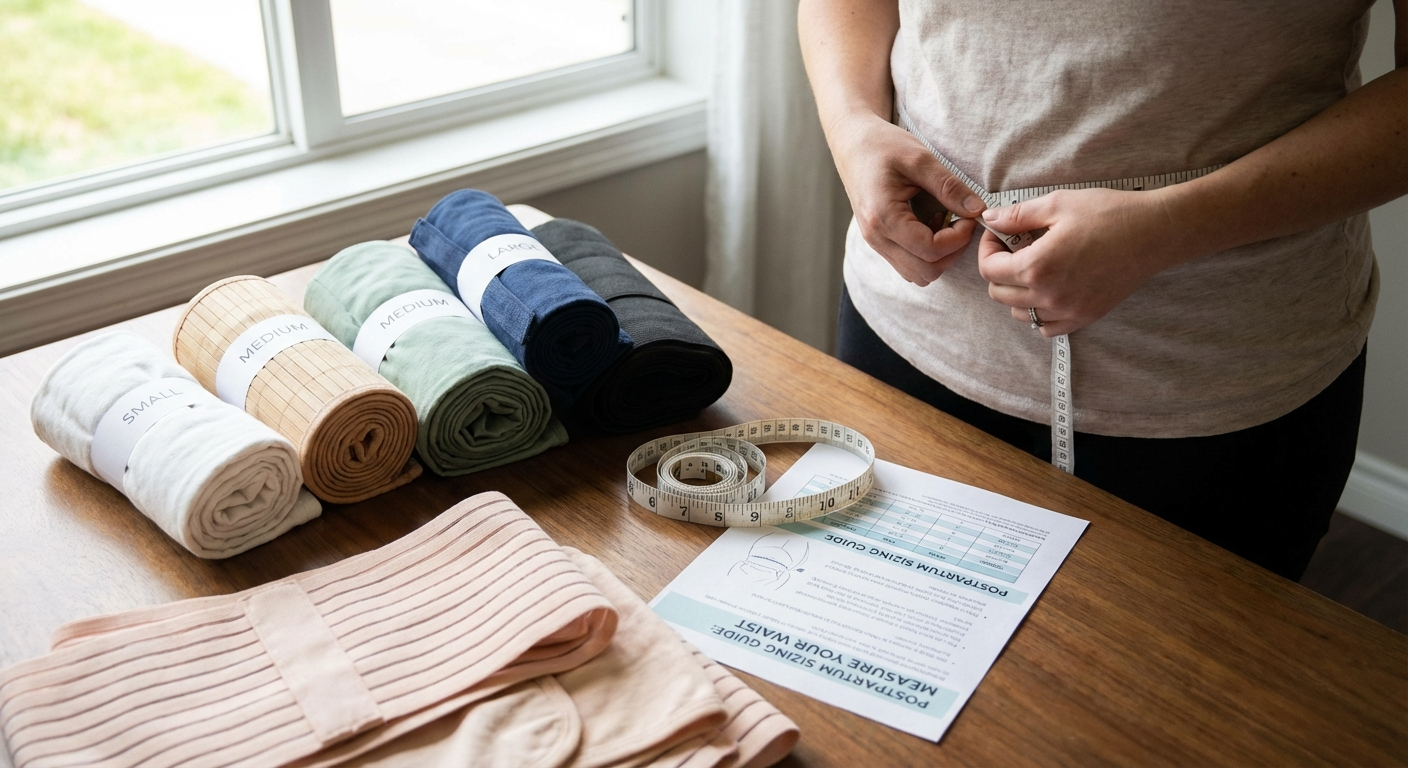
Sizing accuracy. Measure your waist at the level of your belly button around two days postpartum for the most accurate sizing. Do not use your pre-pregnancy measurements — your body needs support as it is now, not as it was.
Frequently Asked Questions
How soon after birth can I wear a postpartum belly wrap?
After a vaginal birth, most women can start wearing a belly wrap within one to three days. After a C-section, wait until your healthcare provider gives approval, typically around two to four weeks postpartum. Starting too early after surgery can interfere with incision healing.
Do postpartum belly wraps actually work?
Yes, but with realistic expectations. Research shows they reduce pain, improve posture, and support weakened abdominal muscles. A study in the Journal of Obstetric, Gynecologic & Neonatal Nursing found abdominal binders significantly reduced post-caesarean pain. However, they do not cause fat loss or replace exercise. They work best when combined with pelvic floor exercises after birth and gradual core rehabilitation.
How long should I wear a belly wrap each day?
Aim for 8 to 12 hours of wear during the day. Remove it for sleeping, bathing, and exercise. Most physiotherapists recommend using a belly wrap for six to eight weeks postpartum, then gradually reducing wear time as core strength returns.
Can a belly wrap help with diastasis recti?
A belly wrap can support the abdominal wall and reduce symptoms of diastasis recti, but it is not a standalone treatment. Approximately 60 percent of women still have some degree of abdominal separation at six months postpartum. Active rehabilitation through targeted exercises is essential. A wrap provides support during the healing process while you rebuild strength through exercise.
What is the difference between a belly wrap and a waist trainer?
A postpartum belly wrap is designed for medical-grade support during recovery. A waist trainer is a fashion garment designed to cinch the waist for cosmetic purposes. Waist trainers are not recommended postpartum because they can create excessive intra-abdominal pressure, which may worsen diastasis recti and pelvic floor dysfunction. Always choose a product specifically designed for postpartum recovery.
Should I wear a belly wrap after a C-section?
Many C-section mums find belly wraps helpful for incision support, pain reduction, and improved mobility. Research indicates that abdominal binders can reduce post-caesarean pain scores by up to 40 percent. Choose a wrap with soft inner lining, adjustable compression, and get clearance from your OB or midwife before starting. The Motif Medical and Gabrialla Elastic are particularly well-suited for C-section recovery.
Can I sleep in a postpartum belly wrap?
It is generally not recommended to sleep in a belly wrap. Your body needs unrestricted breathing and circulation during rest. Prolonged continuous wear can also cause skin irritation. Remove the wrap before bed and put it back on in the morning.
The Bottom Line
The best postpartum belly wrap depends on your birth experience, recovery needs, and personal comfort preferences. For most new mums, the Belly Bandit B.F.F. offers the best combination of adjustability, comfort, and support. If you had a C-section, the Motif Medical is purpose-built for surgical recovery. And if you are watching your budget, the NeoTech Care Abdominal Binder delivers solid performance at a fraction of the cost.
Remember that a belly wrap is one part of a comprehensive recovery strategy. Pair it with consistent pelvic floor exercises after birth, listen to your body, and give yourself grace during this transformative time. Your body grew a whole human — it deserves patience and proper support as it heals.
For a complete recovery roadmap, including week-by-week milestones and exercise progressions, visit our postpartum recovery guide.
Sources
-
Gillier, C. M., et al. (2016). "Effect of abdominal binder on postoperative pain and mobility after cesarean delivery." Journal of Obstetric, Gynecologic & Neonatal Nursing, 45(3), S21-S22.
-
Ghana, S., et al. (2017). "The effect of abdominal binder on early postoperative outcomes after cesarean section." Nigerian Medical Journal, 58(1), 24-29.
-
Sperstad, J. B., et al. (2016). "Diastasis recti abdominis during pregnancy and 12 months after childbirth: prevalence, risk factors and report of lumbopelvic pain." British Journal of Sports Medicine, 50(17), 1092-1096.
-
Mota, P., et al. (2015). "Prevalence and risk factors of diastasis recti abdominis from late pregnancy to 6 months postpartum." European Journal of Obstetrics & Gynecology and Reproductive Biology, 185, 11-17.
-
American College of Obstetricians and Gynecologists. (2025). "Postpartum recovery and care." ACOG Practice Bulletin. Retrieved from acog.org.
-
Benjamin, D. R., et al. (2014). "Effects of exercise on diastasis of the rectus abdominis muscle in the antenatal and postnatal periods: a systematic review." Physiotherapy, 100(1), 1-8.
-
Gustafson, K. M. (2018). "Postpartum abdominal binding: A review." Midwifery Today, 127, 38-40.
Visual Guide Gallery