TMJ Guide
Mastitis While Breastfeeding: Symptoms, Treatment, and Prevention in 2026
Complete guide to mastitis while breastfeeding — recognise symptoms, understand treatment options including antibiotics, learn safe breastfeeding practices during infection, and prevent recurrence.
By Dr. Emily Watson, Women's Health Physiotherapist · Published 2026-03-10 · Updated 2026-04-21
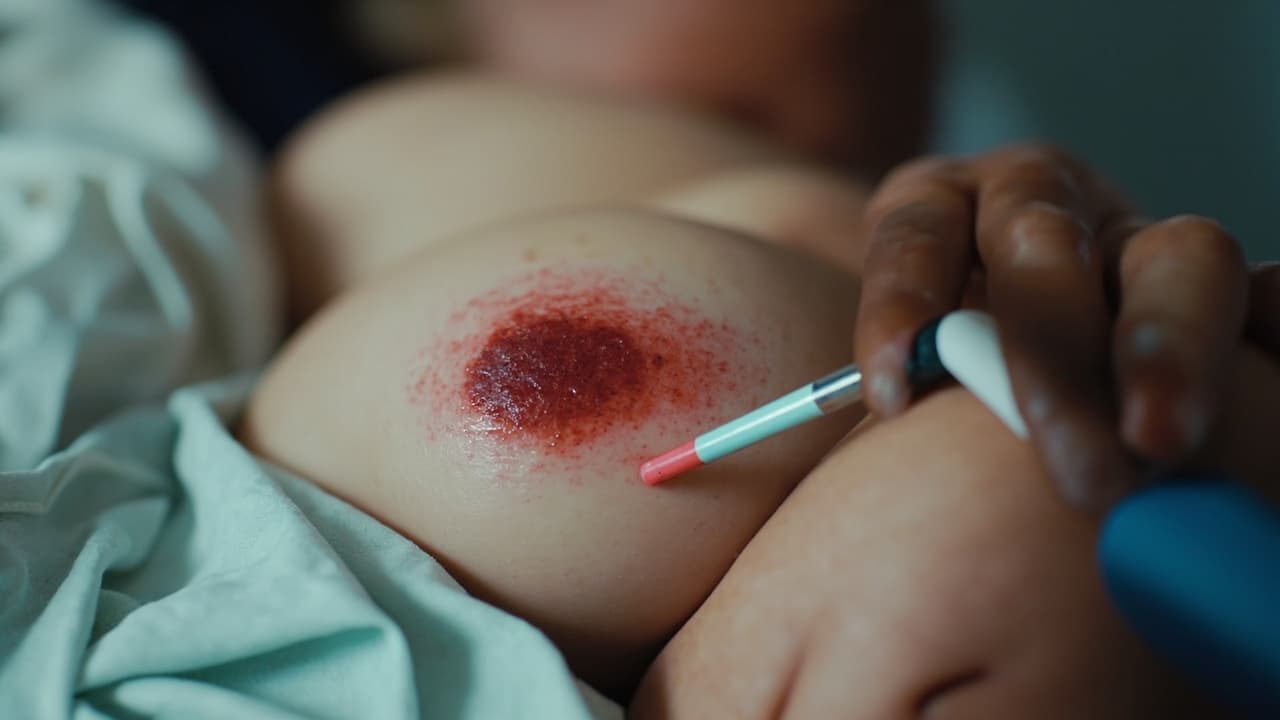
Mastitis is one of the most unpleasant experiences a breastfeeding mother can face — and one of the most misunderstood. Affecting approximately 10% of lactating women, it can develop from a simple blocked duct or emerge on its own. The good news: when recognised and treated promptly, most cases resolve within 48-72 hours without serious complications. The bad news: delayed treatment or the wrong approach can lead to abscess formation, prolonged illness, and in rare cases, sepsis. This guide covers everything you need to know about recognising mastitis, treating it effectively, and preventing it from recurring.
By Dr. Emily Watson | Last updated: April 2026
Table of Contents
- What Is Mastitis?
- Symptoms: How to Recognise Mastitis
- The Mastitis Spectrum: From Inflammation to Infection
- Causes and Risk Factors
- Home Treatment: What Works When Caught Early
- When Antibiotics Are Needed
- Safe Breastfeeding During Mastitis
- What to Do If You Have an Abscess
- Prevention Strategies
- Recurring Mastitis
- FAQ: Mastitis While Breastfeeding
- Sources
What Is Mastitis?

Mastitis is inflammation of the breast tissue. Clinically, it exists on a spectrum from sterile inflammation (caused by milk stasis and tissue irritation) to infectious mastitis (where bacteria have entered and multiplied in the breast tissue). The 2022 Academy of Breastfeeding Medicine (ABM) Protocol introduced the concept of "The Mastitis Spectrum" to replace the old binary classification of "blocked duct vs mastitis."
The Two Types
Non-Infectious (Inflammatory) Mastitis: This is the earlier stage. Milk stasis causes inflammation in the breast tissue — the area becomes hot, swollen, painful, and red. There may be fever, but it is usually low-grade (under 38.5°C). No bacteria are necessarily involved; the problem is the inflammatory response to stagnant milk. This stage responds very well to aggressive milk removal and anti-inflammatory measures.
Infectious Mastitis: When bacteria (most commonly Staphylococcus aureus, but also other organisms) enter the breast tissue — typically through a cracked nipple or via ascending movement from the colonized nipple — they multiply in the stagnating milk. The inflammatory response intensifies, systemic symptoms develop, and antibiotics are usually required.
How Common Is Mastitis?
Research published in the Journal of Human Lactation and peer-reviewed by La Leche League suggests that mastitis affects approximately 10% of lactating women, with the highest incidence in the first six weeks postpartum. However, mastitis can occur at any point during breastfeeding — and some mothers experience it multiple times.
Risk is significantly elevated in mothers who have recently had mastitis, those with cracked or damaged nipples, those who are experiencing milk stasis from infrequent feeding, and those under significant stress or sleep deprived.
Symptoms: How to Recognise Mastitis

Mastitis produces a distinctive combination of local breast symptoms and systemic bodily responses. Recognising the pattern helps you act quickly.
Local Breast Symptoms
Redness: A defined, often wedge-shaped area of skin becomes pink to red. Unlike a simple blocked duct (where redness is small and localised), mastitis redness often spreads. The edges may be blurred rather than well-defined.
Swelling and Heat: The affected area is visibly swollen and feels hot to touch. The breast may appear larger on one side and the skin may feel tight or shiny.
Pain: Pain is localised to the affected area (not the whole breast, as in engorgement) and is often severe — a deep, throbbing ache that worsens during feeding or when the breast fills with milk.
Tenderness to Touch: The area is exquisitely tender, and even gentle pressure is painful.
Systemic Symptoms
Fever: A temperature above 38.5°C (101.3°F) is the hallmark systemic sign of mastitis. Often the fever comes on suddenly and is accompanied by chills — a sudden fever rigors (shaking chills) is a classic mastitis presentation.
Flu-Like Aches: Body aches, particularly in the joints and lower back, resembling the onset of influenza.
Fatigue and Malaise: A profound sense of feeling very unwell — beyond ordinary tiredness. You may feel unable to get out of bed.
Headache: Common with mastitis, often accompanying the fever.
How It Differs from a Blocked Duct
The key distinguishing feature is systemic symptoms. A blocked duct causes local pain, redness, and a lump — but no fever, no body aches, and no feeling of being systemically unwell. If you have fever plus a painful breast, it is mastitis until proven otherwise.
| Symptom | Blocked Duct | Mastitis |
|---|---|---|
| Fever | No or very low | Yes, usually above 38.5°C |
| Body aches | No | Yes |
| Chills/rigors | No | Yes |
| Extent of redness | Small, localised | Often spreading |
| Severity | Local discomfort | Feels very unwell |
| Onset | Gradual | Rapid, often overnight |
The Mastitis Spectrum: From Inflammation to Infection

The ABM's Mastitis Spectrum (2022) identifies five stages, each with different treatment priorities:
Stage 1: Milk Stasis
The earliest stage — milk is not moving through the ducts efficiently. There may be a feeling of fullness in one area, but no redness, no fever, and no pain. This is the ideal time for intervention — drain the area, and mastitis is prevented entirely.
Stage 2: Inflammatory Mastitis
Milk stasis has triggered inflammation. The area becomes hot, red, swollen, and painful. There may be a low-grade temperature (under 38.5°C). No bacteria are confirmed. The primary treatment is aggressive milk removal, anti-inflammatory medication (ibuprofen), and rest. Antibiotics are not yet needed.
Stage 3: Infective Mastitis
Bacteria have entered the tissue. Systemic symptoms are present: fever above 38.5°C, chills, body aches, malaise. The area is intensely painful and red. Antibiotics are usually required alongside continued breastfeeding. A culture of breast milk (obtained via clean expression mid-feed) can identify the causative organism and guide antibiotic choice.
Stage 4: Abscess
A collection of pus has formed within the breast tissue, requiring surgical drainage. This is a serious complication that typically requires hospital admission, IV antibiotics, and either needle aspiration or surgical incision and drainage. This stage is largely preventable through early treatment of earlier stages.
Stage 5: Recurrent or Chronic Mastitis
Some mothers experience repeated episodes, sometimes because of an underlying duct abnormality, retained foreign body (such as a 'milk stone' or old stitched material from surgery), or persistent duct pathology. This requires specialist investigation.
Causes and Risk Factors

Mastitis develops when bacteria enter breast tissue and/or when milk stasis causes significant inflammation. The risk factors for each pathway overlap considerably.
Primary Cause: Milk Stasis
Milk stasis — milk remaining in the breast without adequate removal — is the single most important predisposing factor for mastitis. When milk sits in one area, it triggers inflammation, and the stagnant milk provides a medium for bacterial growth. Milk stasis occurs when:
- Baby sleeps through the night or has longer-than-usual sleep stretches
- Feeding frequency drops (during growth spurt-related clustering, illness, travel)
- The latch is poor, meaning some ducts are not emptied
- One breast is consistently under-drained
- You wean or reduce feeding abruptly
Nipple Damage as a Portal
Cracked, fissured, or damaged nipples create a direct pathway for bacteria to enter the breast tissue. Nipple damage is most commonly caused by poor latch (see our breastfeeding latch problems guide) — making latch optimisation a primary preventive measure.
Other Risk Factors
Oversupply: More milk than baby can drain creates stasis in the unused ducts.
Incorrect bra fit: Underwire or tightly fitting bras can compress ducts and obstruct flow.
Nipple piercings: Jewelry can harbour bacteria and obstruct duct openings.
Stress and exhaustion: These suppress immune function and can affect let-down, contributing to stasis.
Rapid weaning: Dropping feeds too quickly leaves the breast overfull.
Previous mastitis: Having mastitis once significantly increases recurrence risk.
Smokers: Associated with higher mastitis rates and worse outcomes.
Home Treatment: What Works When Caught Early

If you catch mastitis very early — within the first few hours of symptoms, before systemic illness develops — the following protocol may be sufficient to resolve it without antibiotics. This is essentially treatment of inflammatory mastitis before it progresses to infection.
Step 1: Rest and Hydration
Mastitis demands more rest than you think you have time for. Lie down, keep baby close, and prioritise nothing else. Fever and infection increase fluid requirements — aim for at least 2-3 litres of water per day. Enlist your partner, family, or friends to handle other tasks.
Step 2: Continue Feeding — Aggressively Drain the Breast
The single most important treatment is continued, frequent draining of the affected breast. Each time milk flows, it flushes the ducts and reduces stasis. Do not stop breastfeeding — this is the most dangerous thing you can do with mastitis.
Feed from the affected breast first at each session. Let baby drain it completely — or as much as possible. If baby cannot feed effectively (too ill, too painful), express by hand or pump after each attempted feed.
Step 3: Position Baby to Target the Affected Area
As with clogged ducts, the position of baby's chin relative to the mastitis area matters. Use the football hold for outer quadrants, cradle/cross-cradle for inner areas, laid-back for lower quadrants.
Step 4: Warm Compress Before Feeds (Brief)
Apply a warm, moist flannel for 2-3 minutes before feeding to encourage milk flow. Do not apply heat for more than 5 minutes — longer heat increases swelling and inflammation.
Step 5: Cold Compress After Feeds
After feeding, apply cold packs (chilled cabbage leaves, gel packs, frozen peas in a cloth) for 10-15 minutes. Cold reduces inflammation and provides pain relief.
Step 6: Ibuprofen for Inflammation and Pain
Ibuprofen is safe while breastfeeding (the NHS and AAP confirm this) and addresses both pain and inflammation. Dose: 400mg every 6-8 hours with food. Paracetamol can help with pain and fever but does not reduce inflammation as effectively. Do not exceed recommended doses.
Step 7: Gentle Massage (Toward the Nipple Only)
Using the Lactation Massage Protocol: small circular movements directly on the tender area, then sweeping gently toward the nipple. Never press hard, and never massage from the nipple back toward the chest wall.
Step 8: Monitor Symptoms Closely
If fever persists above 38.5°C for more than 12-24 hours despite the above measures, or if symptoms are worsening rather than improving, contact your GP for antibiotics.
When Antibiotics Are Needed

Antibiotics are typically indicated in the following situations:
- Fever above 38.5°C persisting for more than 12-24 hours despite aggressive milk removal
- Significant systemic symptoms: shaking chills, severe body aches, feeling very unwell
- Redness that is clearly expanding or spreading
- Pain that is worsening rather than improving
- Previous episode of infectious mastitis (higher recurrence risk)
- Known colonization with Staphylococcus aureus (identified in previous cultures)
Common Antibiotic Regimens
Flucloxacillin or Dicloxacillin (UK first-line): 500mg four times daily for 10-14 days. Covers Staphylococcus aureus effectively. Common side effect: diarrhoea.
Clindamycin (used in cases of penicillin allergy or MRSA colonisation): 300mg four times daily for 10-14 days.
Co-amoxiclav (Augmentin): Sometimes used if cultures show Gram-negative organisms or mixed infection.
Important: Complete the full course of antibiotics even if symptoms improve sooner. Stopping early increases recurrence and antibiotic resistance.
Taking Antibiotics While Breastfeeding
All antibiotics prescribed for mastitis are considered compatible with breastfeeding. The benefits of continuing breastfeeding during treatment far outweigh any theoretical risk from the small amount of antibiotic passing into milk. Baby may develop mild diarrhoea — this is generally not a concern unless severe.
Milk Culture
If you have recurrent mastitis or mastitis that does not respond to a first antibiotic course, ask your GP to send a milk sample for culture and sensitivity. This identifies the specific organism and its antibiotic sensitivities, guiding targeted treatment. To collect a sample: express 5-10ml of milk mid-feed (not at the start or end), collect in a sterile container provided by your GP or hospital, and send to the laboratory within 4 hours or refrigerate immediately.
Safe Breastfeeding During Mastitis

Breastfeeding from the affected breast during mastitis is not only safe — it is essential for recovery. The evidence is clear: continuing to drain the breast is the single most important intervention.
Benefits of Continued Breastfeeding
- Milk removal flushes the infected duct and reduces bacterial load
- Your milk contains antibodies and immune factors that protect baby
- Stopping breastfeeding leads to severe engorgement, worsening stasis, and significantly elevated risk of abscess
- Baby cannot be infected by the organisms causing your mastitis
What About Baby?
You may feel worried about passing infection to your baby through your milk. The good news: the organisms that cause mastitis (predominantly Staphylococcus aureus) are commonly found on skin and in the environment. Baby is already exposed to them, and your milk contains antibodies specifically against the infection you are fighting. Continuing to breastfeed may actually help protect baby.
However, if you are very unwell and struggling to care for baby safely, ensure someone is available to support you. Mastitis can be debilitating — do not try to do everything alone.
Practical Tips for Feeding with Mastitis
- Start feeds on the affected side — baby is hungriest at the start and will drain it most effectively
- Use positions that target the affected area (see previous section)
- Feed frequently — every 2 hours or more if baby will take it
- If feeding is too painful, express by hand or pump to maintain drainage
- Apply cold compresses for pain relief after feeds
- Wear a soft, well-fitting, wire-free bra — avoid any compression
What to Do If You Have an Abscess

A breast abscess is a collection of pus within the breast tissue. It is a serious complication that requires medical intervention, but it is largely preventable through early treatment of mastitis.
Symptoms Suggesting Abscess
- Fever persisting despite antibiotics
- A painful, fluctuating lump that feels liquid-filled
- Severe localised pain
- Symptoms not improving after 48 hours of appropriate antibiotic treatment
- Red, shiny skin over the lump with visible distension
Diagnosis
An ultrasound scan is the diagnostic tool of choice. It clearly shows whether a collection is fluid (abscess) versus solid tissue inflammation, its exact location, and its size.
Treatment
Ultrasound-guided needle aspiration: Under ultrasound guidance, a radiologist inserts a needle into the abscess and withdraws the pus. This is less invasive than surgery and can be done under local anaesthetic. Often requires multiple aspirations.
Incision and drainage: In larger or persistent abscesses, a small surgical incision is made under local or general anaesthetic, the pus is drained, and a wick may be inserted to keep the wound open for drainage.
IV antibiotics are prescribed alongside any drainage procedure. Breastfeeding can usually continue — the treating surgeon or GP will advise on positioning around the drained area.
Prevention Strategies

Mastitis prevention is largely about consistent breast drainage and avoiding the conditions that allow it to develop.
Prioritise Effective Latch
Every feeding session is an opportunity to fully drain the breast — or a risk of stasis if latch is ineffective. Ensuring a deep, pain-free latch is the most important preventive step. See our breastfeeding latch problems guide for full details.
Feed Frequently and On Demand
The single most effective preventive habit: respond to early feeding cues rather than sticking to a rigid schedule. In the first 6-8 weeks, aim for 8-12 feeds per 24 hours. Let baby feed as often as they signal hunger.
Alternate Starting Breasts
Alternating which breast you offer first prevents one side from consistently receiving less complete drainage.
Vary Feeding Positions
Different holds compress different duct systems. Using multiple positions ensures no single area is habitually under-drained.
Treat Blocked Ducts Immediately
A blocked duct is the precursor to mastitis. Treat it aggressively from the moment you notice it using the protocol in our clogged milk duct guide. Do not wait.
Wear a Well-Fitted Bra
Get professionally fitted. Underwire and tight bands compress breast tissue and obstruct ducts. Wear wire-free during breastfeeding, especially at night.
Avoid Rapid Weaning
If you are weaning, do it gradually — reduce one feed every 2-3 days rather than stopping abruptly. If baby drops a feed, pump just enough to stay comfortable (not fully empty) for a few days before reducing further.
Get Help for Nipple Damage
Cracked or damaged nipples are the most common entry point for bacteria. If you have nipple pain or visible damage, see an IBCLC or your health visitor. Nipple damage is almost always caused by incorrect latch and is correctable.
Probiotic Support
Some research suggests that probiotic strains (Lactobacillus fermentum or Lactobacillus salivarius) may help prevent mastitis recurrence by reducing Staphylococcus aureus colonisation in the breast. Discuss this with your GP or IBCLC.
Recurring Mastitis

If you experience mastitis more than once or twice, this warrants investigation rather than simply treating each episode.
Common Causes of Recurrence
- Unidentified underlying duct abnormality
- Incomplete treatment of previous episode (stopping antibiotics early)
- Staphylococcus aureus colonisation (the bacteria establishes in the tissue)
- Retained milk stones or old inflammatory debris blocking ducts
- Incorrect bra fit or other ongoing mechanical obstruction
When to Seek Specialist Referral
- Three or more episodes of mastitis
- Mastitis always in the same location
- Mastitis that does not respond to standard antibiotics
- Associated with nipple abnormality or prior breast surgery
A breast specialist or infectious disease specialist may be needed for investigation with ultrasound, repeat milk cultures, or consideration of underlying pathology.
FAQ: Mastitis While Breastfeeding
What are the first signs of mastitis?
The first signs typically appear within hours and include a painful, red, swollen area on the breast (usually one wedge-shaped section), fever above 38.5°C, chills and body aches, and a feeling of being very unwell. The affected area feels hot to touch, is tender, and often appears pink or red. Unlike a blocked duct, systemic symptoms — fever, malaise, body aches — are present.
Do I need antibiotics for mastitis?
If caught very early (within hours of symptom onset) and still in the inflammatory stage, aggressive milk removal and anti-inflammatory measures may resolve it without antibiotics. However, if symptoms have been present for more than 12-24 hours, if you have significant fever and systemic symptoms, or if the area is clearly infected, antibiotics are typically needed. Most cases of infectious mastitis require a 10-14 day course of antibiotics such as flucloxacillin.
Can I keep breastfeeding with mastitis?
Absolutely — and you should. Continuing to breastfeed from the affected breast is one of the most effective treatments for mastitis. Your milk is safe for baby and actually contains antibodies against the infection. Abruptly stopping breastfeeding with mastitis significantly increases the risk of abscess formation and prolonged illness.
How quickly can mastitis get worse?
Mastitis can escalate within 24-48 hours if untreated. What starts as a localised blocked duct can progress to full infectious mastitis with high fever, rigors, and significant systemic illness within hours to a day. Early treatment at the first signs prevents this escalation.
When should I go to urgent care for mastitis?
Go to urgent care or the emergency department if you have high fever (above 39°C) that does not respond to paracetamol or ibuprofen, spreading red streaks radiating from the breast, severe confusion or dizziness, inability to feed or express milk at all, or if you cannot access your GP within 24 hours and symptoms are worsening.
Is mastitis contagious to my older children?
Mastitis is not a contagious infection — it cannot be passed from mother to child or between adults. The bacteria that cause it (predominantly Staphylococcus aureus) are common skin flora that most people carry without any harm. However, practice good hand hygiene, particularly after touching your breasts, and avoid letting older children put your nipples or breast milk in their mouths as a general hygiene precaution. Staphylococcus aureus can cause skin infections if it enters broken skin.
Does having mastitis affect the quality of my breast milk?
No — your breast milk remains nutritionally appropriate and safe for your baby even during mastitis. In fact, your milk will contain specific antibodies against the infecting organism, providing your baby with targeted immune protection. The milk may taste slightly saltier due to the inflammatory changes in the tissue, but this is not harmful. Do not discard your milk or stop feeding — the benefits of continued breastfeeding far outweigh any theoretical concerns.
How long should I wait before I can breastfeed after taking antibiotics?
You do not need to wait — all antibiotics prescribed for mastitis are compatible with breastfeeding and you can breastfeed immediately after taking your dose. The small amount that passes into breast milk is not harmful to baby and does not require a "pump and dump" approach. Continue breastfeeding throughout your antibiotic course. If you notice your baby develops loose stools that concern you, mention it to your GP or health visitor.
Recommended Products for Mastitis While Breastfeeding: Symptoms, Treatment, and Prevention in 2026
We use Amazon for product research. These links support our recommendations:
- Table Of Contents — View on Amazon
- What Is Mastitis? — View on Amazon
- Symptoms: How To Recognise Mastitis — View on Amazon
Prices and availability as of {{date}}.
Sources
-
Academy of Breastfeeding Medicine. "ABM Clinical Protocol #36: The Mastitis Spectrum." Breastfeeding Medicine, 17(5), 2022.
-
Amir, L.H., & Ingram, J. "A Review of the Evidence: Dietary Intervention for Mastitis." Breastfeeding Review, 16(2), 2008.
-
Mitchell, K.B., et al. "ABM Clinical Protocol #27: Engorgement." Breastfeeding Medicine, 17(6), 2022.
-
La Leche League International. "Mastitis and Blocked Ducts." https://llli.org/breastfeeding-info/mastitis/
-
NHS. "Mastitis." National Health Service, UK. https://www.nhs.uk/conditions/baby/breastfeeding-and-bottle-feeding/breastfeeding-problems/mastitis/
-
World Health Organization. " Mastitis: Causes and Management." WHO Technical Document, 2000.
This article is for informational purposes only and does not replace professional medical advice. If you suspect mastitis, have fever above 38.5°C, or symptoms are not improving, contact your GP or healthcare provider promptly.
About the Author: Dr. Emily Watson is a Women's Health Physiotherapist with over 15 years of experience supporting new mothers through pregnancy, birth, and postpartum recovery. She holds a specialist interest in pelvic floor health and breastfeeding support, and works with families in both NHS and private practice settings in the UK.
Last updated: April 2026
Walking Pad vs Treadmill
30-second comparison