TMJ Guide
Perineal Tear Recovery: Healing Stages and Pain Relief in 2026
Expert guide to perineal tear recovery after childbirth. Covers healing stages, pain relief options, hygiene care, infection warning signs, and when to resume exercise and intimacy.
By Dr. Emily Watson, Women's Health Physiotherapist · Published 2026-03-10 · Updated 2026-04-21
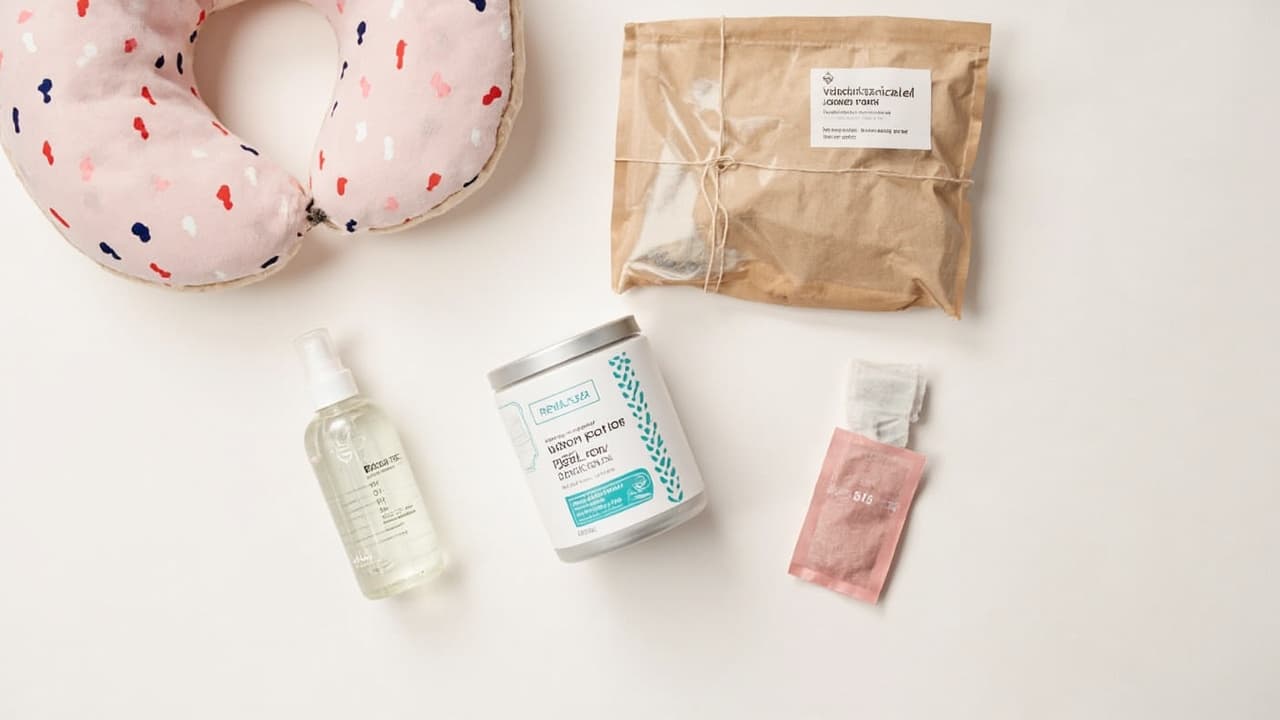
Approximately 85% of women who have a vaginal birth experience some form of perineal trauma — ranging from a minor graze to a significant tear involving the anal sphincter muscles. Whatever the grade, the recovery process is intimate, often uncomfortable, and frequently anxiety-inducing. Understanding exactly what to expect, how to care for yourself, and what signs require urgent attention transforms the experience from frightening to manageable. This guide covers the complete perineal tear recovery journey — from the delivery room to feeling like yourself again.
By Dr. Emily Watson | Last updated: April 2026
Table of Contents
- Understanding Perineal Tears: Grades and What Each Means
- Immediate Post-Delivery Care: The First 24 Hours
- Week 1: The Most Intense Healing Period
- Weeks 2-3: Gradual Improvement
- Weeks 4-8: Closing the Gap
- Months 2-6: Full Functional Recovery
- Pain Relief Options That Actually Work
- Hygiene and Toilet Care
- Bowel Movement Support
- Infection and Wound Breakdown: Warning Signs
- Pelvic Floor Recovery After Tearing
- When to Resume Exercise
- Resuming Intimacy After Perineal Trauma
- FAQ: Perineal Tear Recovery
- Sources
Understanding Perineal Tears: Grades and What Each Means

Perineal tears are classified by severity into four grades. The grade determines not just healing time but follow-up care, risk of complications, and guidance on returning to normal activities.
Grade 1: Minor Graze or Superficial Tear
Only the vaginal skin or perineal skin is involved. No muscle is affected. These tears are sometimes called "skinned" or "superficial grazes." They may not even require stitches, or may be closed with a single suture. Healing is typically very quick — significant discomfort for 3-5 days, with complete healing within 1-2 weeks.
Grade 2: Skin and Muscle
The tear extends through the perineal skin and the underlying perineal muscles (bulbospongiosus and superficial perineal muscles) but does not involve the anal sphincter. This is the most common tear grade requiring suturing. Stitches are usually absorbable (dissolving on their own within 2-3 weeks). Recovery takes 2-3 weeks for initial comfort and 6-8 weeks for full tissue healing.
Grade 3: Involving the Anal Sphincter Muscles
The tear extends through the perineal body and involves one or more of the anal sphincter muscles. This is a more significant injury requiring careful repair by an obstetrician, often under regional anaesthetic (epidural or spinal). Third-degree tears are further classified as 3a (less than 50% of the external sphincter torn), 3b (more than 50% of the external sphincter torn), and 3c (involving the internal sphincter as well). Recovery requires more careful monitoring, a specific follow-up plan, and usually referral to a pelvic floor physiotherapist.
Grade 4: Through to the Rectal Lining
The most severe tear extends through the anal sphincter and the rectal mucosa (the lining of the rectum). This is a significant obstetric injury requiring careful surgical repair, often under general anaesthetic. Recovery involves the longest timeline, specialist obstetric follow-up, and an extended period of carefully guided rehabilitation.
Key fact: Research published in the British Journal of Obstetrics and Gynaecology suggests that approximately 3-5% of first-time mothers having a vaginal birth will experience a third or fourth-degree tear. The risk is higher with forceps delivery (up to 15-20%), vacuum extraction, and longer second stage of labour.
Immediate Post-Delivery Care: The First 24 Hours

The first day after delivery of a perineal tear is typically the most uncomfortable. Here is what to expect and how to manage it.
Immediately After Repair
If you had stitches, the obstetrician or midwife will have used absorbable sutures in most cases. You will be given a pad to wear (do not use an internal tampon) and instructions on hygiene. The area will be swollen and tender, and may feel like it has a lot of pressure.
Ice Packs in the Delivery Suite
Immediately after delivery, most maternity units apply ice packs to the perineum for 10-20 minutes. This is one of the most effective interventions for reducing early swelling and pain. Do not place ice directly on skin — use a cloth barrier.
Padding and Choosing the Right Underwear
Use maternity pads (not regular sanitary towels — they are too thin and not designed for postpartum bleeding) and comfortable, high-waisted cotton underwear. Avoid thongs or any underwear that will press on or rub the perineum. Some mothers find specific postpartum recovery underwear (with a perineal opening or breathable design) more comfortable.
Medication for Pain
Most women are offered regular paracetamol, and often ibuprofen, in the first 24-48 hours. Take them regularly (as prescribed) rather than waiting until pain is severe — it is far easier to manage pain preventatively than to let it escalate.
Positioning
Avoid sitting directly on the perineum for extended periods in the first day or two if the tear is significant. Sit on a cushion, a pillow, or a specialised perineal recovery cushion. Alternatively, lie on your side or use a nursing position (lying on your side with your upper leg supported by a pillow).
Week 1: The Most Intense Healing Period

The first week is characterised by significant perineal tenderness, active wound healing, and the practical challenge of managing lochia (postpartum bleeding) alongside wound care.
What to Expect
Days 1-3: Pain is at its peak. The perineum is swollen, tender, and may feel like it has stitches pulling. Moving, coughing, laughing, and particularly using the toilet can all be uncomfortable. Pain should decrease each day — if pain is increasing on day 3 or 4, this is a warning sign of infection.
Days 4-7: Swelling begins to decrease. Pain reduces significantly if you are managing it well with regular analgesia. You may start to feel more mobile. Stitches may begin to itch as they start to dissolve.
Daily Care Routine
Morning:
- Use the peri bottle to rinse the perineum with warm water after using the toilet
- Pat gently with clean, soft toilet paper (avoid rough paper — use the special postpartum/perineal wipes if available)
- Apply a fresh chilled witch hazel pad or cold pack if helpful for comfort
- Change your pad
Midday:
- Use a sitz bath if available — sit in warm water for 10-15 minutes, pat dry gently
Evening:
- A warm bath (not too hot) for 10-15 minutes is therapeutic and soothing
- Change pad, apply fresh cold pack if using
The Peri Bottle: Your Best Friend
The peri bottle (a small plastic bottle with a angled nozzle) is one of the most important tools for perineal recovery. The squeeze bottle allows you to rinse the perineum with warm water during and after using the toilet, without any pressure or wiping motion that would cause pain. Fill it with warm water and use it every time you use the toilet for at least the first two weeks.
Managing Lochia
Postpartum bleeding continues alongside perineal healing. Use pads (not tampons) and change them regularly. The combination of lochia and wound care means you will be changing pads frequently — this is normal and important for hygiene and infection prevention.
Weeks 2-3: Gradual Improvement

By week two, most women feel significantly more comfortable. The wound is still healing, but pain decreases substantially.
What Should Be Improving
- Sitting should be noticeably more comfortable — you can sit for longer periods without pain
- Swelling should be substantially reduced
- Stitches should be dissolving — you may notice small pieces of suture material on your pad (this is normal and harmless)
- Pain during urination should have resolved
- Bowel movements should be less daunting
What to Watch For
- Pain that was improving and suddenly worsens (infection warning sign)
- New swelling or redness appearing after having improved
- Unpleasant odour from the perineum
- Any gap appearing in the wound (called wound dehiscence — more common with third and fourth-degree tears)
Activity Level
- Walking is comfortable and beneficial
- You can begin short drives if you feel well enough
- Avoid heavy lifting (nothing heavier than your baby)
- Rest when you can — the body is still healing
Bowel Movements and Straining
Many women are anxious about their first bowel movement after a perineal tear, worried that straining will damage the stitches. In most cases, this fear is unfounded — stitches are designed to withstand the pressure of a normal bowel movement.
Tips:
- Use a footstool to elevate your feet into a squat position — this aligns the rectum and reduces straining
- Take a stool softener (Colace/Docusate sodium is considered safe while breastfeeding) to prevent hard stools
- Do not rush — give yourself time
- Use the peri bottle to rinse if the area feels uncomfortable during or after
- If you are very anxious, your GP or midwife can advise
Weeks 4-8: Closing the Gap

By weeks 4-8, surface wound healing should be essentially complete. The deeper tissue continues to strengthen, and this is when you can begin to think about more active recovery.
What Is Happening Internally
While the surface of the perineum looks healed, the underlying muscle and connective tissue layers are still repairing. This is why pain may be completely gone but scar tissue is still forming and collagen is still being laid down. Gentle pelvic floor activation can begin if approved by your GP or physiotherapist.
When to Start Pelvic Floor Exercises
For first and second-degree tears, gentle pelvic floor exercises (short holds and releases, not sustained holds) can typically begin after the first week, as comfort allows. The key is to go gently — listen to your body. For third or fourth-degree tears, your obstetrician or specialist physiotherapist will give you a specific timeline, often beginning around 6-8 weeks with specialist guidance.
Pelvic floor exercises after perineal trauma should be approached carefully. See our dedicated guide: pelvic floor exercises after birth for a progressive programme.
What About Scarring?
The perineum may feel tight, stiff, or different in texture from the surrounding tissue for several months. This is scar tissue forming and maturing. Massage of the scar (after the wound is fully closed — usually from week 6) with a water-based lubricant, using circular and longitudinal movements, can help soften the scar and improve flexibility. A pelvic floor physiotherapist can demonstrate the correct technique.
Months 2-6: Full Functional Recovery

For most women, perineal tissue reaches near-full strength and function by 3-6 months. The scar continues to mature and soften for up to a year.
What Most Women Report
- The perineal area feels normal again — no pain or tenderness
- Sexual intercourse is comfortable (though it may take time to feel ready emotionally)
- Bladder and bowel control are normal
- Exercise is possible without discomfort
When to Seek Specialist Help
Certain symptoms warrant specialist referral to a pelvic floor physiotherapist, urogynaecologist, or colorectal surgeon:
- Ongoing pain in the perineal area after 3 months
- Pain during sexual intercourse (dyspareunia) that does not improve
- Any new difficulty controlling bladder or bowels
- A sensation of heaviness or dragging in the perineum (possible early prolapse)
- Visible gap or reopening in the scar
These symptoms are treatable — you do not have to accept them as normal after a tear.
Pain Relief Options That Actually Work

Medication
Paracetamol (Acetaminophen): Safe while breastfeeding. Effective for mild-moderate perineal pain. Take regularly (1g every 6 hours) rather than waiting for pain to peak. Often combined with codeine (Co-codamol) for more significant pain — codeine is considered safe but can cause constipation, which is undesirable given perineal location.
Ibuprofen: Anti-inflammatory and effective for perineal pain. 400mg three times daily with food. Considered compatible with breastfeeding by the NHS and NHS medications in lactation database. Avoid if you have a history of stomach ulcers or asthma sensitive to NSAIDs.
Naproxen or Diclofenac: Sometimes prescribed for more severe inflammatory perineal pain. Similar NSAID class to ibuprofen.
Topical Treatments
Lidocaine spray or gel: Provides temporary numbing of the perineal area. Useful before using the toilet or during the first week when pain is most acute. Available as lignocaine 4% spray or 2% gel.
Haemorrhoid creams: Products like Anusol or Preparation H contain zinc oxide and other astringent ingredients that can soothe perineal discomfort. Safe for short-term use while breastfeeding.
Witch hazel compresses: Chilled witch hazel pads (or cotton pads soaked in witch hazel and refrigerated) provide cooling, soothing relief. Applied directly to the perineum. Many mothers find these among the most comforting interventions.
Equipment and Positioning
Perineal recovery cushion: A cushion with a central hole or channel removes direct pressure from the perineum when sitting. There are several brands available specifically for postpartum recovery. A nursing pillow or folded towel can serve the same purpose in a pinch.
Sitz bath: A small basin that fits over a toilet seat, allowing you to soak the perineum in warm water. Warm water increases blood flow, reduces muscle tension, and is deeply soothing. Add a tablespoon of table salt or Epsom salts for additional benefit. Most maternity units provide a sitz bath or you can purchase one from a pharmacy.
Nursing position (lying side-lying): For feeding and resting, lying on your side with your upper leg supported on a pillow takes all pressure off the perineum. Particularly useful in the first 2-3 weeks.
Hygiene and Toilet Care

Good hygiene prevents infection and promotes healing. Here is the practical routine:
Using the Toilet
- Unbuckle or unfasten your clothing before sitting — this prevents the need to lean forward uncomfortably
- Use the peri bottle to spray warm water over the perineum before you start — the water acts as a diluent and reduces the stinging sensation when urine contacts the wound
- After urinating, use the peri bottle again to rinse the perineum with warm water
- Pat dry gently from front to back — never wipe from back to front (this would introduce bacteria from the anus)
- Use soft, white, unscented toilet paper
Chux / Disposable Pads
Many women find it useful to lay a Chux disposable pad (or a clean towel) over the toilet seat for the first week — this means you can rinse without worrying about splashing and provides a clean surface.
Changing Pads
Change your pad every 2-3 hours (or after each toilet visit) in the first week. Always remove from front to back to avoid introducing bacteria to the perineal area.
Bathing
- A warm bath (not hot) for 10-15 minutes 2-3 times daily is therapeutic and helps keep the perineum clean
- Do not use strongly scented soaps, bubble bath, or bath salts — plain warm water is sufficient
- Pat the perineum dry with a clean, soft towel — do not rub
- Avoid swimming in public pools for the first 4-6 weeks to reduce infection risk
Bowel Movement Support

Bowel movements after perineal trauma can be a source of significant anxiety. The fear of straining or experiencing pain leads many women to hold on — which makes stools harder and worsens the problem. Here is how to manage it:
Stool Softeners
Stool softeners (such as docusate sodium / Colace) are considered safe while breastfeeding and are routinely recommended after perineal repair. They work by allowing water to penetrate the stool, softening it and making it easier to pass without straining. Take as directed — typically twice daily.
Do not take stool softeners if you have diarrhoea or loose stools.
The Squat Position
Elevating your feet on a small footstool changes the angle of the rectum, aligning it more vertically and making bowel movements easier with less straining. This is a universally recommended strategy for postpartum bowel care. A small plastic stool (the kind used for children) or a purpose-made Squatty Potty device works well.
Dietary Fibre
Eat fibre-rich foods to maintain soft stools: oats, brown rice, wholemeal bread, lentils, beans, fresh fruit and vegetables, chia seeds, and flaxseed. Avoid refined carbohydrates, processed foods, and excessive dairy, which can constipate.
Hydration
Drink at least 2 litres of water daily. Dehydration hardens stools and makes them difficult to pass. This is particularly important if you are breastfeeding.
When to Be Concerned
Contact your GP if you have severe pain during bowel movements that does not improve with stool softeners and positioning, or if you notice new bleeding from the perineum or rectum during bowel movements (beyond the normal lochia). Note that some fresh, bright red bleeding during a bowel movement in the early weeks is not uncommon and not always a concern — but mention it to your midwife at your next contact.
Infection and Wound Breakdown: Warning Signs

While most perineal wounds heal without complications, infection occurs in a small percentage of cases and requires prompt treatment. Know what to watch for.
Signs of Infection
- Fever above 38°C with perineal pain — always needs assessment
- Increasing pain on day 3-4 of recovery when pain should be decreasing
- Redness that is spreading beyond the immediate wound area — slight redness around the wound is normal, but spreading redness is not
- Swelling that is worsening rather than improving
- Pus or foul-smelling discharge from the wound
- Heat and extreme tenderness to the touch
- Red streaking radiating away from the wound toward the genitals or thighs
Signs of Wound Breakdown (Dehiscence)
- A visible gap opening in the wound — you may be able to see tissue or the stitches no longer holding the wound together
- Often associated with infection or with activities that strain the wound (heavy lifting, severe constipation, prolonged standing in early days)
- If you notice any gap opening, contact your GP or midwife immediately — early intervention can often still close the wound
What to Do
If you notice any of the above signs, contact your GP, midwife, or health visitor immediately. Do not wait to see if it improves on its own. Infections require antibiotics, and some wound breakdown requires re-suturing.
Pelvic Floor Recovery After Tearing

Pelvic floor muscles are frequently affected by perineal trauma, and their recovery is an important part of the healing process.
Why the Pelvic Floor Is Affected
The pelvic floor muscles form part of the perineal body — the structure between the vagina and the anus. When this area is torn, the muscles and their connective tissue are disrupted. Even after surgical repair, the muscles may be weakened, and scar tissue may affect their function.
Starting Pelvic Floor Exercises
For first and second-degree tears, gentle pelvic floor activation can begin when comfortable — often within the first week. The approach is:
- Start with very gentle, short squeezes (1-2 seconds)
- Ensure you are doing the exercise correctly — it should feel like a gentle lift inside your pelvis, not a clenching of your buttocks or thighs
- Rest between contractions (as long as the contraction, or longer)
- If the movement causes pain, stop and try again in a few days
See our full pelvic floor exercises after birth guide for a progressive programme suitable for the postpartum period.
When to See a Pelvic Floor Physiotherapist
A specialist pelvic floor physiotherapist is particularly important for:
- Third and fourth-degree tears (almost always recommended)
- Any pain during pelvic floor exercise
- Any urinary or faecal leakage
- A sensation of heaviness or prolapse in the perineum
- Pain during sexual intercourse
A physiotherapist will conduct an internal assessment (with your consent) to check muscle strength, scar tissue mobility, and function — then create a tailored rehabilitation plan.
When to Resume Exercise

Returning to exercise after perineal trauma requires a graduated approach. The key principle: any exercise that increases intra-abdominal pressure (running, jumping, heavy lifting) should be avoided until the pelvic floor and perineal tissues have regained sufficient strength.
General Timeline
Week 1: Gentle short walks. Pelvic floor exercises as comfortable. No impact, no heavy lifting.
Weeks 2-4: Longer walks (20-30 minutes) as comfort allows. Continued pelvic floor work. No running, cycling (unless cleared), or weights.
Weeks 6-8: After 6-week GP check (if cleared), begin gentle postnatal exercise: postnatal yoga or Pilates, stationary cycling, swimming (once lochia has fully stopped). Pelvic floor work intensifies.
3-6 months: For most women, a gradual return to higher-impact exercise (running, HIIT) is possible if pelvic floor function is normal. A useful test: can you jump and land without leaking urine? If yes, running is probably safe. If no, build more pelvic floor strength first.
For Third and Fourth-Degree Tears
Your obstetrician will give you a specific exercise timeline. Generally, return to high-impact exercise is advised only after specialist pelvic floor assessment (usually around 3-6 months) and only when pelvic floor strength is confirmed as adequate. Returning too early can worsen functional outcomes.
Resuming Intimacy After Perineal Trauma

Sexual intimacy after perineal trauma is a topic many new mothers worry about. The good news: with time, patience, and the right approach, most women return to a comfortable and enjoyable sex life after childbirth.
The 6-Week Rule
The standard advice — not resuming penetrative sex until after the 6-week postnatal check — exists because the perineal tissues need time to heal and the risk of infection from introducing bacteria before healing is complete is real. However, the 6-week mark is a minimum, not a target. Being "cleared" at 6 weeks does not mean you must be ready — many women are not, and that is completely normal.
Physical Readiness
The perineum should be fully closed (no open areas), any scar tissue should be mature enough not to tear (usually from week 8 onward for active scar massage), and you should be able to insert a tampon without pain. If you cannot do these things comfortably at 6 weeks, discuss with your GP.
Emotional Readiness
The physical healing is only part of the picture. Emotional readiness is equally important. Signs you may need more time include: feeling anxious or panicked at the idea of penetration, significant body image concerns about your postpartum body, exhaustion so profound that intimacy feels like another task, and unresolved birth trauma that you have not yet processed.
There is no deadline. You are allowed to wait as long as you need.
Practical Tips for Comfortable Return
- Use a water-based lubricant generously — hormonal changes (particularly breastfeeding) cause vaginal dryness
- Go slowly, with lots of communication with your partner
- Choose positions that give you control over depth and pace — woman-on-top allows you to manage penetration depth
- Stop if it is painful — pain is your body's signal to stop
- If penetration is painful despite using lubricant and going slowly, see your GP. Pain that persists could indicate scar tissue that needs treatment, pelvic floor muscle tension, or an infection.
For Third and Fourth-Degree Tears
Your obstetrician or specialist physiotherapist will advise on the specific timeline and any precautions. In some cases, progressive vaginal dilator therapy (using smooth, graduated dilators to gently stretch scar tissue) is recommended before resuming intercourse. This is done under the guidance of a specialist and is not something to attempt without professional input.
FAQ: Perineal Tear Recovery
How long does a perineal tear take to heal?
Healing timelines depend on the grade. First-degree tears (skin only) heal within 1-2 weeks. Second-degree tears (skin and muscle) feel significantly better by 2-3 weeks, with full healing around 6-8 weeks. Third and fourth-degree tears require 6-12 weeks for initial healing and up to 6 months for full functional recovery, with specialist obstetric follow-up and physiotherapy input.
How do I know if my stitches are infected?
Signs of infection include pain that worsens on days 3-5 (when it should be improving), spreading redness beyond the wound, swelling, a foul-smelling discharge, or an obvious gap opening in the wound. Fever above 38°C with perineal pain requires immediate medical assessment. Most stitches dissolve within 2-3 weeks — if they remain visible and intact after 4 weeks, mention it to your GP.
When does sitting get easier after a tear?
Most women find sitting noticeably more comfortable by the end of the second week for first and second-degree tears. A perineal recovery cushion (with a central hole) significantly reduces pressure. Gradually increasing sitting tolerance from 10 minutes at a time in week one is normal. By 4-6 weeks, most women can sit for normal durations without pain.
What can I use for perineal pain relief?
Effective options include: regular paracetamol and ibuprofen (both safe while breastfeeding), a peri bottle with warm water to rinse during and after using the toilet, cold packs or chilled witch hazel pads applied to the perineum, lidocaine spray for temporary numbing, and sitz baths (warm shallow baths, 10-15 minutes, 2-3 times daily).
When can I exercise or have sex again after a perineal tear?
Light walking can begin within days. More strenuous exercise (running, heavy weights) should wait until after your 6-week GP check and ideally until you have had a pelvic floor assessment. Sex should not resume until cleared at your 6-week check and until you feel emotionally and physically ready. For third and fourth-degree tears, your obstetrician will advise a specific timeline (often 8-12 weeks minimum) and you may need physiotherapy input before resuming penetration.
Will my perineal tear affect future pregnancies?
Most perineal tears heal completely without affecting future pregnancies. First and second-degree tears generally have no impact on future births. Third and fourth-degree tears do carry some increased risk of recurrence in future vaginal deliveries — your obstetrician will discuss this with you at your postnatal follow-up and may recommend discussing mode of delivery for future pregnancies. In most cases, with good physiotherapy rehabilitation, subsequent vaginal deliveries are entirely possible and successful.
Why does my perineum feel tight and painful months after healing?
A feeling of tightness, stiffness, or discomfort in the perineum months after healing is usually caused by scar tissue maturing and sometimes tethering. Scar tissue is initially raised, firm, and less flexible than normal tissue — this improves over 6-12 months as collagen remodels. Perineal scar massage (using a water-based lubricant, gently massaging the scar in circular and longitudinal movements) from around week 6 onward can significantly accelerate this process. A pelvic floor physiotherapist can teach you the correct technique. If tightness is severe or painful during intercourse, discuss with your GP — treatments including scar release massage and sometimes a short course of pelvic floor muscle relaxants can help.
Can I use a menstrual cup after a perineal tear?
Yes — once your 6-week postnatal check has cleared you and lochia has fully stopped, a menstrual cup is safe to use after a perineal tear. Ensure the cup is clean and sterilized before first use. If you have a third or fourth-degree tear, your specialist may advise waiting until after your 3-month follow-up to ensure the internal tissue is fully healed. If the cup feels uncomfortable or painful when inserting, stop and discuss with your GP or physiotherapist before trying again.
Sources
-
American College of Obstetricians and Gynecologists. "Practice Bulletin No. 198: Prevention and Management of Obstetric Lacerations at Vaginal Delivery." Obstetrics & Gynecology, 132(3), 2018.
-
Fernando, R.J., et al. "Repair of Third- and Fourth-Degree Perineal Tears: A Systematic Review." British Journal of Obstetrics and Gynaecology, 113(4), 2006.
-
NHS. "Your Body After the Birth." National Health Service, UK. https://www.nhs.uk/conditions/baby/support-and-services/your-body-after-the-birth/
-
Royal College of Obstetricians and Gynaecologists. "Third and Fourth Degree Tear Guidelines." RCOG Green-Top Guideline No. 29, 2015.
-
Sultan, A.H., & Thakar, R. "Lower Genital Tract and Anal sphincter Trauma." Best Practice and Research in Clinical Obstetrics and Gynaecology, 16(1), 2002.
-
Webb, S.S., et al. "Experiences of Recovery from Second-Degree Perineal Tear: A Qualitative Study." BMC Pregnancy and Childbirth, 19(1), 2019.
This article is for informational purposes only and does not replace professional medical advice. If you have any concerns about your perineal tear recovery, contact your GP, midwife, health visitor, or maternal health team.
About the Author: Dr. Emily Watson is a Women's Health Physiotherapist with over 15 years of experience supporting new mothers through pregnancy, birth, and postpartum recovery. She holds a specialist interest in pelvic floor health and works with families in both NHS and private practice settings in the UK.
Last updated: April 2026
Walking Pad vs Treadmill
30-second comparison