Guide
Postpartum Hair Loss Why It Happens
By Postpartum Spot Editorial Team · Updated 2026-03-10
Evidence note: This comparison uses manufacturer specifications, published research, and independently reported owner feedback. We have not independently verified laboratory measurements, clinical outcomes, or long-term-use claims.
Postpartum hair loss affects up to 50% of new mothers, typically starting 2–4 months after delivery. It happens because the sudden drop in estrogen after birth causes large numbers of hairs to shed simultaneously. The good news: it is almost always temporary, and most women see full regrowth within 6–12 months.
By Postpartum Spot Editorial Team
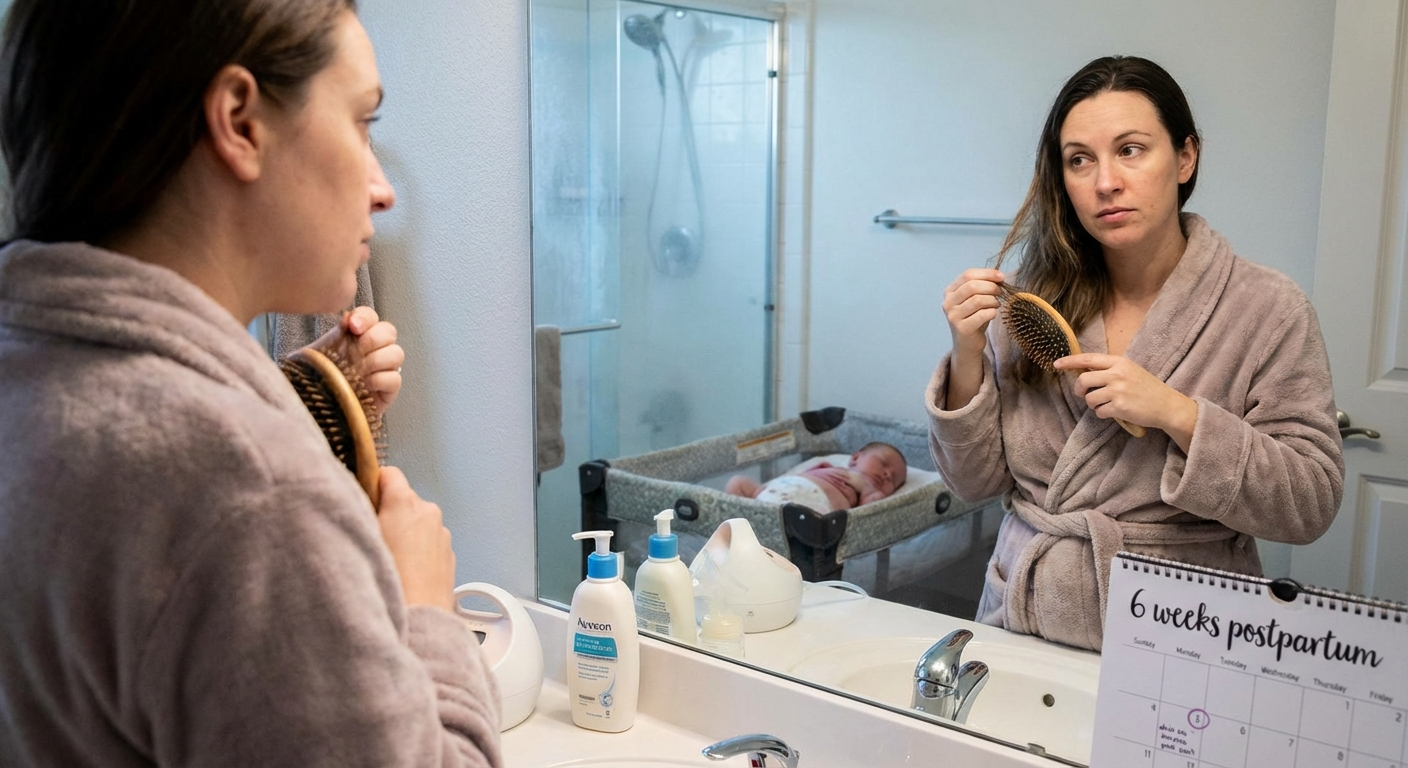
Table of Contents
- What Is Postpartum Hair Loss?
- The Hormonal Cause: What's Actually Happening
- When Does Postpartum Hair Loss Start?
- When Does Postpartum Hair Loss Stop?
- How Much Hair Loss Is Normal?
- Factors That Can Make Shedding Worse
- Best Products for Postpartum Hair Loss
- Evidence-Based Treatments That Actually Help
- What Not to Do During Postpartum Shedding
- When to See a Doctor
- Sources & Methodology
What Is Postpartum Hair Loss?
The medical term is telogen effluvium — a temporary, diffuse form of hair shedding triggered by a physiological shock to the body. Childbirth is one of the most common triggers. You are not going bald. Your hair follicles are not damaged. Your body is simply catching up on a backlog of shedding that pregnancy paused.
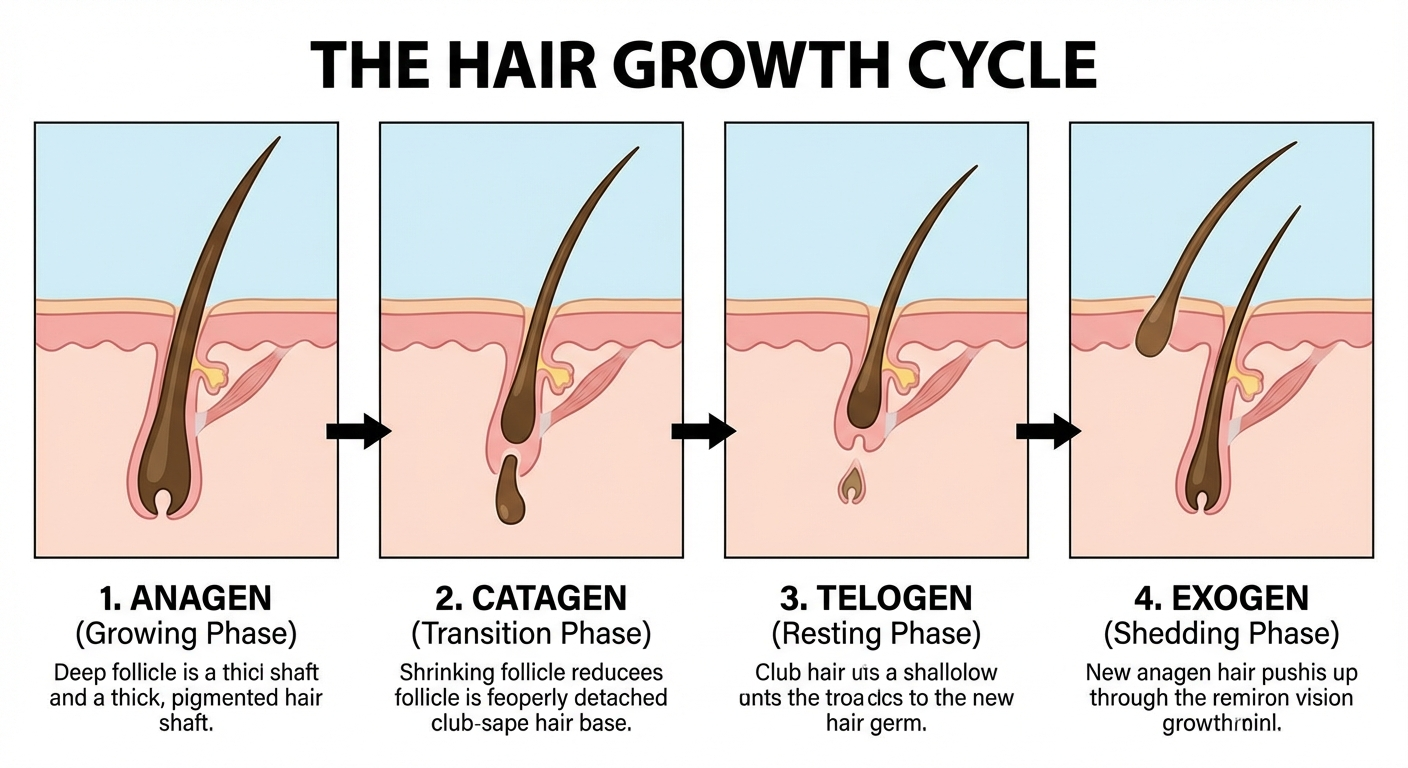
To understand why this happens, it helps to know how the hair growth cycle works:
- Anagen (growth phase): Lasts 2–6 years. About 85–90% of your scalp hairs are in this phase at any given time.
- Catagen (transition phase): Lasts 2–3 weeks. Hair growth slows and the follicle shrinks.
- Telogen (resting phase): Lasts 2–3 months. Hair stays in place but is not actively growing.
- Exogen (shedding phase): The resting hair falls out and is replaced by a new growth hair.
On any given day, you normally shed between 50 and 100 hairs. During pregnancy, elevated estrogen dramatically extends the anagen phase, meaning fewer hairs enter the shedding cycle. Your hair looks thicker, fuller, and more lustrous than usual. Then you give birth.
The Hormonal Cause: What's Actually Happening
After delivery, estrogen levels drop sharply — sometimes by as much as 90–95% within the first few days postpartum. This hormonal cliff sends a signal to the large cohort of hairs that have been held in the anagen phase throughout your pregnancy: it is time to shed.
All of those hairs enter the telogen phase simultaneously, and roughly 2–3 months later (the typical length of the telogen phase), they begin falling out in large quantities all at once. This is why postpartum hair loss feels so dramatic — it is not that more hairs than normal are dying, it is that an abnormally large number are shedding at the same time.
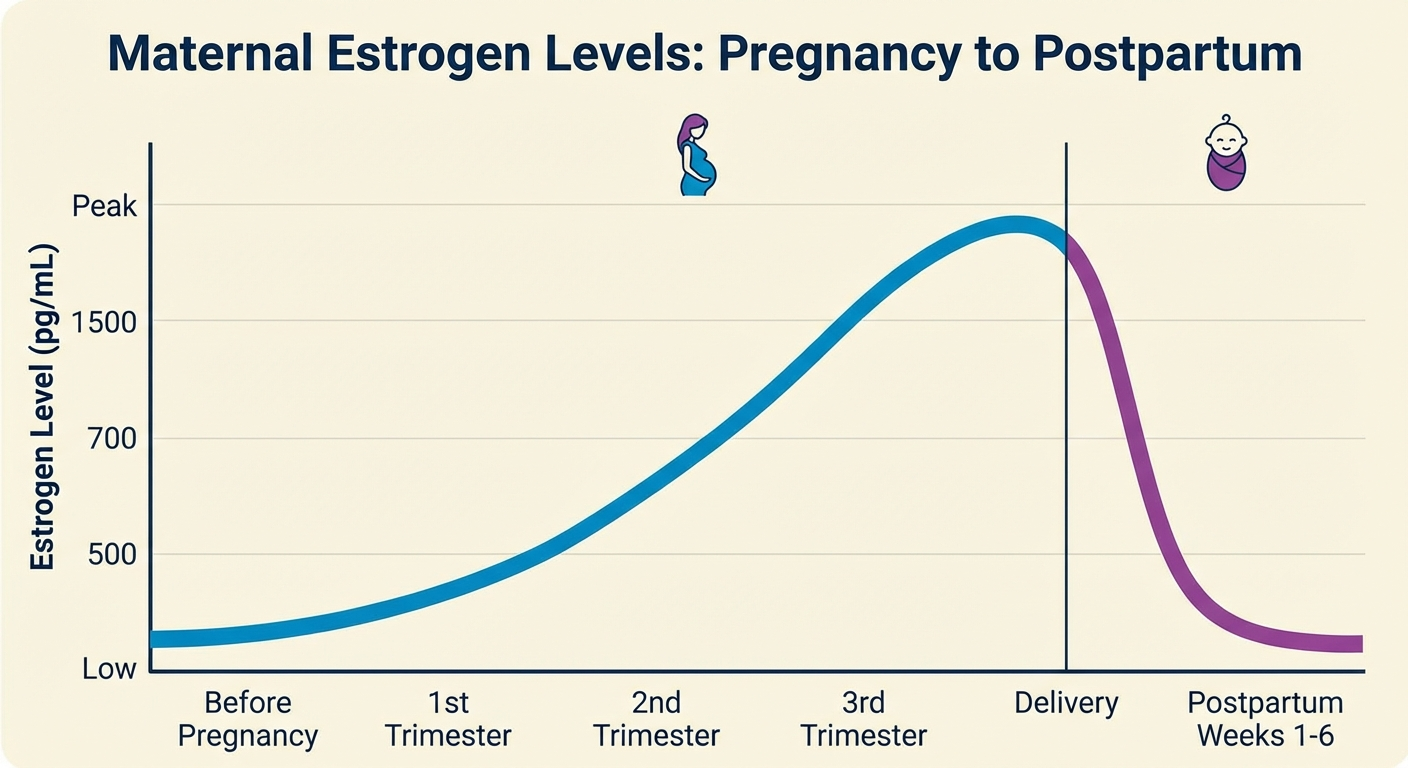
Progesterone follows a similar pattern. Both hormones play a role in keeping hair follicles in active growth mode, and their sudden withdrawal is the primary driver of postpartum telogen effluvium.
Prolactin, the hormone responsible for milk production in breastfeeding mothers, may also play a minor role. Some research suggests prolactin has mild effects on hair follicle activity, though the evidence is less conclusive than for estrogen.
The bottom line: postpartum hair loss is a hormonal phenomenon. It is not caused by washing your hair too much, wearing it in a ponytail, stress alone, or nutritional deficiencies (though these can compound the problem — more on that below).
When Does Postpartum Hair Loss Start?
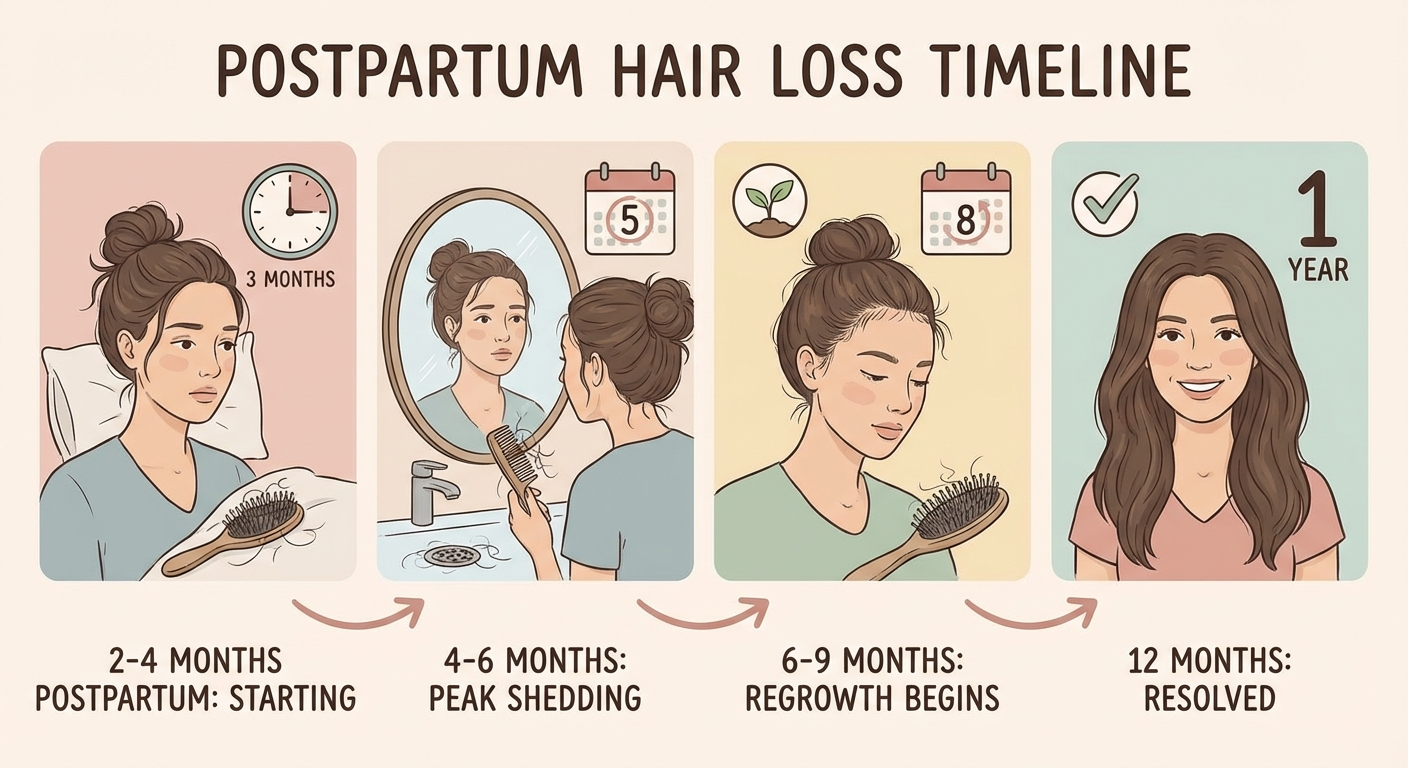
Most mothers first notice postpartum hair loss between 2 and 4 months after delivery. The most common timing is around the 3-month mark, when that large cohort of telogen-phase hairs reaches the end of their resting period and begins to shed.
You might first notice it in the shower — a thick clump of hair in the drain. Or you may find more hair than usual on your pillow, in your hairbrush, or tangled in your fingers when you run them through your hair. Some women notice it first as a receding hairline, particularly at the temples — a pattern sometimes called a "postpartum hairline."
Timeline snapshot:
| Postpartum Week | What to Expect |
|---|---|
| Weeks 1–6 | Minimal visible shedding; hormones still adjusting |
| Months 2–3 | Shedding begins; may feel sudden and alarming |
| Months 3–4 | Peak shedding for most women |
| Months 5–6 | Shedding begins to slow; short regrowth hairs appear |
| Months 6–12 | Continued regrowth; hair returns toward pre-pregnancy density |
| 12+ months | Full regrowth for most women |
When Does Postpartum Hair Loss Stop?
This is the question every new mother wants answered. For the majority of women, postpartum shedding begins to slow noticeably by 6 months postpartum and resolves almost entirely by the baby's first birthday.
The process is not a light switch. You will likely notice:
- Peak shedding (months 3–4): The worst of it. Handfuls in the shower.
- Gradual deceleration (months 4–6): Still shedding more than normal, but less than at peak.
- Regrowth phase (months 5–9): Short, sometimes frizzy "baby hairs" appear along the hairline and throughout the scalp.
- Texture transition (months 9–12): Regrowth hairs reach a visible length; overall hair density noticeably improves.
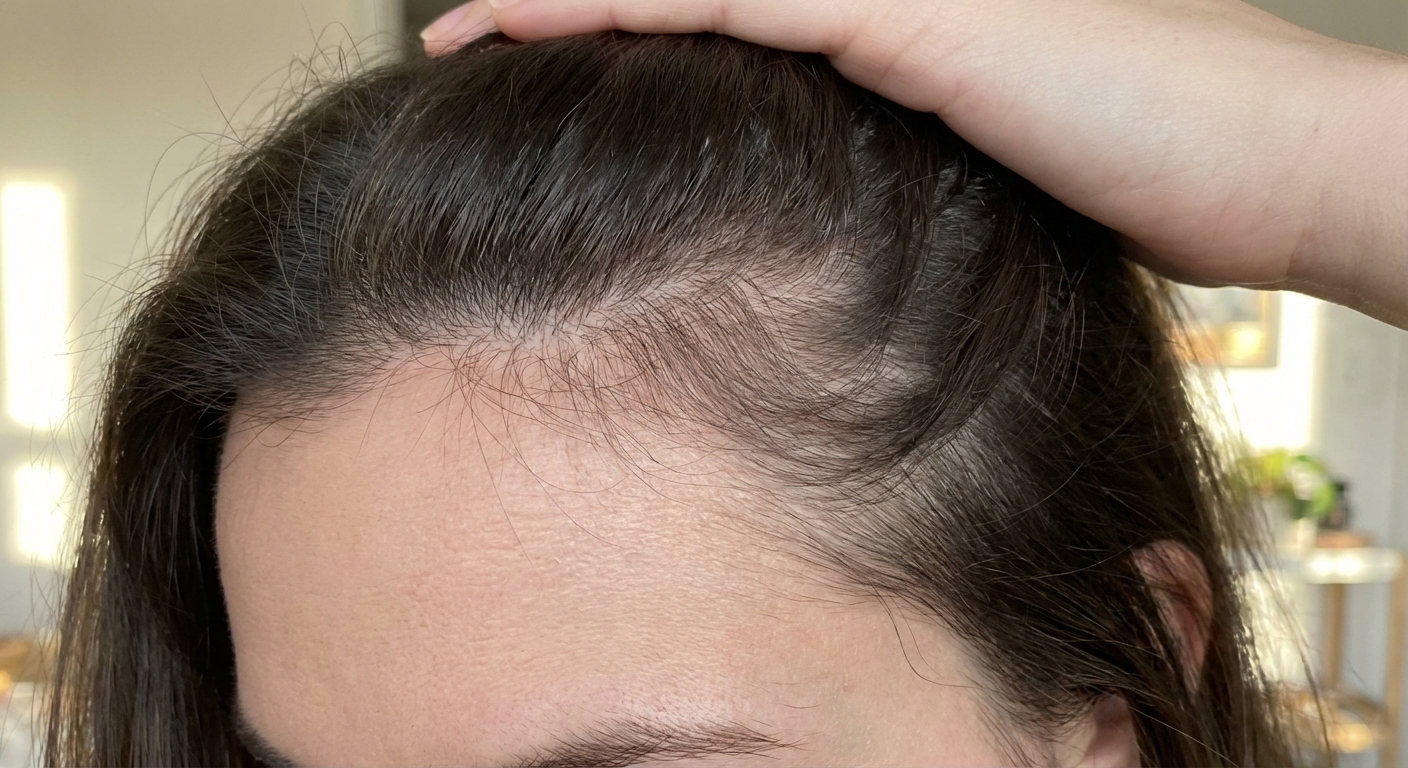
A small number of women find that their hair does not return to its pre-pregnancy density within 12 months. If that is your experience, it is worth speaking to your doctor or a dermatologist to rule out contributing factors such as thyroid dysfunction, iron-deficiency anemia, or alopecia areata — conditions that can co-occur with the postpartum period.
How Much Hair Loss Is Normal?
Normal daily hair shedding is 50–100 hairs. During peak postpartum shedding, some women lose 200–400 hairs per day or more. That sounds terrifying, but keep this in perspective: the average scalp has approximately 100,000 hair follicles. Even at the high end of postpartum shedding, you are losing less than 0.5% of your total hair per day.
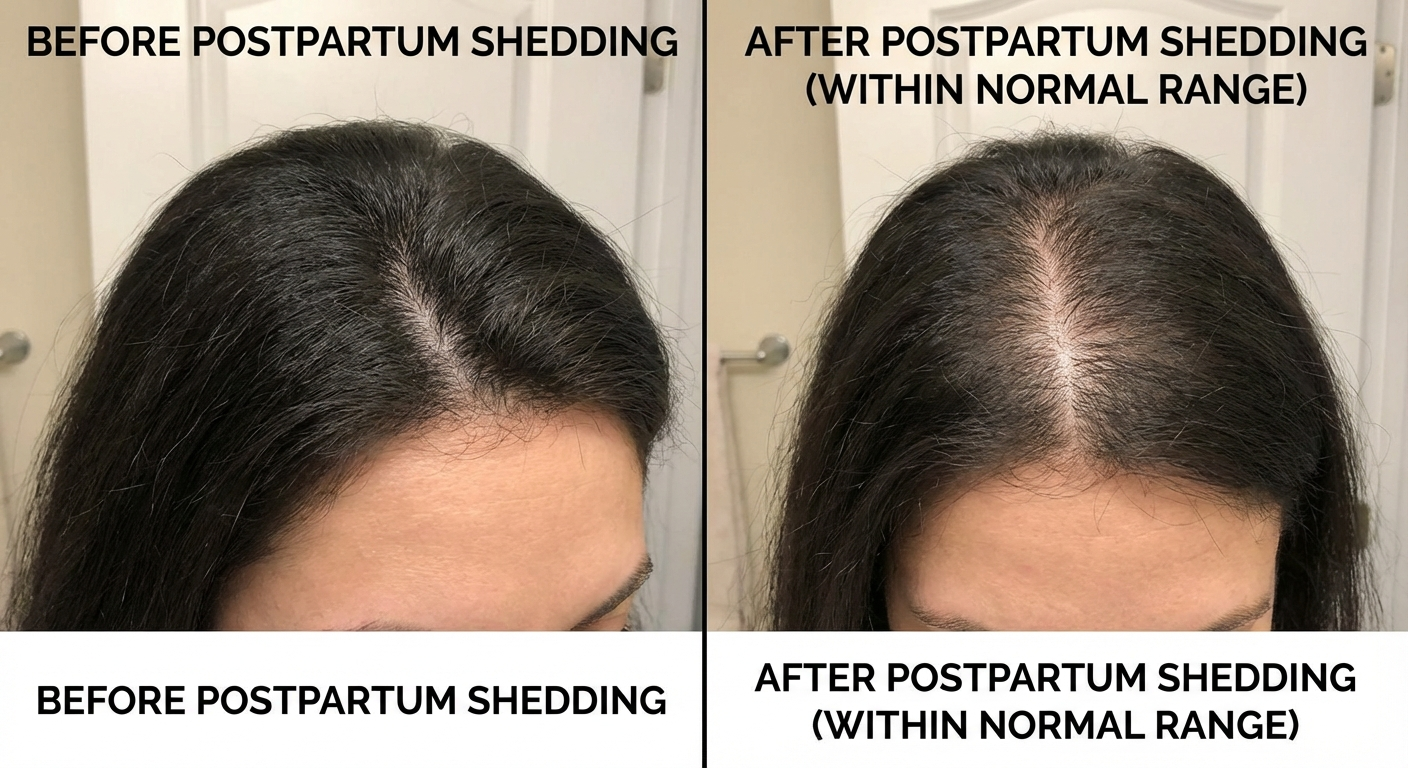
What distinguishes normal postpartum shedding from a condition requiring treatment:
- Normal: Diffuse thinning across the entire scalp, more visible when hair is wet or pulled back
- Normal: Shedding that peaks and then gradually improves
- Normal: Short regrowth hairs appearing within 3–6 months
- See a doctor: Patchy bald spots (rather than diffuse thinning)
- See a doctor: Shedding that shows no improvement after 6 months
- See a doctor: Shedding accompanied by fatigue, cold intolerance, or unexplained weight change (possible thyroid issue)
Factors That Can Make Shedding Worse
Postpartum telogen effluvium is primarily hormonal, but several additional factors can intensify or prolong the shedding phase:
Nutritional Deficiencies
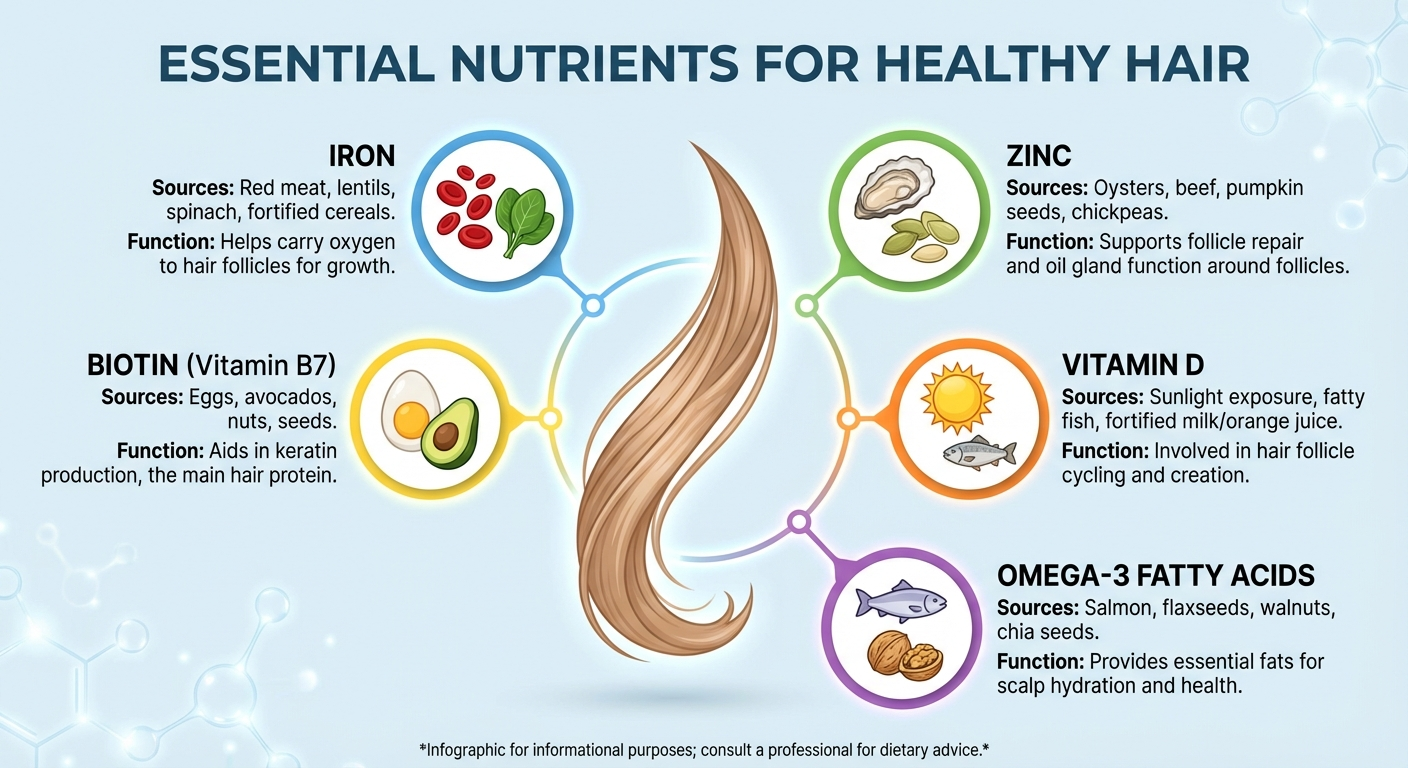
Pregnancy and breastfeeding are nutritionally demanding. If iron, zinc, vitamin D, or biotin levels drop significantly, hair follicles — which are among the most metabolically active structures in the body — are among the first to suffer.
Iron deficiency is particularly common postpartum, especially after a delivery with significant blood loss. Low ferritin (stored iron) is one of the most common nutritional drivers of prolonged hair shedding in women.
Thyroid Dysfunction
Postpartum thyroiditis — an autoimmune inflammation of the thyroid gland — affects approximately 5–10% of women in the year after delivery. Both hypothyroidism and hyperthyroidism can cause significant hair shedding. If your hair loss is accompanied by fatigue, weight changes, or mood disturbances, ask your doctor for a TSH test.
Stress and Sleep Deprivation
Chronic stress elevates cortisol, which can push hair follicles into the telogen phase. New parenthood is notoriously stressful. Sleep deprivation compounds this. While you cannot always eliminate these factors, stress management practices (even brief ones) may help modulate their impact on hair cycling.
Crash Dieting or Undereating
Some new mothers focus intensely on losing pregnancy weight, which can lead to caloric restriction. Dramatic caloric deficits are a known trigger for telogen effluvium. Adequate protein intake (at least 50–60g daily for non-breastfeeding women; 65–70g for breastfeeding women) is particularly important for hair follicle function.
Best Products for Postpartum Hair Loss
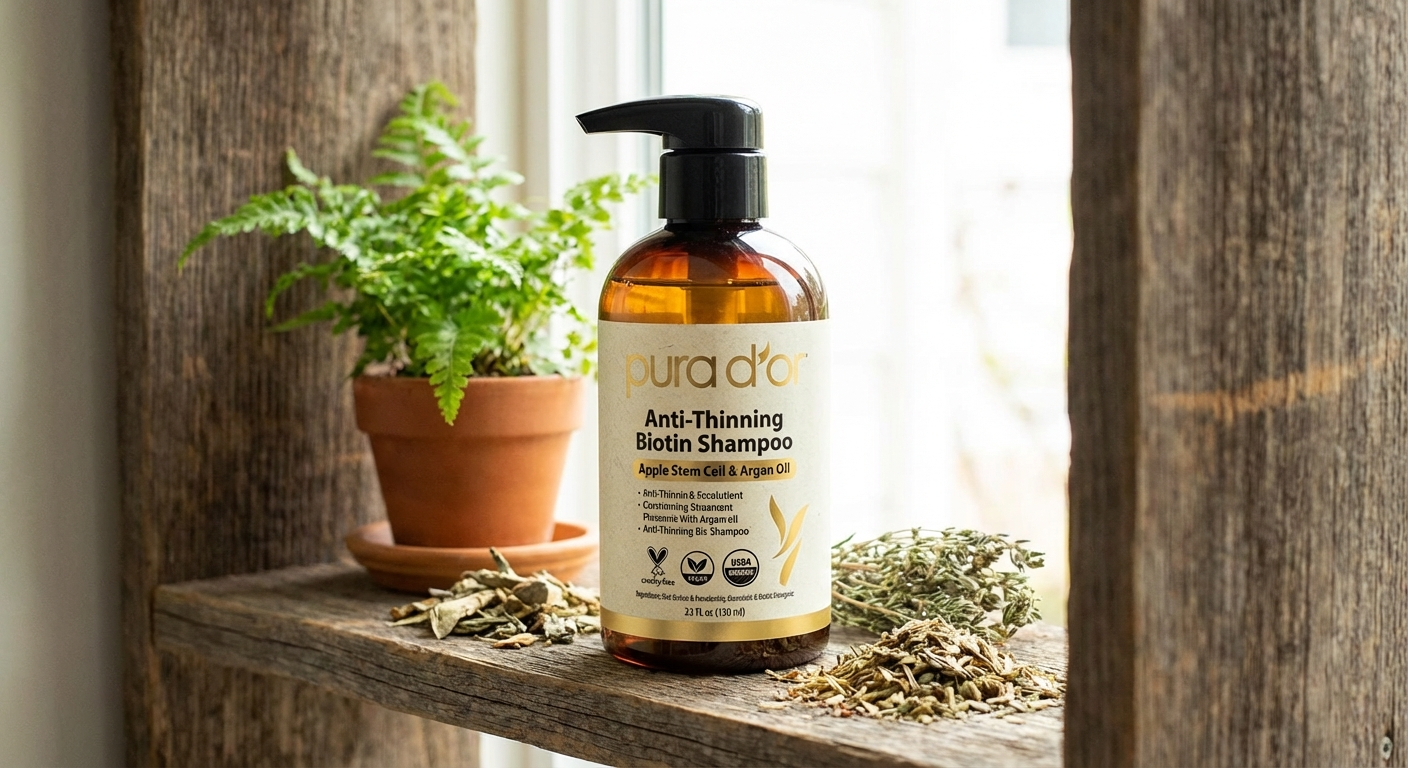
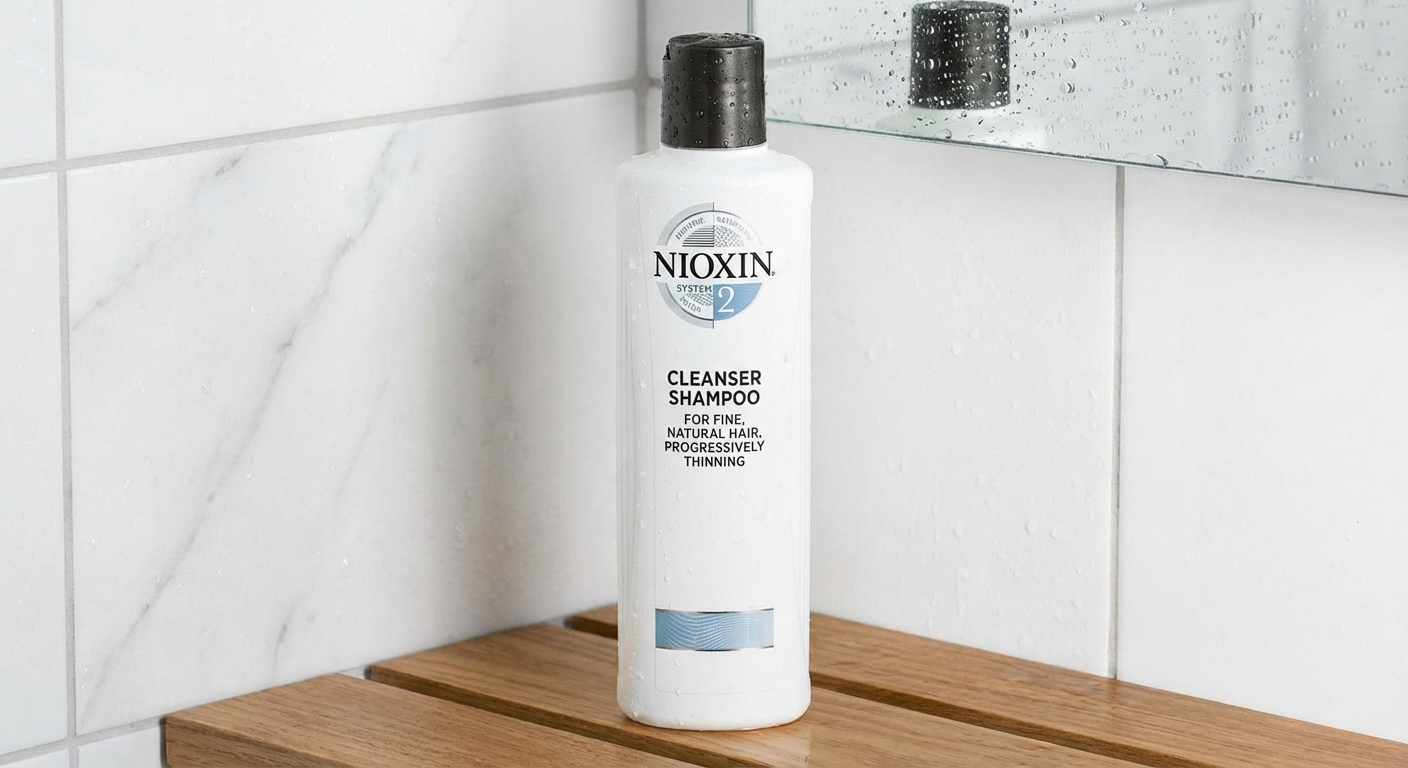
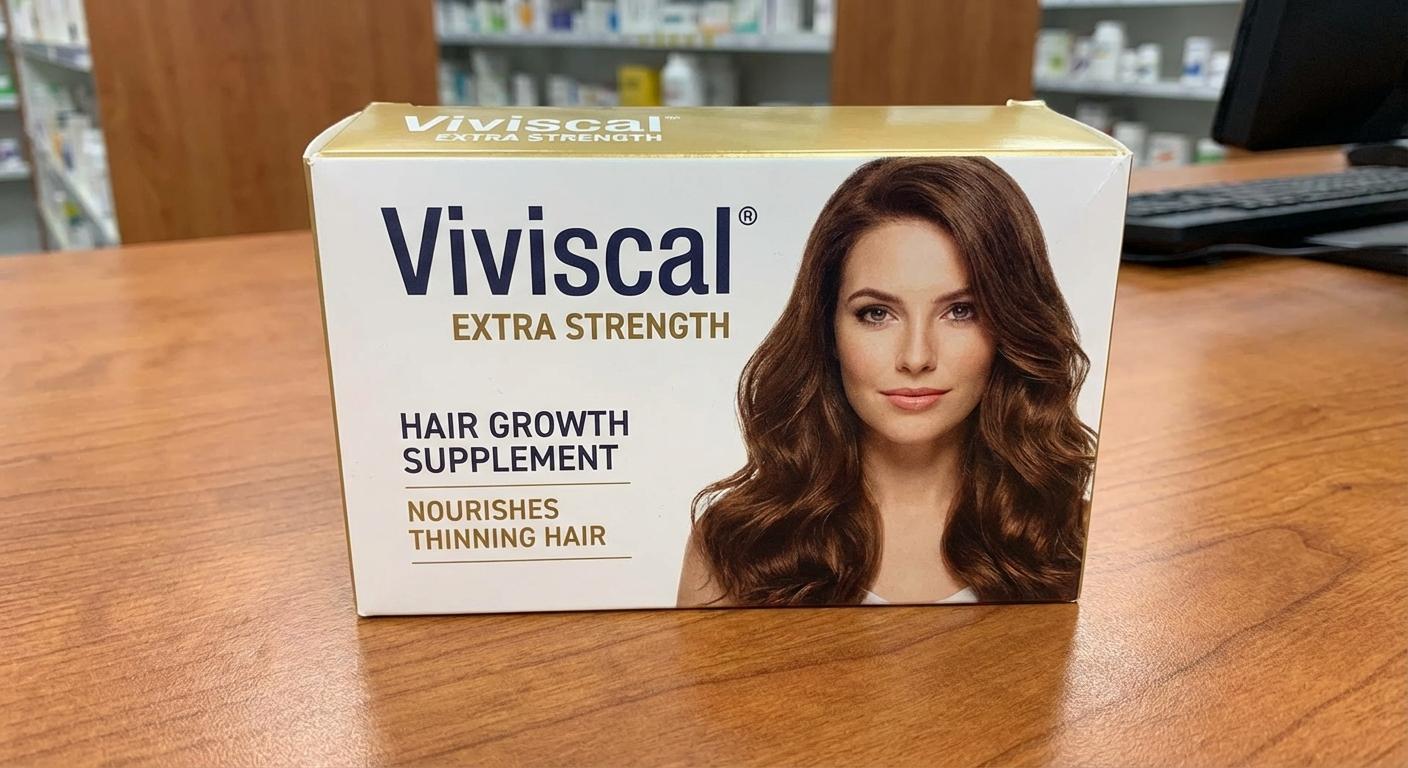
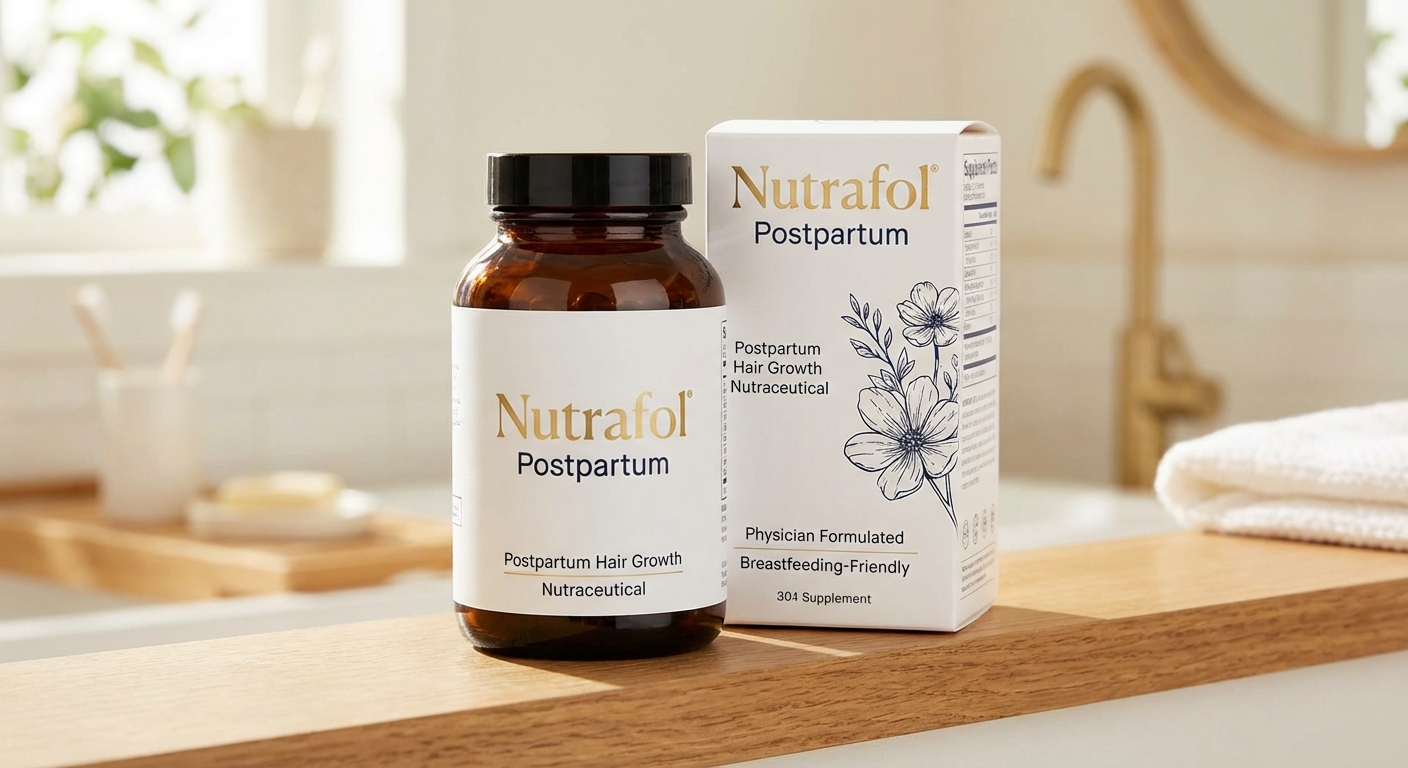
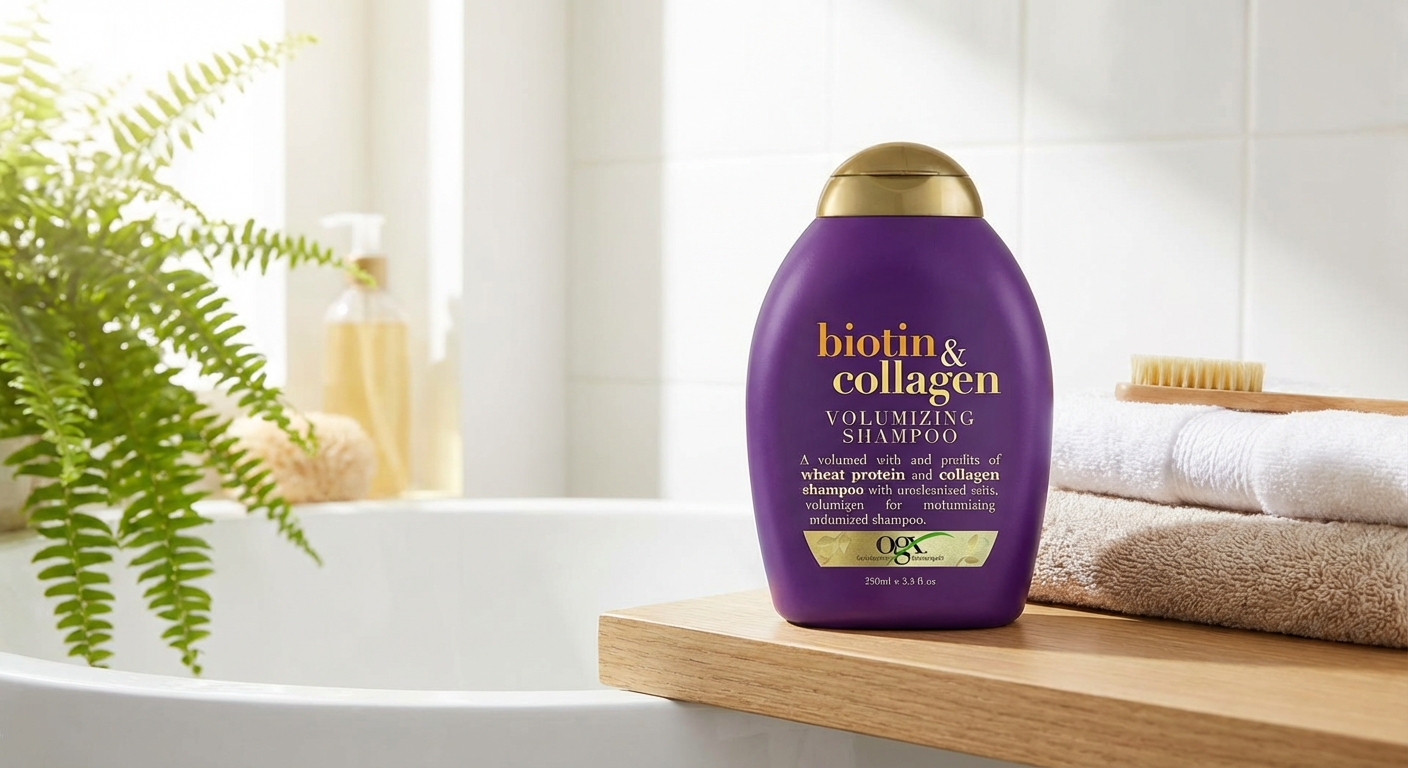
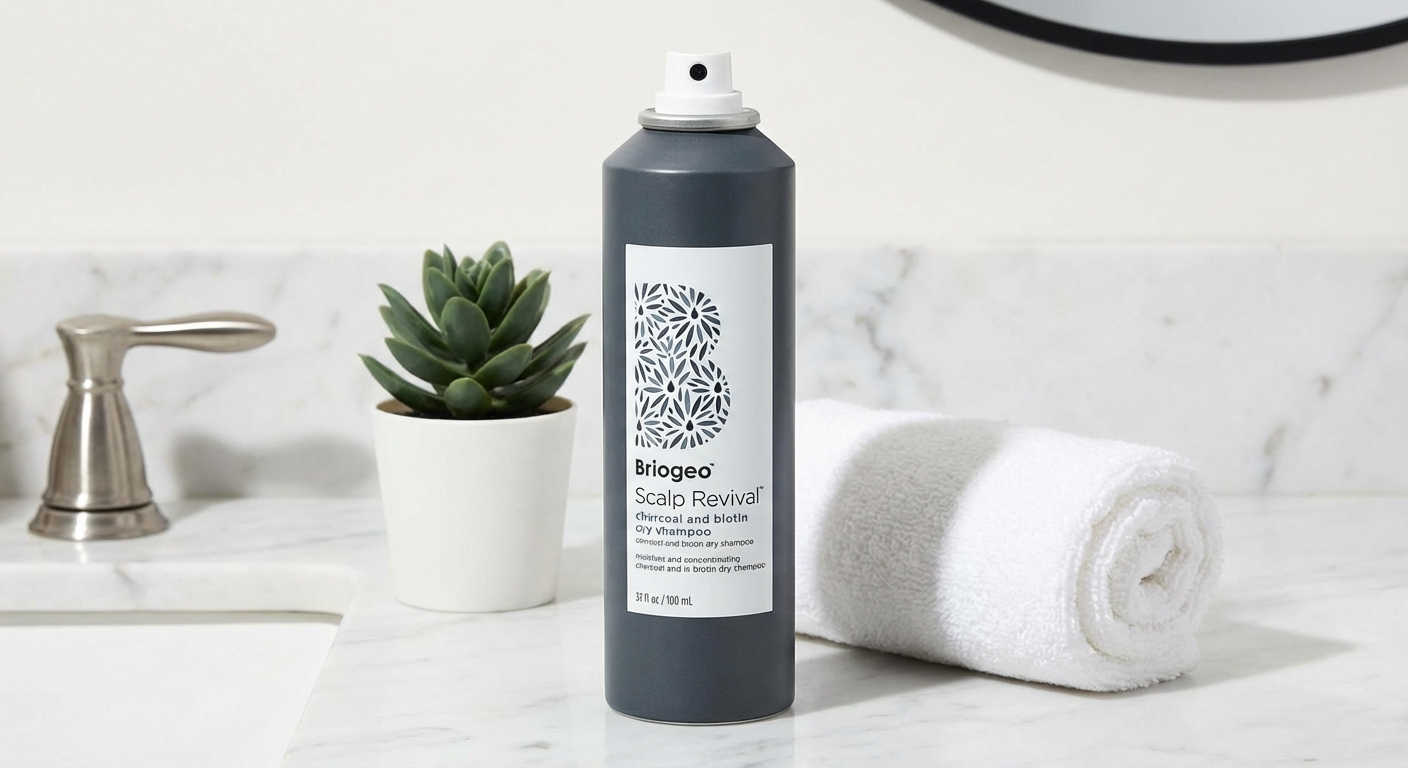
The right products will not stop the shedding phase — that is governed by hormones, not shampoo — but they can support scalp health, minimize breakage, and create the best possible environment for regrowth. Here are the top-rated options for postpartum hair support:
| Product | Image | Buy | Price | Key Feature |
|---|---|---|---|---|
| Pura D'Or Anti-Thinning Biotin Shampoo |
Evidence-Based Treatments That Actually Help
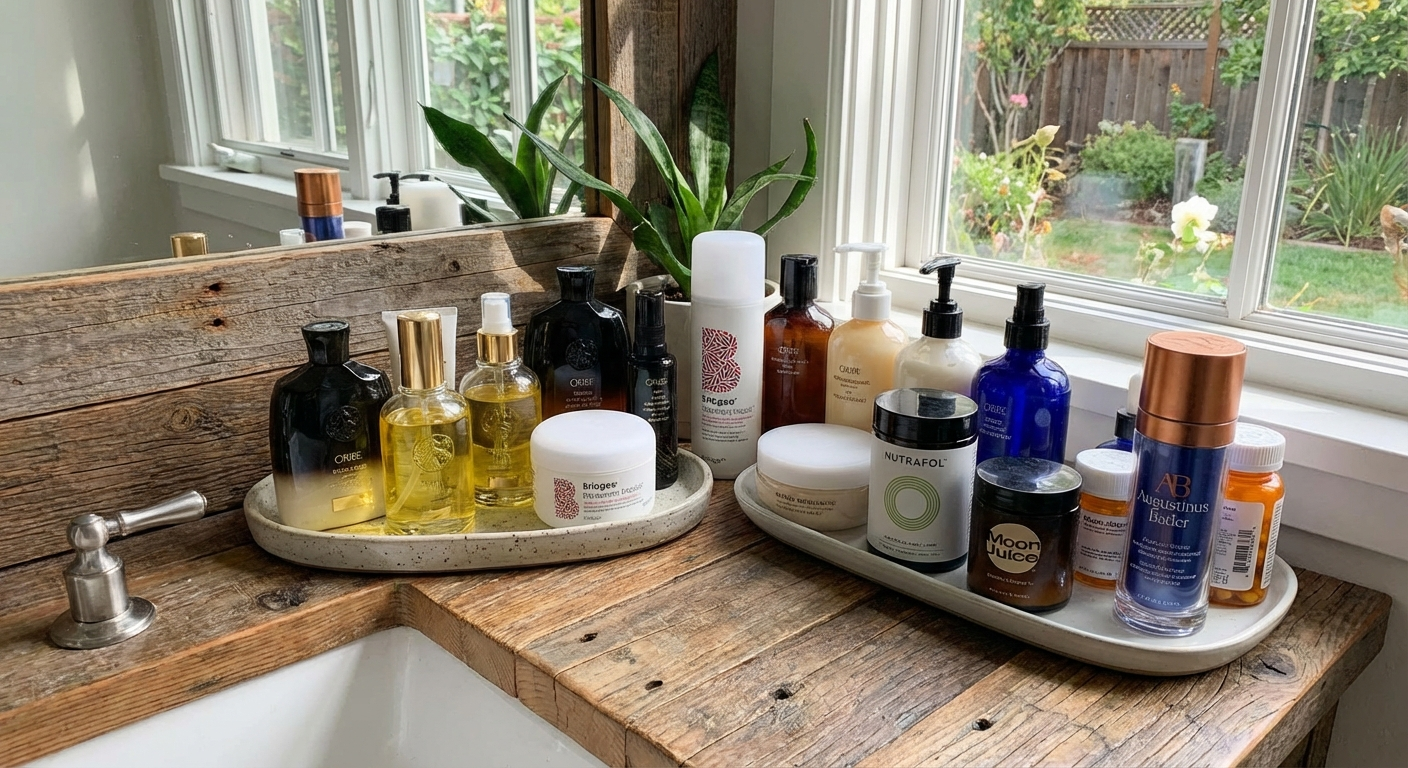
Here is what the evidence actually supports for postpartum hair recovery:
1. Continue Your Prenatal Vitamins
Your prenatal vitamin contains iron, folate, zinc, and vitamin D — nutrients that support hair follicle function. Many doctors recommend continuing prenatal vitamins for at least 6 months postpartum, particularly if breastfeeding. This is one of the simplest and most evidence-supported steps you can take.
2. Optimize Iron Levels
If your postpartum shedding seems unusually severe or prolonged, ask your doctor to check your ferritin level (not just hemoglobin — ferritin is the more sensitive marker for hair-related iron deficiency). Many dermatologists recommend a ferritin level above 70 ng/mL to support optimal hair growth.
3. Minoxidil (2% Topical)
Minoxidil is the only FDA-approved topical treatment for hair loss in women. The 2% formulation is typically recommended for women (the 5% can cause unwanted facial hair growth). Important: Minoxidil is not recommended during breastfeeding. Consult your doctor before starting.
Minoxidil works by prolonging the anagen (growth) phase and may help accelerate regrowth, but it does not address the underlying hormonal cause of postpartum telogen effluvium. Most dermatologists would not recommend starting it unless shedding continues beyond 6 months.
4. Scalp Massage
A 2016 study published in ePlasty found that standardized scalp massage (4 minutes daily for 24 weeks) was associated with increased hair thickness. The mechanism is thought to involve mechanical stimulation of dermal papilla cells and improved blood flow to follicles. It is low-risk, free, and compatible with breastfeeding.
5. Biotin-Containing Products
Biotin (vitamin B7) deficiency is associated with hair loss, and while frank deficiency is uncommon, biotin supplementation has shown benefit in studies of women with documented thinning. Biotin is water-soluble and generally safe, including during breastfeeding (though confirm with your doctor). Note that high-dose biotin can interfere with certain lab tests including thyroid and troponin assays — inform your doctor if you are supplementing.
6. Gentle Hair Care Practices
While gentle hair care will not stop postpartum shedding, it minimizes additional breakage during a vulnerable period. Practical steps include:
- Use a wide-tooth comb on wet hair, not a brush
- Avoid tight hairstyles that pull at the hairline (ponytails, braids) during peak shedding
- Use a silk or satin pillowcase to reduce friction breakage
- Minimize heat styling during the shedding phase
- Use a nourishing conditioner from mid-lengths to ends
What Not to Do During Postpartum Shedding
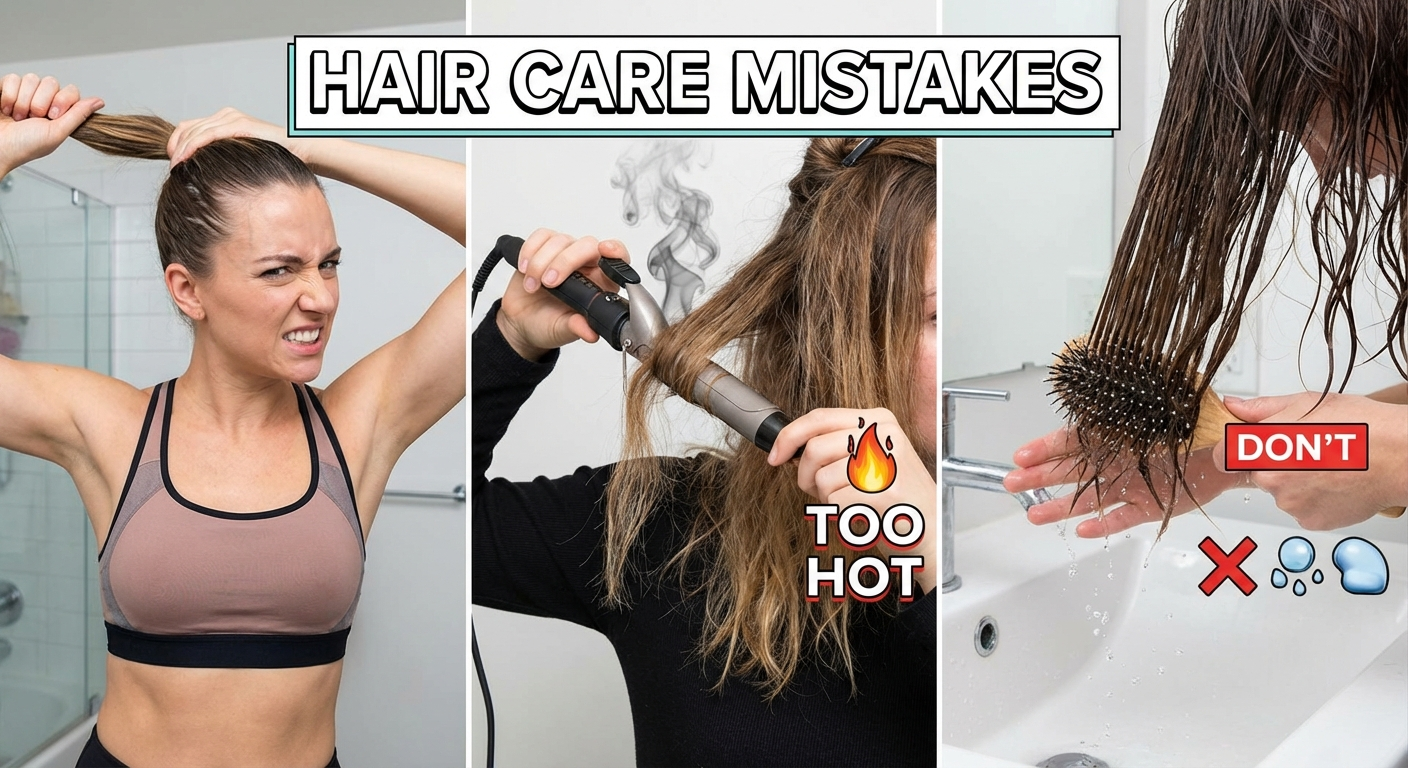
There is a lot of misinformation circulating about postpartum hair loss. Here is what to avoid:
Do not panic. Stress elevates cortisol, which can worsen telogen effluvium. Postpartum hair loss is temporary and almost universally resolves on its own.
Do not cut your calories dramatically. A significant caloric deficit is a documented trigger for telogen effluvium. Focus on nutrient-dense eating, not restriction.
Do not stop washing your hair. Some mothers reduce washing frequency thinking it will "save" their hair. It does not. The hairs you see in the drain were already in the telogen phase — they would have shed regardless. Washing your hair normally (2–3 times per week) is fine.
Do not fall for "miracle growth" products. Many products marketed to postpartum mothers make claims unsupported by clinical evidence. Be skeptical of anything promising to "stop" postpartum hair loss — the hormonal mechanism cannot be stopped by a shampoo.
Do not skip your postpartum check-up. If shedding is severe or prolonged, your check-up is an opportunity to test for thyroid dysfunction and iron deficiency — the two most common and treatable contributors beyond normal hormonal shedding.
When to See a Doctor
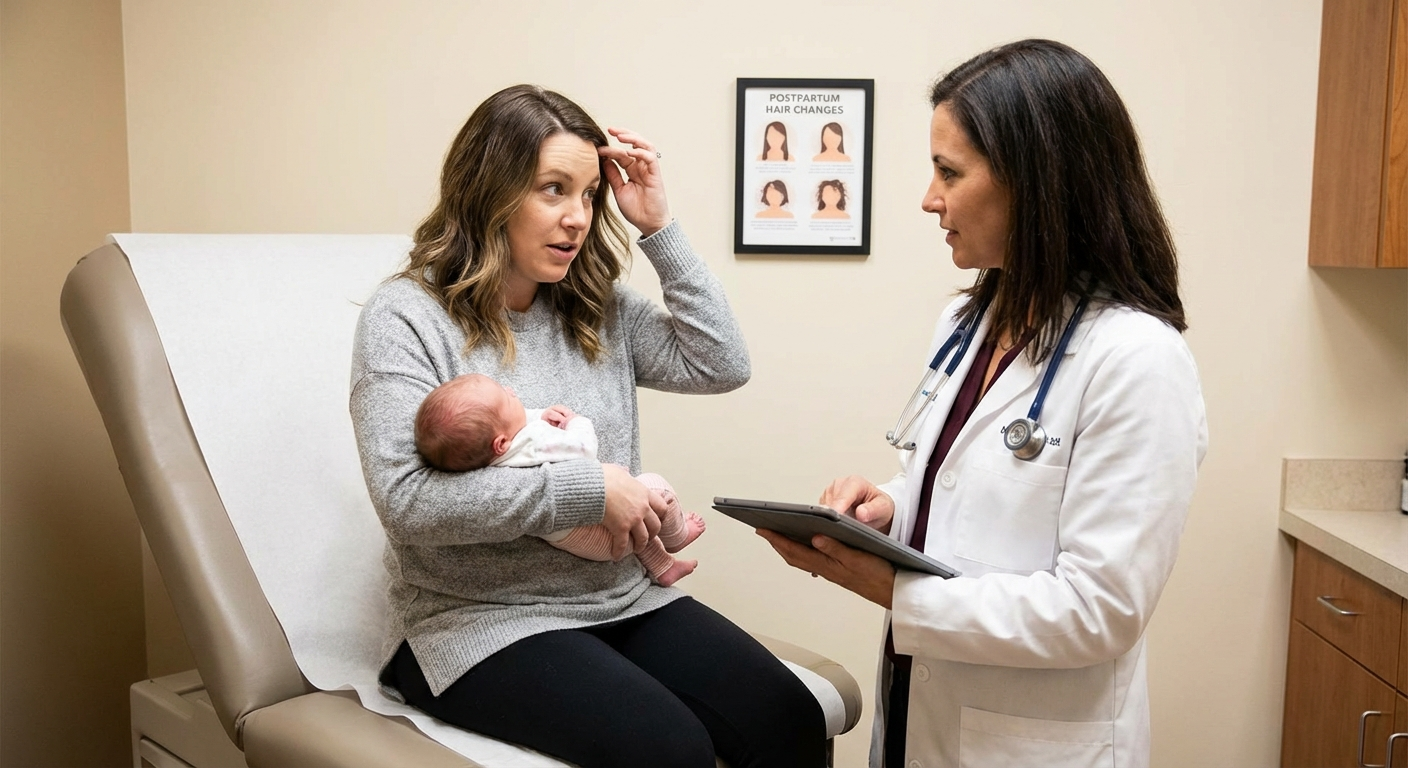
Most cases of postpartum hair loss resolve without medical intervention. However, consult your OB/GYN, midwife, or a dermatologist if:
- Shedding shows no improvement after 6 months postpartum
- Shedding continues beyond 12 months
- You notice patchy bald spots rather than diffuse thinning
- Hair loss is accompanied by fatigue, weight changes, or cold intolerance (possible thyroid issue)
- You have a personal or family history of androgenetic alopecia (hereditary pattern hair loss)
- Your shedding began suddenly and severely before 6 weeks postpartum (less likely to be typical telogen effluvium)
Your doctor can order a blood panel that includes ferritin, TSH, free T4, a complete blood count, and vitamin D levels — all of which can reveal treatable underlying contributors.
Supporting Your Whole Postpartum Recovery
Postpartum hair loss is just one piece of the recovery puzzle. If you are navigating postpartum recovery more broadly, you may find these articles helpful:
- Postpartum Nutrition: What to Eat to Heal Faster After Birth
- The Best Postpartum Supplements for New Mothers
- Postpartum Fatigue: Why You're Exhausted and What Actually Helps
And if poor sleep is making everything harder right now (we know it is), our friends at Sleep Better Faster have a practical 7-day sleep schedule reset guide that many postpartum parents have found genuinely useful.
Sources & Methodology
By Postpartum Spot Editorial Team
-
Grover C, Khurana A. "Telogen effluvium." Indian Journal of Dermatology, Venereology and Leprology, 2013. https://ijdvl.com/article.asp?issn=0378-6323;year=2013;volume=79;issue=5;spage=591;epage=603
-
American Academy of Dermatology Association. "Hair loss in new moms." https://www.aad.org/public/diseases/hair-loss/insider/new-moms
-
Koyama T, Kobayashi K, Hama T, Murakami K, Ogawa R. "Standardized Scalp Massage Results in Increased Hair Thickness by Inducing Stretching Forces to Dermal Papilla Cells in the Subcutaneous Tissue." ePlasty, 2016. https://www.ncbi.nlm.nih.gov/pmc/articles/PMC4740347/
-
Rasheed H, Mahgoub D, Hegazy R, et al. "Serum ferritin and vitamin D in female hair loss: do they play a role?" Skin Pharmacology and Physiology, 2013. https://www.karger.com/Article/Abstract/346698
-
Rad LM, Irani S, Moghaddam AD, et al. "Postpartum thyroiditis: review of thyroid function and pregnancy outcomes." Journal of Reproductive Medicine, 2012. Referenced via National Library of Medicine: https://pubmed.ncbi.nlm.nih.gov/
Disclaimer: This article is for informational purposes only and does not constitute medical advice. Always consult your healthcare provider before starting any new supplement or treatment, especially during the postpartum period or while breastfeeding.